Show Key Points
The Palar River, which flows in the South Indian states, is famously called the 'Milk River of India'.
The river flows for 34 km through major Indian states, including Karnataka, Andhra Pradesh, and Tamil Nadu. In the end, it empties into the Bay of Bengal, south of Chennai.
However, can you guess why this river is called the Milk River in India? Is it because it has milky water, or is there some other reason? Also, this hidden river (guptagamini) isn't visible to the naked eye.
There is so much to know about this hidden River of Milk that you will be amazed by the end of this article. So keep reading to know more about it.
ALSO READ| Which River is Known as The English Channel of India?
Which river is known as the Milk River of India?

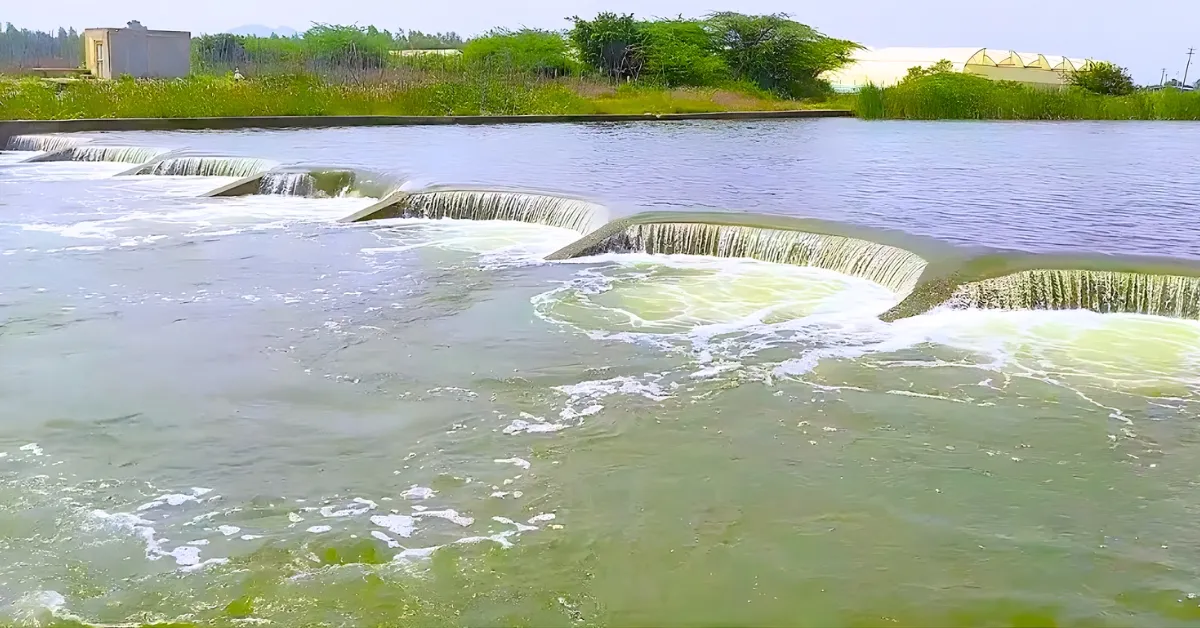
Source: CivicsDaily
The Palar River is commonly known as the Milk River of India. Its name comes from the Tamil words 'paal' (milk) and 'aaru' (river).
Origin and End
The river starts in the Nandi Hills of the Chikkaballapura district in Karnataka. It travels about 348 kilometres before it empties into the Bay of Bengal at Vayalur, near Kalpakkam in Tamil Nadu.
The Path and States
The Palar River flows through three major states in South India:
- Karnataka: It begins here and flows for about 93 km.
- Andhra Pradesh: It passes through this state for a short distance of about 33 km.
- Tamil Nadu: It covers its longest stretch here, about 222 km, passing through districts like Vellore, Ranipet, and Kanchipuram.
7 Lesser-Known Facts About the Palar River
- For much of its course, the river flows underground through deep sand layers rather than on the surface.
- It was the primary water source for the Kolar Gold Fields, one of the world's deepest gold-mining regions.
- Scientific analysis shows that the riverbed contains "chemically immature" sediments, such as arkose. This indicates the rocks are eroded physically rather than through chemical breakdown, which is rare for Peninsular rivers.
- Some geologists believe the Palar may have been an ancient path once followed by the Cauvery River. Tectonic shifts thousands of years ago likely forced the rivers into their current separate paths.
- Unlike most long rivers, the Palar has very few significant tributaries. Most of its water volume comes from rainfall in its specific catchment area during the monsoon.
- Because of its sandy bed, the river acts as a massive natural sponge. It efficiently recharges groundwater levels for several kilometres along both banks.
- The river is governed by a water-sharing agreement from 1892. This historical document remains a critical legal piece for managing water between the three states today.
Note: While the Palar River is known as the Milk River of India, the Doodhganga River (a tributary of the Krishna River) also shares a name with a similar meaning. Both are significant for the regions they nourish.
IN CASE YOU'RE INTERESTED| Which River is known as the Black River of India?
Why is the Palar River known as the Milk River of India?
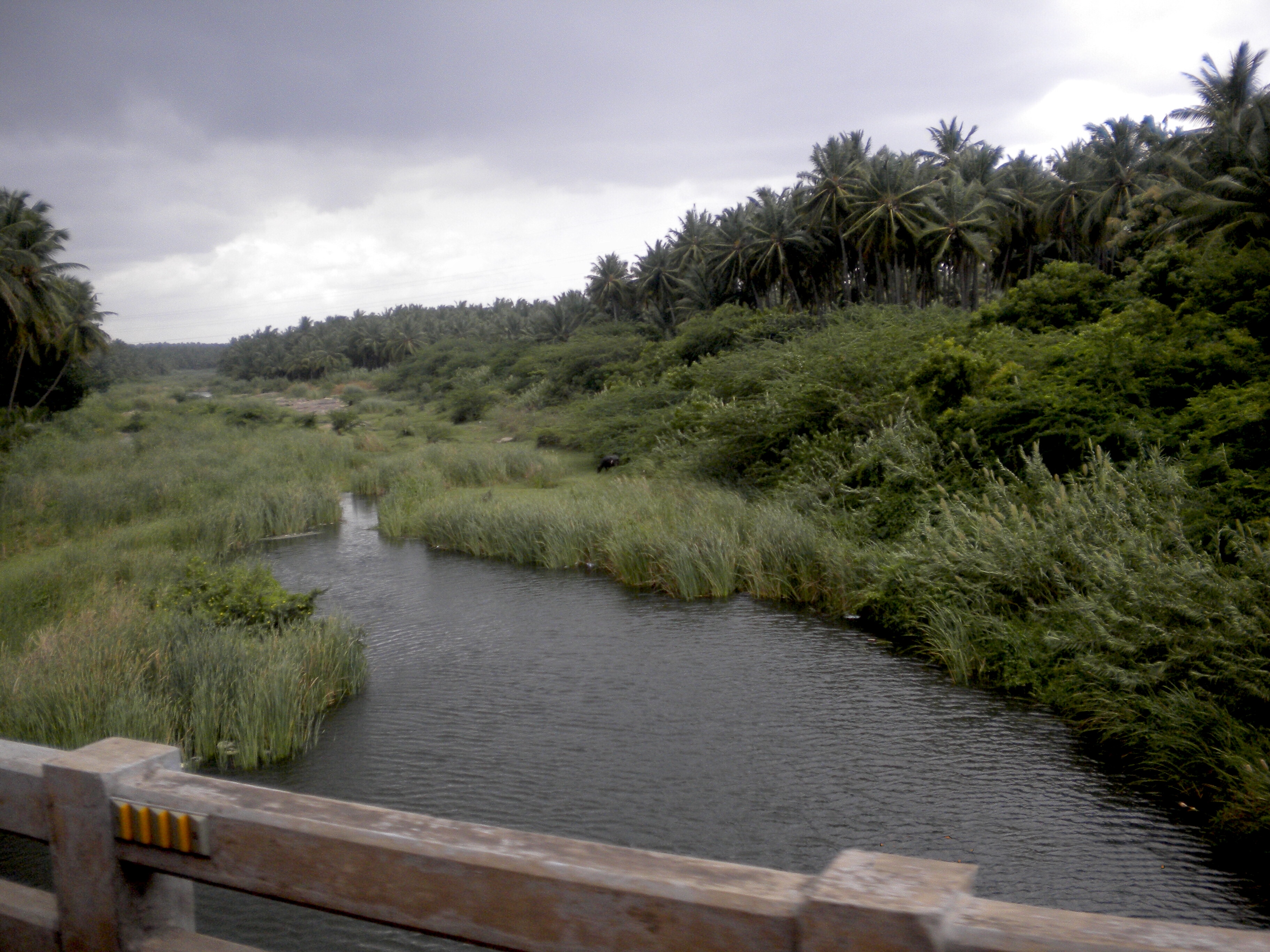
Source: Wikimedia Commons
The name "Palar" is not just a poetic title. It comes from the river’s unique physical and geological features. The word is formed from the Tamil words 'Paal', meaning 'milk', and 'Aaru', meaning 'river'.
This name shows how the river looks, acts, and connects with the land. Here are the reasons why it is called the Milk River of India:
1. The White Quartz Sediment
The main scientific reason for the river’s name comes from its riverbed. The Palar passes through areas with abundant quartz and feldspar.
As these rocks break down, they form fine, pale, and often white sand. When the river carries this light sand during some seasons, or when sunlight hits the dry, white riverbed, the river looks milky.
2. The Underground "Invisible" Flow
Most rivers flow on the surface, but the Palar is known to run underground for much of its course. Its water moves through deep layers of sand instead of above them.
When water rises through natural springs or during the monsoon, it seems to emerge from the white sand, often looking frothy and white, like milk being poured.
3. High Calcium and Mineral Content
The river basin runs through areas in Karnataka and Tamil Nadu that are rich in lime and minerals. When the water flows over these minerals, it can pick up more dissolved solids.
In the past, people described the water as having a unique "sweet" taste and being very clear, often comparing it to pure milk.
4. Life-Giving "Nurturer"
The river is called "Milk" because it is a main source of support for the region. Like milk, which is the first food for life, the Palar serves as the "feeding mother" for the dry areas of Vellore and Kanchipuram.It supplies the groundwater needed for farming and drinking in a place where water is often scarce.
WHAT'S NEXT| Which River is Known as the Lifeline of South India?





Comments
All Comments (0)
Join the conversation