Delhi Satya Niketan Building Collapse: 10 Safety Checks Every Student Must Do Before Moving Into a PG


Delhi Satya Niketan building collapse raises PG safety concerns. Check 10 important safety checks students must complete before moving into a paying guest accommodation.
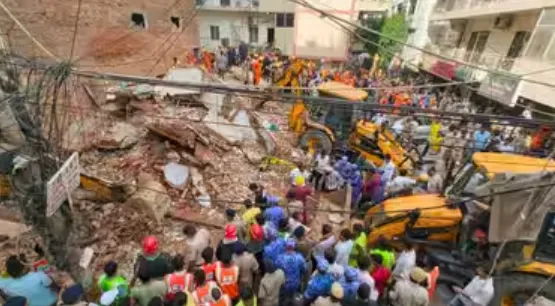
The collapse of a five-storey building being used as a paying guest (PG) accommodation in Delhi's Satya Niketan has raised serious questions about the safety of student housing in the national capital. The building, located near Delhi University's South Campus, collapsed on September 6, with the incident leaving several people dead and injured. Rescue operations continued as authorities searched the debris.
Preliminary reports have highlighted concerns including ongoing repair work, a waterlogged basement and alleged construction-related violations. Reports have also raised questions about emergency exits and other basic safety arrangements in student accommodations. For students moving to Delhi, or any other city, choosing a PG is not just about rent, location and facilities. Building safety should be one of the first things to check before signing an agreement or paying a deposit.
Below are 10 important safety checks students should complete before moving into a PG.
To know the Official MCC Delhi Act (DMC Act): Click Here
1. Check the Building's Structural Condition
Before finalising a PG, students should carefully look at the overall condition of the building. Check for large cracks in walls, ceilings, columns, beams or staircases. Small cosmetic cracks may not necessarily indicate a structural problem, but significant or expanding cracks, visibly damaged columns or sagging ceilings should be treated as warning signs.
If you notice serious structural concerns, ask the owner for clarification and consider getting the property assessed by a qualified professional before moving in.
2. Ask About Building Approval and Documents
Students should ask the property owner or PG operator whether the building has the necessary approvals and permissions. If the accommodation has multiple floors, extensions or recently constructed portions, ask whether the construction is authorised.
The Satya Niketan incident has brought attention to allegations of unauthorised construction and the absence of a sanctioned building plan at the collapsed property. Students should not hesitate to ask for relevant documentation, especially when the property appears to have undergone major alterations.
3. Check for an Emergency Exit
An emergency exit can become critical during a fire, earthquake, building damage or other emergency.
Before moving in, identify:
- The main entrance and exit
- Emergency exits, if available
- Staircases
- Alternative routes out of the building
- Whether exit doors can be opened easily
- Whether passages are blocked by furniture, boxes or other items
Reports following the Satya Niketan collapse have highlighted concerns about inadequate emergency exits. If a building has only one difficult-to-access exit, treat it as a serious safety concern.
4. Inspect the Staircase and Corridors
Walk through the entire route from your room to the building's exit. Also check whether corridors and passageways remain accessible at all times. Recent reporting on nearby PG properties in the Satya Niketan area found concerns including narrow access passages and restricted entry and exit routes.
Check whether the staircase is:
- Wide enough to use safely
- Properly lit
- Free from clutter
- In good condition
- Equipped with a secure railing
5. Check Fire Safety Arrangements
Students should check whether the PG has basic fire-safety equipment and whether it is accessible. Do not simply assume that a fire extinguisher means the building is safe. Check whether it is accessible and appears properly maintained.
Look for:
- Fire extinguishers
- Smoke alarms
- Fire alarms
- Clearly marked exits
- Accessible staircases
- Emergency lighting
Also Check: Satya Niketan Building Collapse: Support Mobilised for Trapped Students and Affected Families
6. Look for Waterlogging and Dampness
Water accumulation can be a major warning sign, particularly in basements and lower floors. In the Satya Niketan case, authorities cited water accumulation in the basement alongside ongoing repair work as a possible factor in the collapse.
During the inspection, look for:
- Standing water
- Damp walls
- Water stains
- Mould
- Persistent leakage
- Cracks associated with water damage
- Poor drainage around the building
7. Ask Whether Construction or Renovation Is Ongoing
Students should find out whether repair, renovation, demolition or construction work is being carried out anywhere in the building. If major structural work is taking place while students are living in the building, ask the operator about the nature of the work and the safety measures being followed.
Pay particular attention if work is happening in:
- The basement
- Ground floor
- Structural walls
- Columns
- Beams
- Foundations
8. Check Electrical Wiring
Electrical safety is another important factor that students often overlook. Reports from nearby PG properties in the Satya Niketan area have also highlighted concerns over poorly arranged hanging electrical wires.
Before moving in, check for:
- Exposed wires
- Loose electrical connections
- Overloaded sockets
- Damaged switches
- Uncovered electrical panels
- Wires hanging through corridors
- Water near electrical connections
9. Check the Number of Occupants and Room Capacity
An overcrowded PG can create additional safety risks. A property that appears excessively crowded may also have inadequate exits, sanitation facilities and emergency arrangements.
Students should ask:
- How many people are officially allowed to stay in the room?
- How many rooms are there on each floor?
- Is the building being used beyond its permitted capacity?
- Are common areas being converted into sleeping spaces?
- Are additional beds being added to rooms?
10. Talk to Existing Residents Before Paying
One of the simplest safety checks is also one of the most useful: talk to students already living there. If several residents independently mention the same problem, consider it a red flag.
Ask them about:
- Previous incidents
- Water leakage or flooding
- Electrical problems
- Fire-safety arrangements
- Frequent construction or renovation
- Security
- Emergency response
- Behaviour of the PG owner or manager
Also Check: DU’s Sri Venkateswara College Shut Today To Accommodate Students After Satya Niketan Building Collapse
PG Safety Checklist for Students
Before paying the PG deposit, students can use this quick checklist:
| Safety Check | What to Look For |
| Structural condition | Major cracks, damaged columns or ceilings |
| Building approval | Necessary permissions and documents |
| Emergency exit | Accessible alternative exit routes |
| Staircases | Safe, lit and unobstructed |
| Fire safety | Extinguishers, alarms and clear exits |
| Water damage | Leakage, dampness and waterlogging |
| Construction work | Ongoing structural repairs or renovation |
| Electrical safety | No exposed or unsafe wiring |
| Occupancy | No excessive crowding or unauthorised beds |
| Resident feedback | Previous safety or maintenance complaints |
What Should Students Do If They Notice a Serious Safety Issue?
Students should not ignore major warning signs simply because the PG is affordable or close to their college. If you notice serious structural damage, blocked exits, exposed electrical wiring, severe waterlogging or unsafe construction work, inform the PG operator and, where necessary, approach the relevant local authorities or emergency services.
Students should also keep emergency contact numbers, the PG owner's details and the addresses of nearby hospitals and police stations saved on their phones.
Also Check: He Called His Friend While Trapped Under Satya Niketan PG Building Debris; They Rushed To Rescue Him
Apeksha Agarwal is an Education Journalist with over 3.5 years of experience. She covers a wide range of topics, including school board examinations, entrance tests, admissions, results, scholarships, and higher education updates. Over the years, she has closely tracked major examinations such as JEE Main, NEET UG, CUET, and various state-level entrance exams, helping students stay informed throughout their academic journey. Apeksha has a Master's degree in Journalism and Mass Communication and a certificate in Digital Journalism. She is passionate about transforming complex educational developments into clear, accessible, and useful information. Her reporting focuses on providing students, parents, and educators with accurate updates and practical insights on examinations, results, and policy changes. She believes that quality education journalism can make a meaningful difference by helping students make informed decisions about their future.


