Which Indian State Has the Most National Parks?
Find out which Indian state has the highest number of national parks. Check the list of states with the most national parks in India and important wildlife facts.

India is renowned for its distinctive wildlife species, varied landscapes, and abundant biodiversity. The nation has established a number of protected areas, such as national parks, wildlife sanctuaries, and tiger reserves, to safeguard forests, animals, and ecosystems. One state in particular has more national parks than any other state in India. Here is the full list of the top Indian states as well as the answer to the question of which state has the most national parks.
Which Indian State Has the Most National Parks?
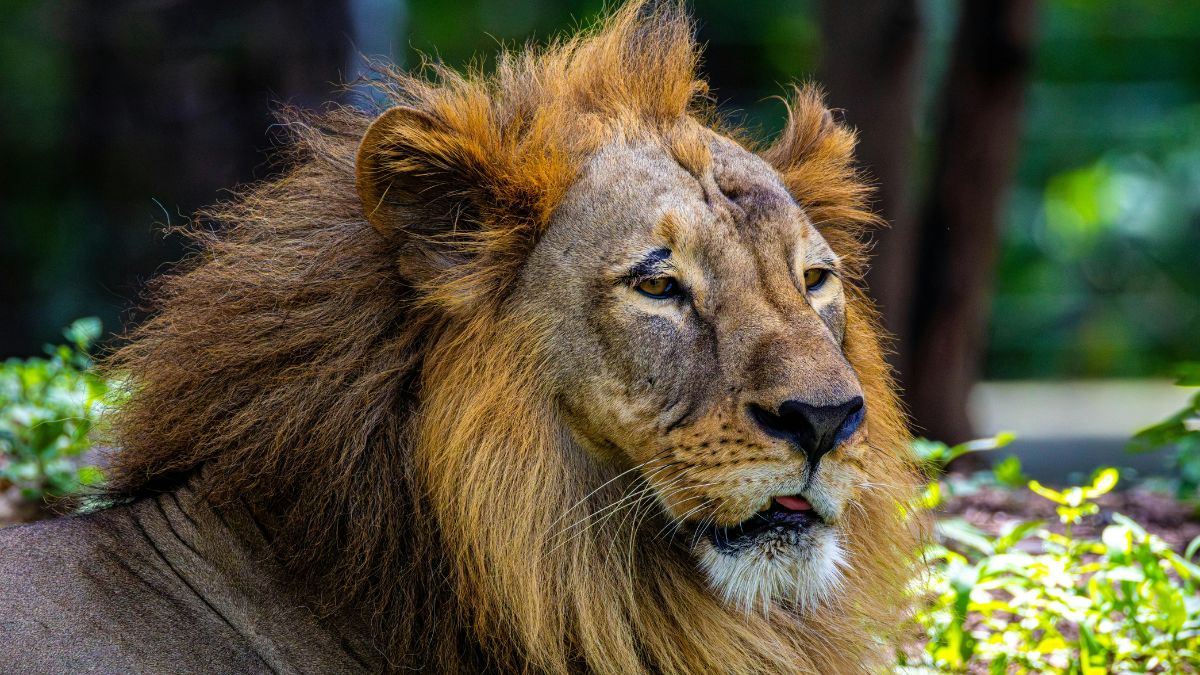
India's largest number of national parks is found in Madhya Pradesh. Madhya Pradesh, sometimes referred to as the "Tiger State of India," is the state with the most national parks in the nation, with eleven of them. Numerous animal species, including tigers, leopards, deer, and numerous bird species, are supported by the state's varied landscapes, which include forests, grasslands, rivers, and wildlife habitats. Travellers and wildlife researchers from all over the world visit well-known national parks like Kanha National Park, Bandhavgarh National Park, Pench National Park, and Satpura National Park.
Top Indian States With the Most National Parks
| Rank | State / Union Territory | Number of National Parks | Famous National Parks |
| 1 | Madhya Pradesh | 11 | Kanha, Bandhavgarh, Pench, Satpura |
| 2 | Andaman and Nicobar Islands | 9 | Mahatma Gandhi Marine National Park, Campbell Bay |
| 3 | Assam | 7 | Kaziranga, Manas, Orang |
| 4 | Kerala | 6 | Periyar, Silent Valley, Eravikulam |
| 5 | Maharashtra | 6 | Tadoba, Sanjay Gandhi, Pench |
| 6 | Uttarakhand | 6 | Jim Corbett, Rajaji, Valley of Flowers |
| 7 | Rajasthan | 5 | Ranthambore, Keoladeo, Desert National Park |
| 8 | Gujarat | 4 | Gir, Blackbuck National Park |
Tiger State of India
Madhya Pradesh is called "Tiger State of India" because of its strong tiger population and effective conservation. The state’s national parks contain some of the nation’s most renowned wildlife habitats. Bandhavgarh is famous for a high density of tigers and Kanha National Park is famous for its forests and barasingha population. Pench National Park is also linked with the scenery that inspired Rudyard Kipling’s famous novel The Jungle Book.
Why Does Madhya Pradesh Have So Many National Parks?
Madhya Pradesh has large forest areas and different types of ecosystems which are conducive for the conservation of wildlife. The state’s forests include tropical deciduous forests, grasslands and river ecosystems that are home to a variety of species. Government conservation programmes like Project Tiger have also boosted wildlife protection in the area.
Famous National Parks of Madhya Pradesh
Kanha National Park
Kanha National Park is one of India’s most famous wildlife destinations, home to tigers, leopards and rare hard-ground barasingha. The lovely forests and grasslands of the park make it an important area for conservation.
Bandhavgarh National Park
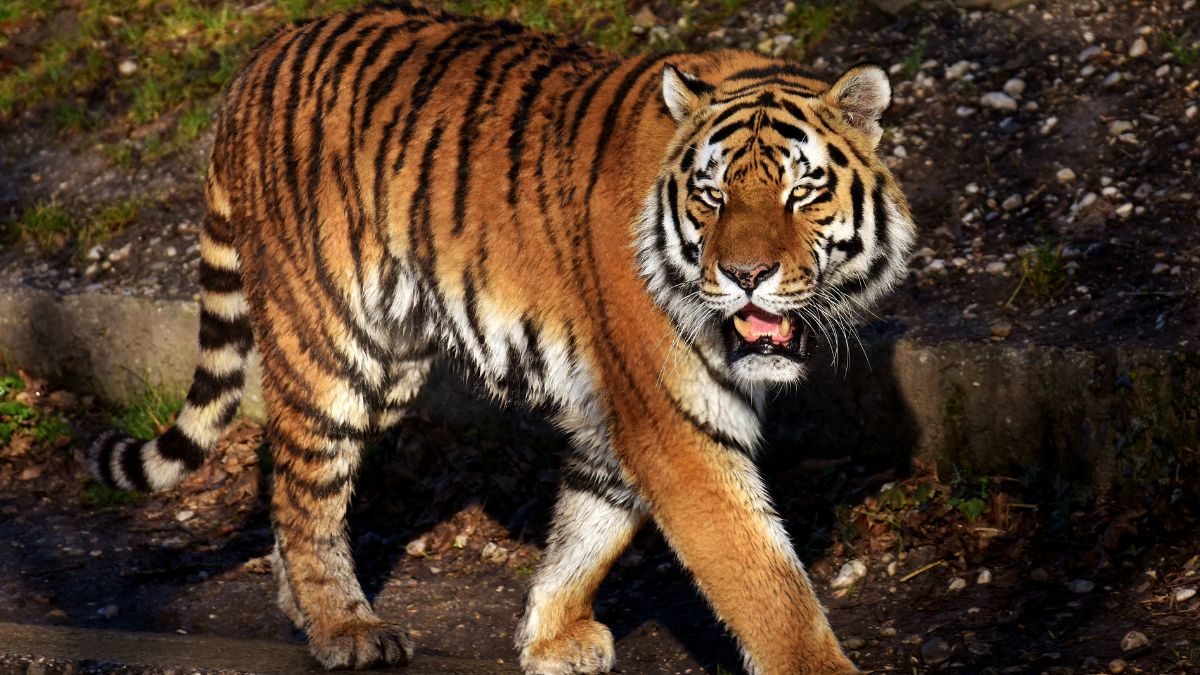
Bandhavgarh National Park has one of the highest densities of tigers in India. The park is also of historical significance as the ancient Bandhavgarh Fort is located within the area.
Pench National Park
Pench National Park, situated in Satpura ranges is known for its rich wildlife diversity. It is also popularly linked to the inspiration behind The Jungle Book.
Satpura National Park
The Satpura National Park is known for its unique landscape of hills, valleys, forests and rivers. It is the home of tigers, sloth bears, leopards and many different species of birds.

Jasreet Kaur is a journalist with over 3 years of experience in digital media and news content creation. She specializes in covering Trending News, including major National and International developments, with a focus on delivering accurate, engaging, and reader-friendly stories. Prior to this, she worked with Zee News as a Content Writer, where she gained extensive experience in news reporting and content strategy. Driven by curiosity, credibility, and a passion for impactful journalism, Jasreet aims to contribute to informed public discourse while supporting positive growth in organizations, society, and the world.


