Key Points
- Naan originated in Persia, evolving with butter & garlic in India.
- Pan de Bono in Colombia uses cassava, predating European influence.
- Roti Canai came to Malaysia in the 19th century by Indian immigrants.
Bread is one of the oldest prepared foods in human history, dating back over 14,000 years to early grain-grinding civilizations. Across continents, bread evolved based on local grains, climate, and cultural practices. From stone ovens in the Mediterranean to clay tandoors in South Asia, each region developed distinct techniques that shaped its most celebrated breads. According to global food rankings, the following breads are among the highest rated worldwide.
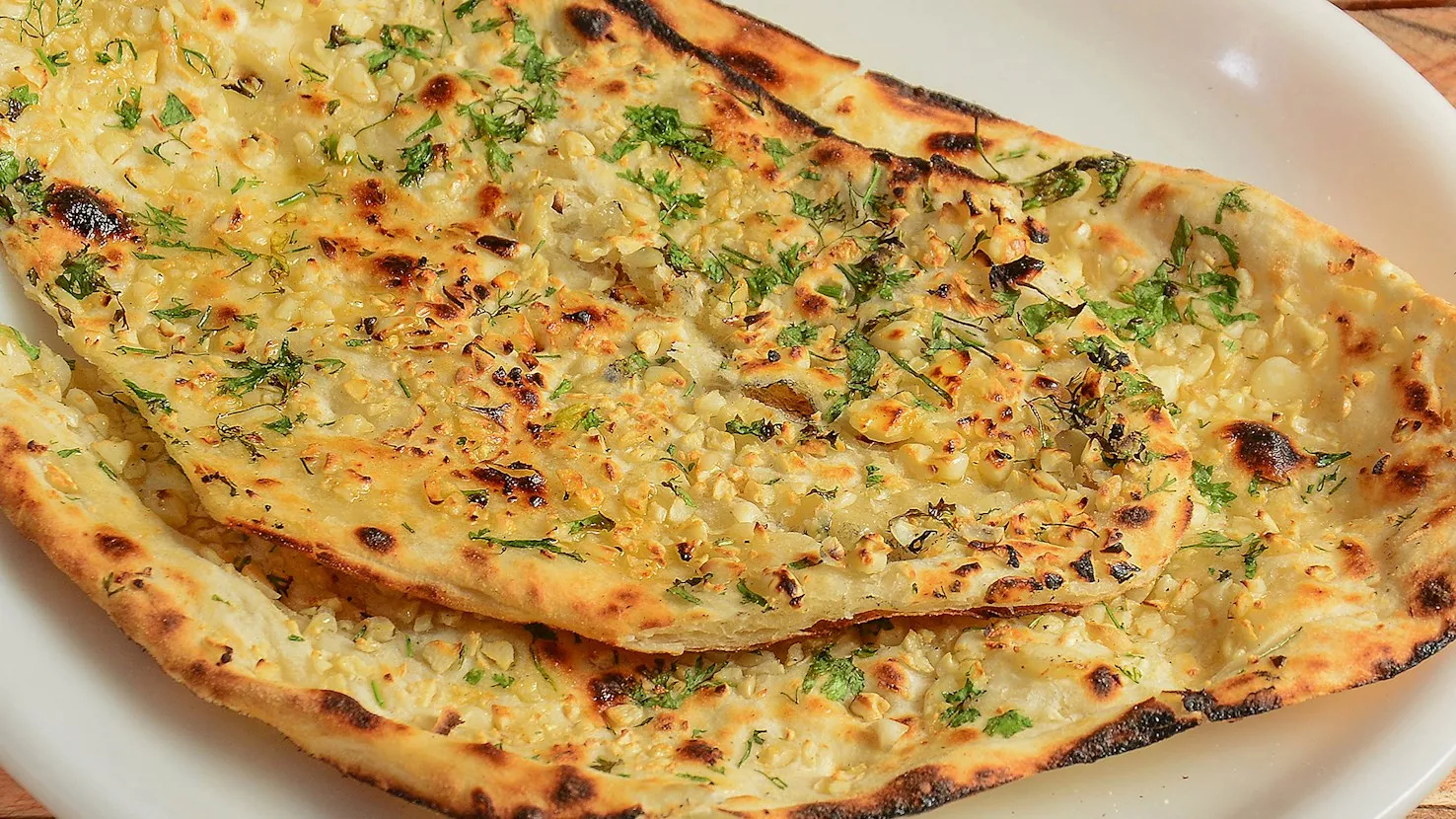
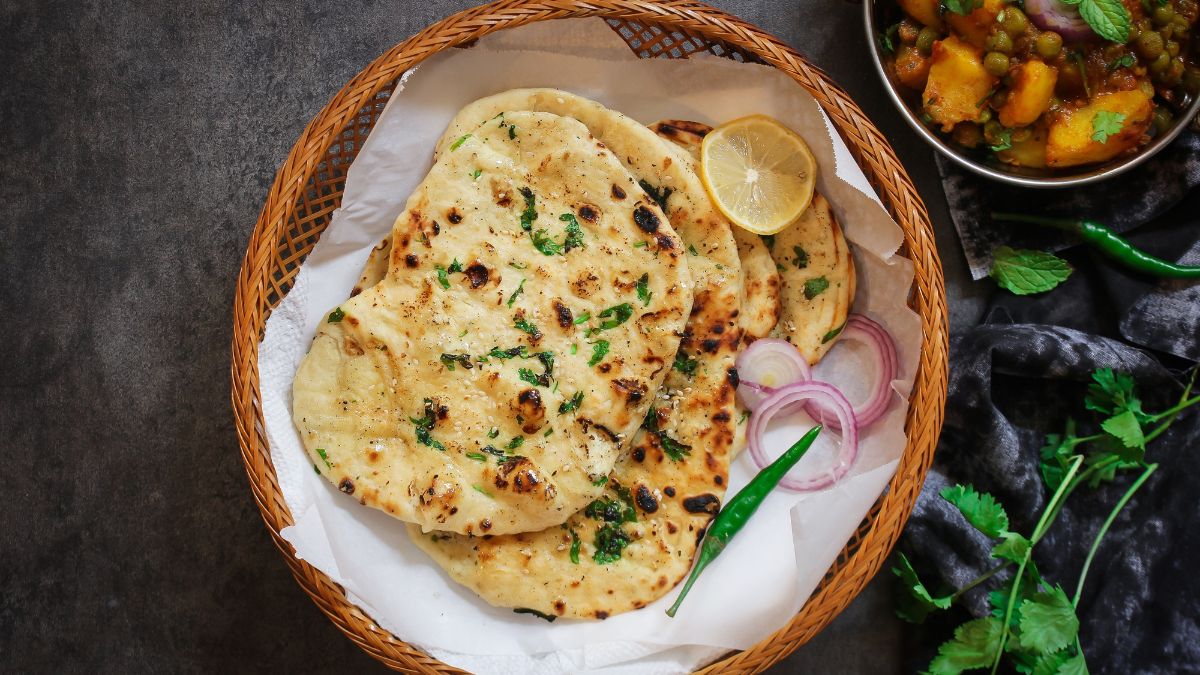
1. Butter Garlic Naan (India)
Butter Garlic Naan is a leavened flatbread traditionally baked in a cylindrical clay oven known as a tandoor. Naan traces its origins to Persian and Mughal culinary traditions that influenced North Indian cuisine centuries ago. The intense heat of the tandoor causes the dough to puff and char slightly, creating a soft interior with blistered edges. The addition of butter and garlic is a later enhancement that elevated naan from a royal court bread to an internationally loved accompaniment. Historically, naan was considered a premium bread because refined wheat flour was once a luxury ingredient.
2. Pan de Bono (Colombia)
Pan de Bono originated in Colombia’s Valle del Cauca region. This cheese bread is made using cassava starch, which reflects indigenous South American agricultural practices long before European colonisation. The use of cassava instead of wheat demonstrates adaptation to local crops. Traditionally eaten warm, it became popular in Colombian bakeries in the 19th century. Its name is believed to reference a specific hacienda or bakery where it was first commercialised. Pan de Bono remains closely associated with coffee culture in Colombia.
3. Focaccia alla Genovese (Italy)
Focaccia alla Genovese comes from Genoa in the Liguria region of Italy. Its roots date back to ancient Roman baking, where flatbreads baked on hot stones were common. The word “focaccia” derives from the Latin “focus,” meaning hearth or fireplace. Historically, it was eaten by fishermen and laborers because it was affordable and filling. The generous use of olive oil reflects Liguria’s long-standing olive cultivation tradition. In Genoa, it is often consumed for breakfast, dipped in coffee or cappuccino.
4. Amritsari Kulcha (India)
Amritsari Kulcha developed in the city of Amritsar in Punjab. It emerged during the Mughal era when Central Asian baking techniques blended with Punjabi flavours. Traditionally stuffed with spiced potatoes or paneer, it is baked in a tandoor and served with chole (spiced chickpeas). Kulcha became popular as a street food in the 19th century and remains a symbol of Punjabi hospitality and culinary richness. The layered stuffing reflects North India’s preference for bold, hearty breads.
5. Roti Canai (Malaysia)
Roti Canai was introduced to Malaysia by Indian Muslim immigrants in the 19th century. The bread evolved locally, blending South Indian parotta techniques with Malaysian flavours. The dough is stretched, flipped, and folded repeatedly to create thin, flaky layers. Historically, it became a staple in roadside eateries known as “mamak stalls.” Its preparation technique demonstrates skill and theatrical flair, often performed in front of customers. Today, it represents Malaysia’s multicultural heritage.
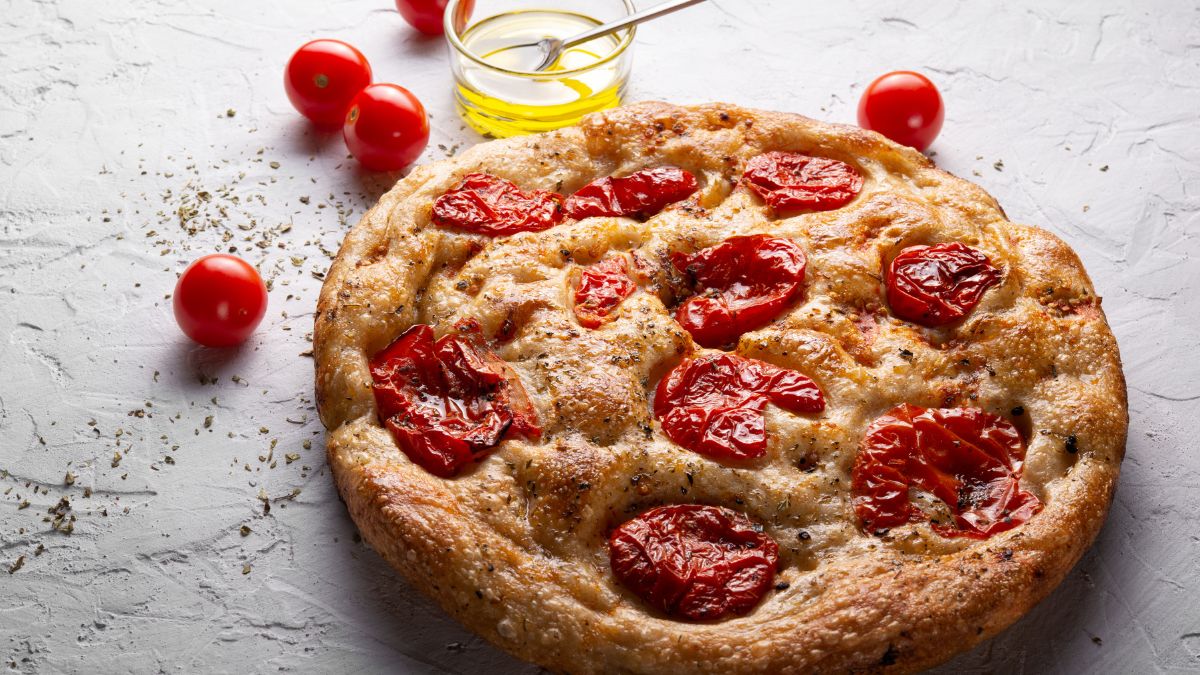
6. Focaccia Barese (Italy)
Focaccia Barese originates from Bari in Southern Italy. Unlike the Genoese version, it often incorporates semolina flour, reflecting Southern Italy’s durum wheat production. Tomatoes and olives are traditionally pressed into the dough before baking. The bread evolved as a practical way for farmers to test oven temperatures before baking other goods. Its toppings reflect Mediterranean agriculture, especially olive groves and tomato cultivation introduced after the Columbian Exchange.
7. Mahjouba (Algeria)
Mahjouba is a traditional Algerian flatbread made primarily from semolina. Its origins trace back to Berber culinary traditions in North Africa. The bread is usually filled with tomatoes and onions, reflecting the region’s reliance on simple, locally available ingredients. It is cooked on a flat griddle and folded into squares. Historically, mahjouba was prepared in households but later became a popular street food across Algeria, symbolising everyday comfort food.
8. Bolo do Caco (Portugal)
Bolo do Caco comes from Madeira Island in Portugal. The bread includes sweet potato in its dough, a crop introduced to the region after transatlantic trade expanded in the 15th and 16th centuries. Traditionally, it is baked on a flat basalt stone slab called a “caco.” The method dates back to when ovens were not widely available in rural Madeira. Its distinctive texture and mild sweetness reflect the island’s agricultural influences.
9. Aloo Naan (India)
Aloo Naan is a stuffed variation of classic naan, filled with mashed potatoes and spices. The introduction of potatoes to India occurred during Portuguese trade in the 16th century. Over time, potatoes became widely cultivated in North India and incorporated into breads. Aloo naan represents the fusion of foreign crops with traditional tandoor baking methods. It is now a staple in Indian restaurants worldwide.
10. Parotta (India)
Parotta is a layered flatbread from South India and Sri Lanka. It developed from the North Indian paratha but evolved differently in the South. The dough is stretched thin, folded repeatedly, and coiled before cooking on a griddle. This technique creates multiple flaky layers. Historically, parotta gained prominence during colonial trade when refined flour became more accessible. It is especially popular in Tamil Nadu and Kerala.
Read more: Which Country Is the Largest Producer of Pulses in the World?
Bread is one of the oldest prepared foods in human history. Across continents, civilisations have developed distinctive bread varieties shaped by geography, agriculture and culinary traditions. Keep reading for more such topics.



Comments
All Comments (0)
Join the conversation