Show Key Points
Banana is one of the most widely cultivated fruits in India and plays a major role in the country’s agricultural economy. Due to exceptional production levels and advanced cultivation practices, one district became nationally recognised for banana farming.
Banana Capital of India
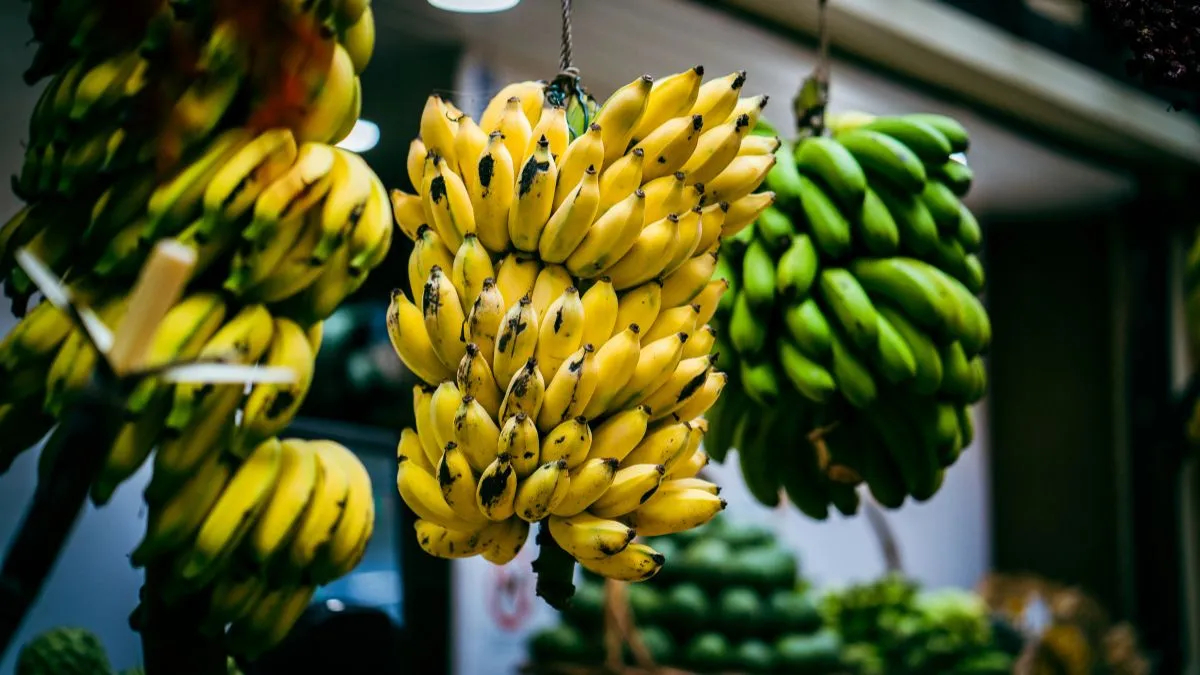
Jalgaon in Maharashtra is known as the Banana Capital of India. The region produces a significant share of India’s bananas due to fertile black soil, favourable climate, and efficient irrigation systems. Banana cultivation forms a core component of the local agricultural economy.
Where Is the Banana Capital of India Located?
Jalgaon district is located in northern Maharashtra in western India. The region’s geography supports large-scale horticulture and fruit cultivation.

Why Is Jalgaon Called the Banana Capital of India?
Jalgaon receives this title because of its exceptionally high banana production and adoption of modern farming techniques. The district consistently ranks among India’s top banana-producing regions.
Banana Production in India
India is one of the world’s largest banana producers. Maharashtra contributes significantly to national output, with Jalgaon as a leading production hub.
Climate and Soil for Banana Cultivation
Banana plants require warm temperatures, adequate water supply, and nutrient-rich soil. Jalgaon’s black cotton soil and irrigation facilities support high productivity.
Agricultural Practices and Technology
Farmers in the region use advanced irrigation methods, improved plant varieties and scientific cultivation practices to increase yield and quality.
Economic Importance of Banana Farming
Banana cultivation supports farmers’ income, regional trade, and fruit supply chains. The crop contributes to both domestic consumption and market distribution.

Interesting Facts About the Banana Capital of India
High Yield Region
Jalgaon achieves high banana productivity due to modern cultivation techniques and efficient water management.
Major Contribution to National Supply
The district plays a crucial role in meeting India’s domestic demand for bananas.
Favourable Agro-Climatic Conditions
Warm climate and fertile soil create ideal growing conditions for consistent production.
Advanced Irrigation Systems
Widespread use of irrigation supports year-round cultivation and stable yields.
Strong Agricultural Economy
Banana farming forms a major source of livelihood for farmers in the region.
Read more: Which Country Is Known as the Coffee Bowl of the World?
Jalgaon is known as the Banana Capital of India because of its dominant production, favourable agro-climatic conditions and advanced farming practices. Keep reading for more such topics.



.jpg)

Comments
All Comments (0)
Join the conversation