Which State Is Famous for Eri Silk in India?
Discover the Indian state famous for Eri Silk, also known as Ahimsa Silk. Learn about its history, cultural importance, production process, unique features, and why it is admired worldwide.
-1779539743339.webp)
India is home to several famous varieties of silk, each carrying a rich legacy of craftsmanship and culture. Eri Silk holds a special place because of its soft texture, warmth, durability, and eco-friendly nature. It is also often called “Ahimsa Silk,” . Its fabric is deeply connected with traditional weaving communities and sustainable fashion practices.
One Indian state has emerged as the heart of Eri Silk production, preserving this centuries-old tradition while introducing it to global markets. Eri silk is deeply woven into the cultural identity
Which State Is Famous for Eri Silk in India?
Assam is the Indian state most famous for Eri Silk production. The state is widely recognized as the largest producer of Eri Silk in the country and has played a major role in preserving the art of traditional silk weaving for generations.
Eri Silk is deeply woven into the cultural identity of Assam and is commonly used in traditional attire, shawls, scarves, and handmade garments. The silk industry also supports thousands of local artisans and rural families across the state.
Why Assam Is Called the Home of Eri Silk
Assam is historically and geographically recognized as the heartland of Eri silk. Data from official channels like the Central Silk Board and Vikaspedia highlights that India’s Northeast region contributes heavily to non-mulberry silk varieties, with Assam leading the charge in Eri and the world-famous golden Muga silk.
The roots of Eri sericulture in Assam date back centuries, deeply embedded in indigenous tribal traditions. In rural Assam, rearing Eri silkworms is a highly localized, domestic art passed down through generations. It is traditionally practiced by women weavers in village households. For many communities, weaving an Eri Chadar (a traditional shawl) is an act of love and a customary gift for weddings and special occasions.
What Is Special About Eri Silk?
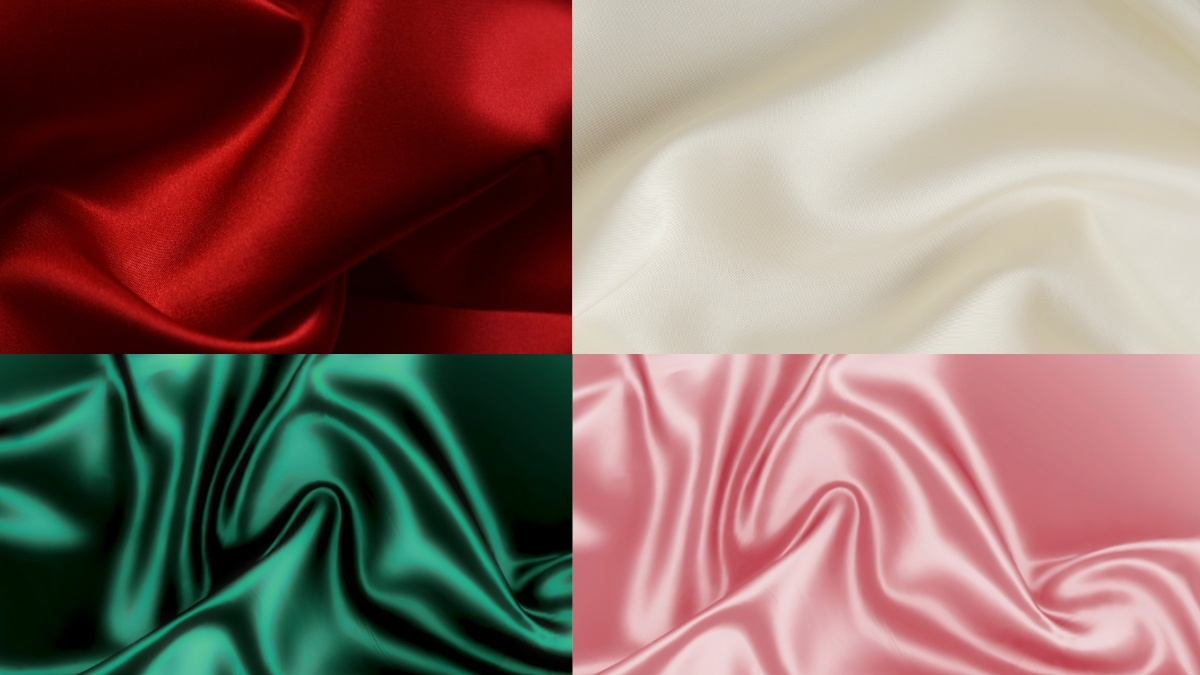
Eri silk stands entirely apart from traditional mulberry silk in texture, appearance, and property. The Wool of the East Eri has a distinct matte finish and a wonderfully textured, slightly coarse feel. It mimics the look and feel of fine wool or slubby cotton, giving it a rustic yet contemporary edge.
An old Assamese proverb says, "Dair pani, erir kani"meaning while yogurt cools you down, Eri cloth provides reliable warmth. Eri silk fibers feature a unique structure that traps air, making the fabric naturally thermal-insulating. It keeps the wearer remarkably warm in the winter and comfortably breathable and cool during hot summer months. It is incredibly strong, highly elastic, and possesses excellent hydrophilic properties, allowing it to absorb sweat and moisture seamlessly.
-1779540143240.jpg)
What Makes Eri Silk Different From Other Silks?
Eri Silk stands apart because of its unique qualities:
-
Soft and wool-like texture
-
Excellent warmth during winters
-
Strong and durable fabric
-
Eco-friendly and sustainable production
-
Comfortable for all seasons
-
Known as “Ahimsa Silk” because it does not involve killing silkworms
Why Is Eri Silk Called Ahimsa Silk?
Eri Silk is popularly called Ahimsa Silk because the silkworm is not harmed during the extraction process. In traditional silk production, cocoons are boiled with the worm still inside. However, in Eri Silk cultivation, the moth naturally emerges from the cocoon before the silk is processed.
This cruelty-free method has made Eri Silk increasingly popular among environmentally conscious consumers and sustainable fashion brands across the world.
How Eri Silk Is Produced in Assam
The name "Eri" finds its roots in the Assamese word 'Era', which translates to the castor oil plant (Ricinus communis). The specific domesticated silkworm responsible for this fabric, Samia ricini, feeds almost exclusively on these hardy, drought-resistant castor leaves.
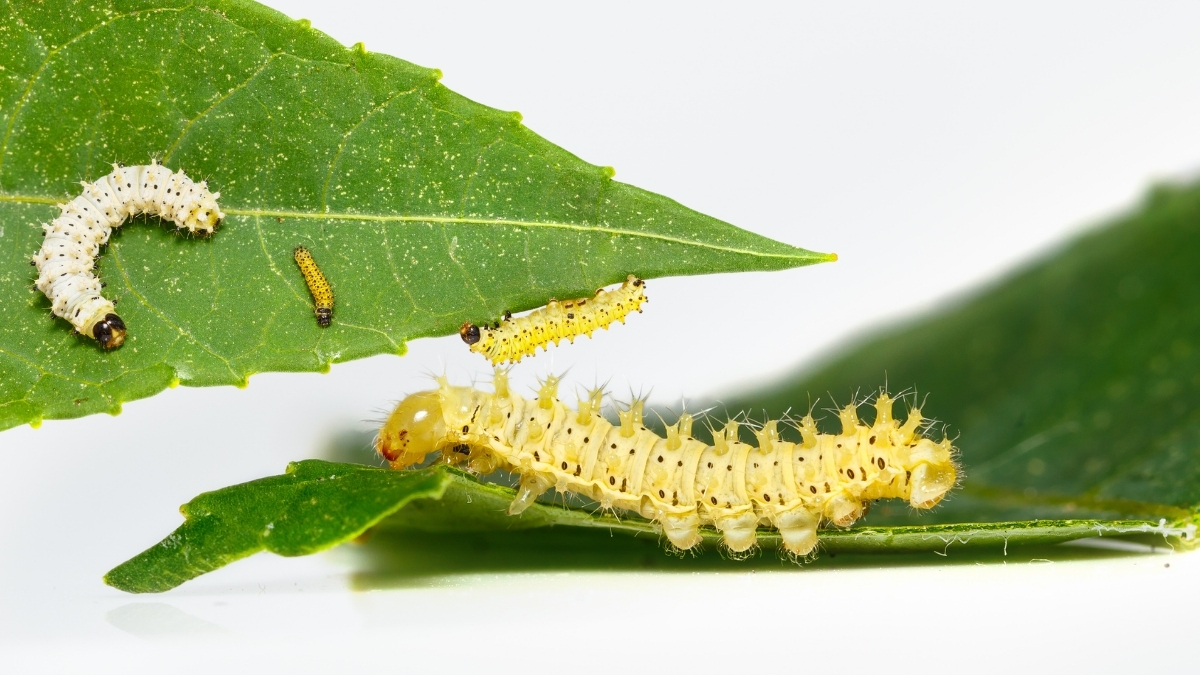
The Assam's Eri silk lies in its unique production cycle:
-
Rearing of Silkworms: In sericulture, cocoons are boiled with the live pupae inside to preserve a single, continuous silk filament. However, the Eri cocoon is naturally open-ended at one side.
-
The "Peace" Harvest: The silkworm is allowed to complete its beautiful transformation into a moth and fly away entirely unharmed.
-
Cocoon Collection After the moth naturally comes out of the cocoon, the empty cocoons are collected.
-
Spinning and Reeling: the remaining cocoon consists of short, staple fibers rather than a continuous thread. Instead of being reeled, these cocoons are flattened into small "rotis," dried, and meticulously spun by hand using a traditional drop spindle called a Takuri, or processed via local mills.
The silk fibers are spun into yarn and woven into fabric by skilled artisans using traditional handlooms. The finished silk is used to create shawls, stoles, sarees, jackets, and other ethnic wear. This traditional process reflects the craftsmanship and cultural heritage of Assam’s weaving communities.
Also Read: Which State is the Largest Producer of Titanium in India?

Manisha Waldia is an accomplished content writer with 4+ years of experience dedicated to UPSC, State PCS, and current affairs. She excels in creating expert content for core subjects like Polity, Geography, and History. Her work emphasises in-depth conceptual understanding and rigorous analysis of national and international affairs. Manisha has curated educational materials for leading institutions, including Drishti IAS, Shubhara Ranjan IAS, Study IQ, and PWonly IAS. Email ID: manisha.waldia@jagrannewmedia.com


