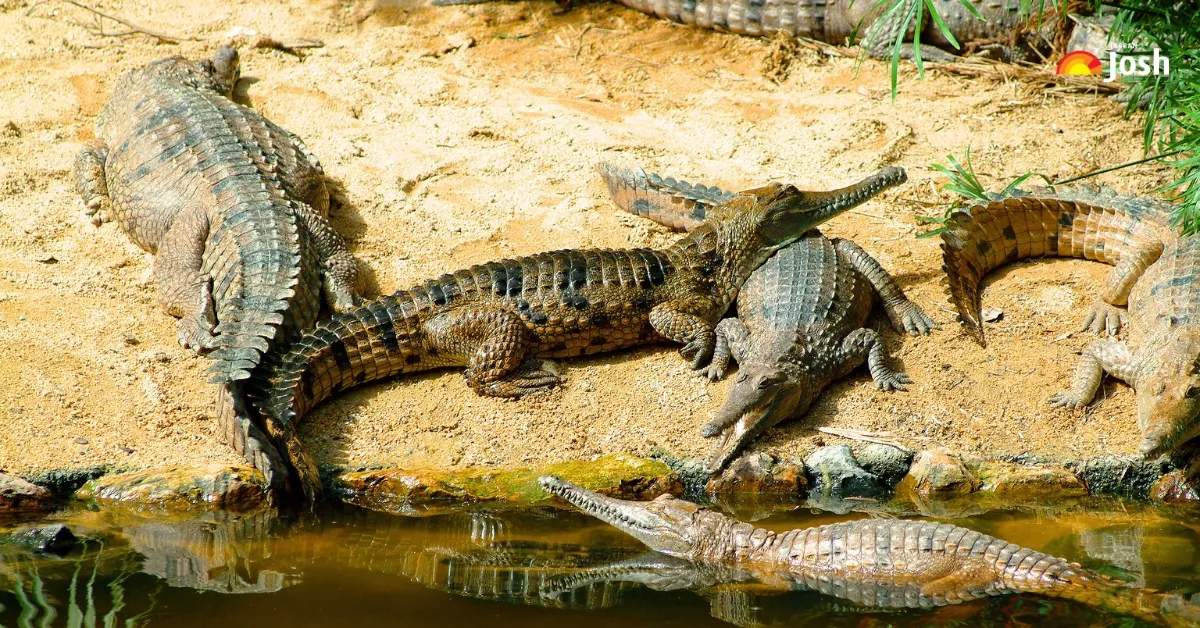
Key Points
- The Vishwamitri River in Gujarat is known as India's Crocodile River.
- A 2025 census estimates 442 crocodiles live in the Vishwamitri River.
- Vadodara's Sayaji Baug park was built on the river's banks in 1879.
India is truly a land of many waters. The country is home to over 400 rivers and 12 major river basins that act as the nation's lifeblood. When it comes to size, the Ganga is both the longest river in India. The mighty Brahmaputra is India's largest river.
Many of these rivers have unique nicknames. The Kosi is often called the "Sorrow of Bihar", while the Godavari is known as the "Dakshina Ganga".
But do you know which river is famously called the Crocodile River of India? In this article, we’ll take a look at the history, the wildlife, and the secrets of this incredible "Crocodile River".
ALSO READ| Which River Is Known As The River Of Nine Dragons?
Which River Is Known As The Crocodile River?
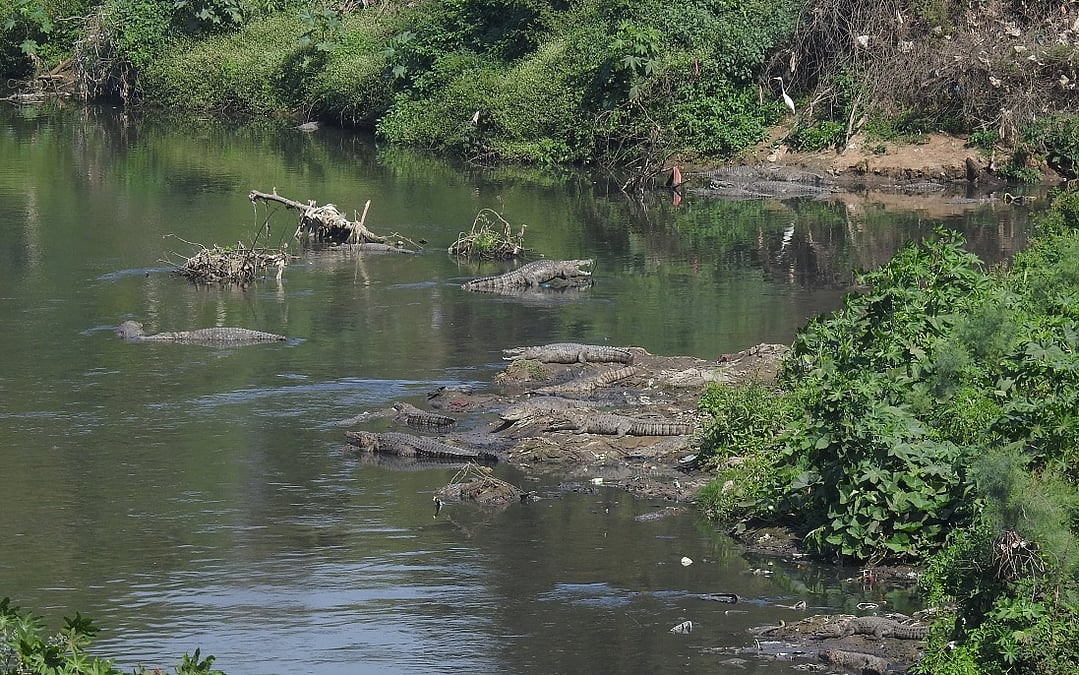
The river known as the Crocodile River of India is the Vishwamitri River. It is a seasonal river that originates in the Pavagadh Hills in the Panchmahal district of Gujarat. The river flows westward through the centre of Vadodara, one of Gujarat's largest cities.
Unlike many of India’s long rivers, the Vishwamitri stays within the state of Gujarat for its entire journey. After passing through urban and rural areas, it joins the Dhadhar River.
Together, they eventually empty into the Gulf of Khambhat in the Arabian Sea. It is world-famous because hundreds of Mugger crocodiles live naturally in its waters, even as it passes through busy city neighbourhoods.
10 Fascinating Facts About the Vishwamitri River
- The river is named after the legendary Great Sage Vishwamitra, who is said to have meditated on its banks.
- It is one of the very few rivers in the world where a large population of predators lives in the middle of a major city.
- Experts estimate there are over 300 Mugger crocodiles living within the stretch of the river that flows through Vadodara.
- Archaeologists have found tools and remains along the riverbed that date back to the Stone Age.
- Vadodara’s famous public park, Sayaji Baug, was built right on the banks of this river in 1879.
- Many local residents view the crocodiles as the "natural protectors" of the river’s ecosystem.
- During heavy monsoon floods, the crocodiles are known to swim into city streets and even residential compounds.
- For much of the year, the river is quite shallow, but it transforms into a powerful current during the rainy season.
- The river serves as a vital green corridor for birds, turtles, and several species of small mammals.
- The river is considered the "Mother" of Vadodara and is deeply tied to the city's identity and history.
IN CASE YOU MISSED| Which River is Known as the Lifeline of the Thar Desert?
Why the Vishwamitri River Has the Most Crocodiles?
The Vishwamitri River is currently home to an estimated 442 crocodiles. According to a 2025 census by the GEER Foundation, this number has increased significantly from previous years, showing a 60% rise since 2020. There are three main reasons why they thrive here:
- Abundant Food: The river provides a steady supply of fish, while the banks are home to stray dogs and pigs, which the crocodiles hunt.
- Minimal Disturbance: Because the water is highly polluted by sewage and industrial waste, humans rarely use the river for swimming or washing, leaving the reptiles undisturbed.
- Urban Scavenging: These crocodiles have adapted to urban life, often scavenging on organic waste and carcasses dumped near the river.
How Many Rivers In India Have Crocodiles?
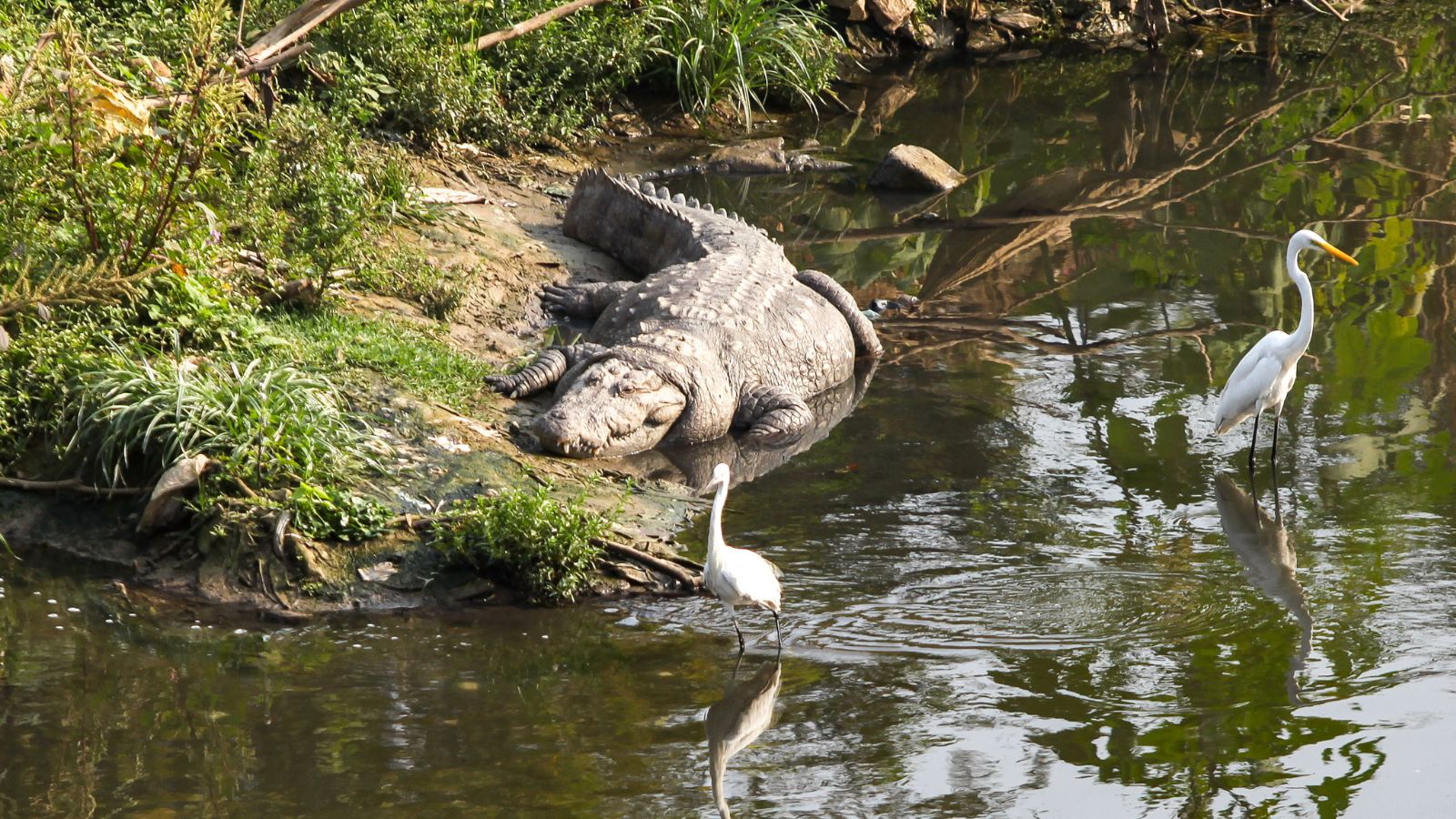 India is home to three species of crocodilians found in about 20 major river systems. The Chambal River is the main sanctuary for the Gharial. The Brahmani and Baitarani rivers in Odisha are home to large Saltwater crocodiles.
Additionally, rivers such as the Ganga, Mahanadi, Krishna, and Kaveri support healthy populations of the freshwater Mugger.
While the Vishwamitri is the most famous for its urban density, many smaller tributaries throughout the country also provide natural habitats for these reptiles.
WHAT'S NEXT| Which River Is Called the National River of India?


Comments
All Comments (0)
Join the conversation