Key Points
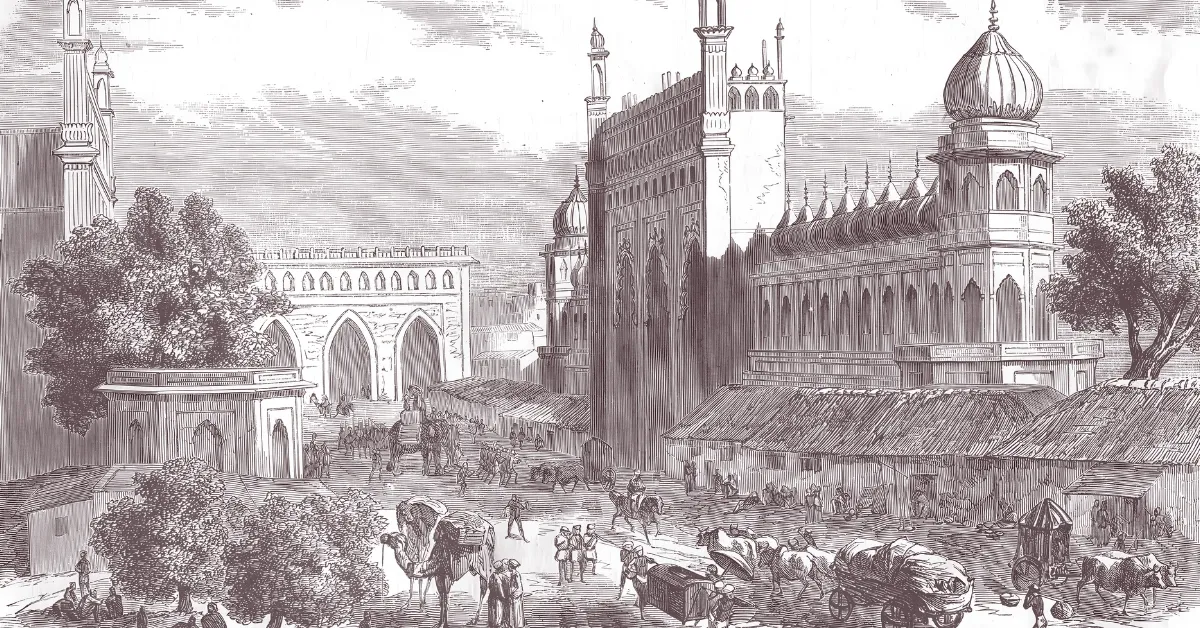
- Legend says Lucknow was founded by Lakshmana, named Lakshmanpuri.
- By the 11th century, Lakshmanpuri evolved into Lakhanpur.
- In 1775, Nawab Asaf-ud-Daula shifted the capital to Lucknow.
India is a land with a very deep history. If you look closely at the map, you will find that many places had different names in the past. These ancient names tell us stories about kings, cultures, and old traditions. Exploring these names is like travelling back in time.
For example, did you know that the city of Patna was once the mighty Pataliputra? The beautiful city of Prayagraj was known for centuries as Allahabad and, before that, simply as Prayag.
Even the state of Odisha was famously called Kalinga in ancient times. These names changed as empires rose and fell over thousands of years.
Changing names is a part of how a city grows and evolves over thousands of years. But among all these famous places, do you know what the old name of the "City of Nawabs" was? In this article, we'll take a look at the fascinating history and the original name of Lucknow.
ALSO READ| What is the Old Name of Mizoram?
What Is The Oldest Name Of Lucknow?
Source: Sahapedia
The story of Lucknow's name is a fascinating blend of ancient mythology and medieval evolution. Here are the historical layers that shaped its identity:
The Ancient Names of Lucknow
- Lakshmanpuri / Lakshmanavati: According to legend, the city was founded by Lakshmana, the younger brother of Lord Rama.
- After returning from exile, Rama gifted this fertile land on the banks of the Gomti to him. It was originally called Lakshmanpuri (City of Lakshmana).
- Lakhanpur / Lachhmanpur: By the 11th century, the name softened into Lakhanpur.
- A prominent mound in the city, known as Lakshman Tila, is still cited by historians as the original site of this ancient settlement.
- Lakhnau (14th - 18th Century): As Persian and Mughal influences grew, the name evolved through variations like Lakhnawati and Lakhnau.
- It became a significant administrative hub under Emperor Akbar in the late 16th century.
- Lucknow (1775 CE): The city rose to its greatest glory when Nawab Asaf-ud-Daula shifted the capital of Awadh from Faizabad to Lucknow in 1775.
- The British later anglicised the spelling to Lucknow, which remains the official name today.
IN CASE YOU MISSED| What is the Old Name of Uttarakhand?
10+ Lesser-Known Facts About Lucknow
- The Bara Imambara’s central hall is one of the world's largest arched constructions built without any internal pillars or beams.
- The Charbagh Railway Station is designed to look like a chessboard with chess pieces when viewed from above.
- The Husainabad Clock Tower stands at 221 feet, making it the tallest clock tower in India.
- India’s very first Subscriber Trunk Dialling (STD) call was made between Lucknow and Kanpur in 1960.
- Lucknow is home to the City Montessori School, which holds the Guinness World Record for the highest number of students.
- The Janeshwar Mishra Park is recognised as the largest garden in Asia, sprawling over 376 acres.
- Lucknow was the first city in India to be designated as a "CCTV City" due to its massive surveillance network.
- The famous Bhulbhulaiya (maze) contains nearly 489 identical doorways, designed to confuse intruders.
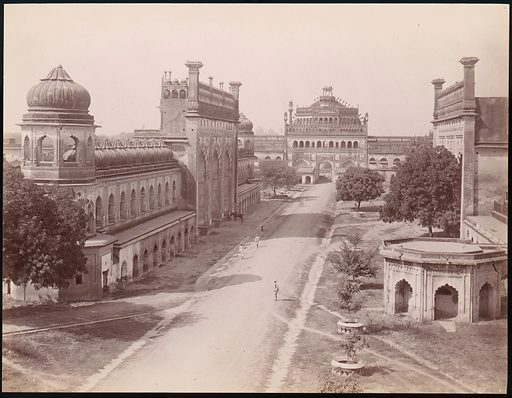
- The Rumi Darwaza was built during a famine in 1784 as a food-for-work project to provide employment to locals.
- The Lucknow Race Course is unique for being the only track in India where horses race anticlockwise.
- While famous for meat, Lucknow invented the "Dalcha" and "Veg Shami" to cater to its diverse royal guests.
Why Does the "Sound" of Lucknow's Name Change Across Languages?
While we focus on the written name, the phonetic evolution of Lucknow is a scientific marvel of linguistics. In Sanskrit, the sharp "sh" and "man" sounds in Lakshmanpuri required significant tongue effort.
Over centuries, as the local Prakrit and Awadhi languages took over, the "sh" softened and the "m" was dropped to make it easier to say, resulting in Lakhanpur.
Later, Persian influence added a musical "au" sound, turning it into Lakhnau. This isn't just a change of rulers. It is a "language economy" in which a city's name is changed to make it easier for local people to say.
FOR YOU| What is The Old Name Of Bihar?
How Did the Gomti River Shape the City's History?
Source: The Citizen
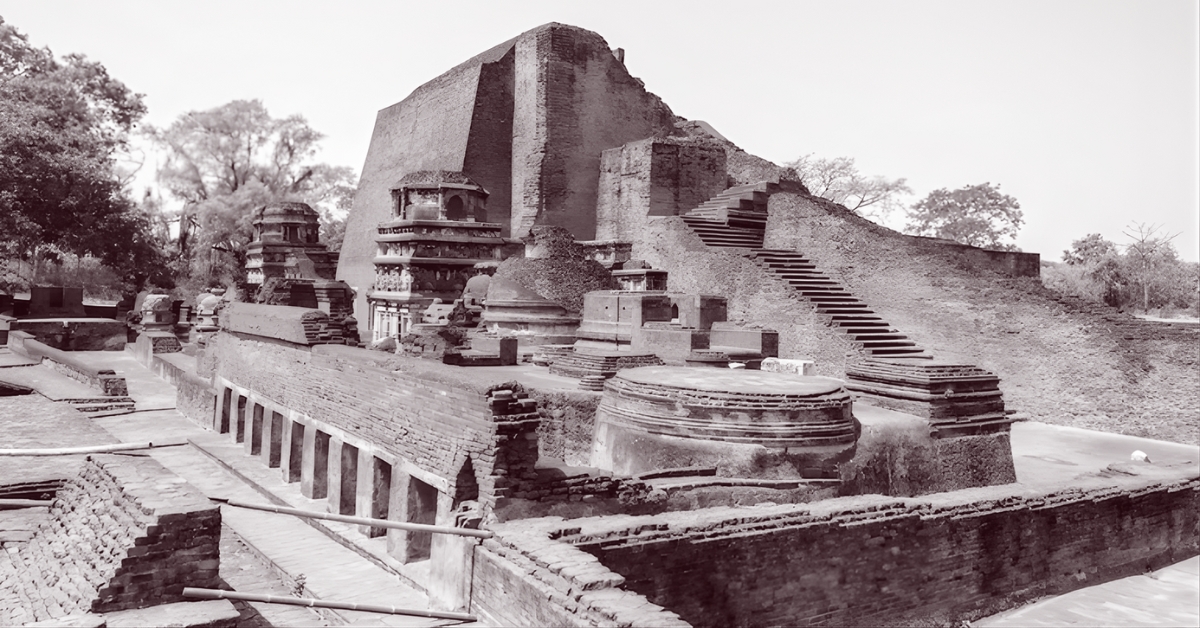
Ancient Lucknow wasn't built only by kings; it was shaped by the Gomti River. Early settlers picked the "Lakshman Tila," a high mound, because it was the only place that was safe from the seasonal floods of the Gomti River.
This elevated area made it possible to build a permanent capital. The nearby fertile plains offered food.
Scientifically, the river served as a natural barrier that kept invaders away from the ancient settlement. The name Lakshmanvati suggests a place "possessed of" or "protected by" the qualities of the land.
By examining the soil and water flow, we see that the city wasn't just named by an individual. The river itself shaped its design. This geographic stability is the reason the city has thrived for thousands of years.
WHAT'S NEXT| What Was the Old Name of Iran?



Comments
All Comments (0)
Join the conversation