Key Points
- Hyderabad and Secunderabad are known as the 'Budapest of India'.
- Hussain Sagar Lake, built in 1563, separates the twin cities.
- Hyderabad was founded in 1591; Secunderabad in 1806.
India is truly a land of wonders. It is full of bright colours, deep history, and stunning views. From the tall, snowy peaks in the North to the calm backwaters in the South, every corner offers something special.
Because India is so diverse, many of its cities are often compared to famous places around the world. You have likely heard of the "Venice of the East" or the "Switzerland of India". But do you know there is a place in India known as the Budapest of India?
Which city is compared to the well-known capital of Hungary? In this article, we will reveal which city has this name and look into the charm that gave it such a unique distinction.
ALSO READ| Which Place Is Known As the New York of India?
Which Place Is Known As The Budapest Of India?
Source: iStock
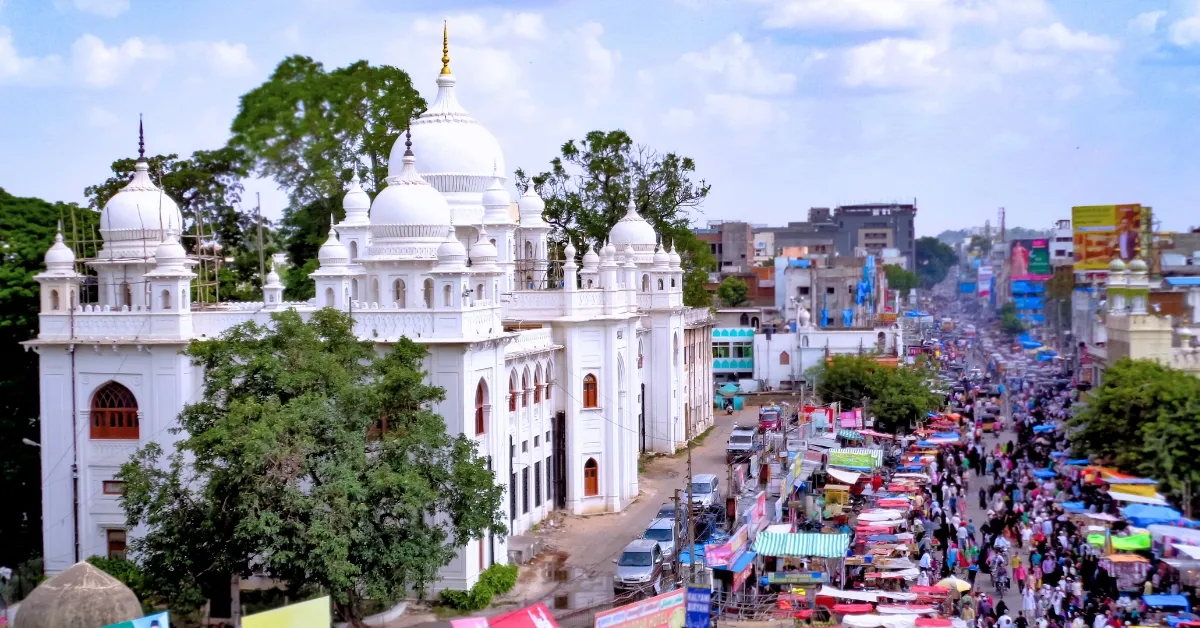
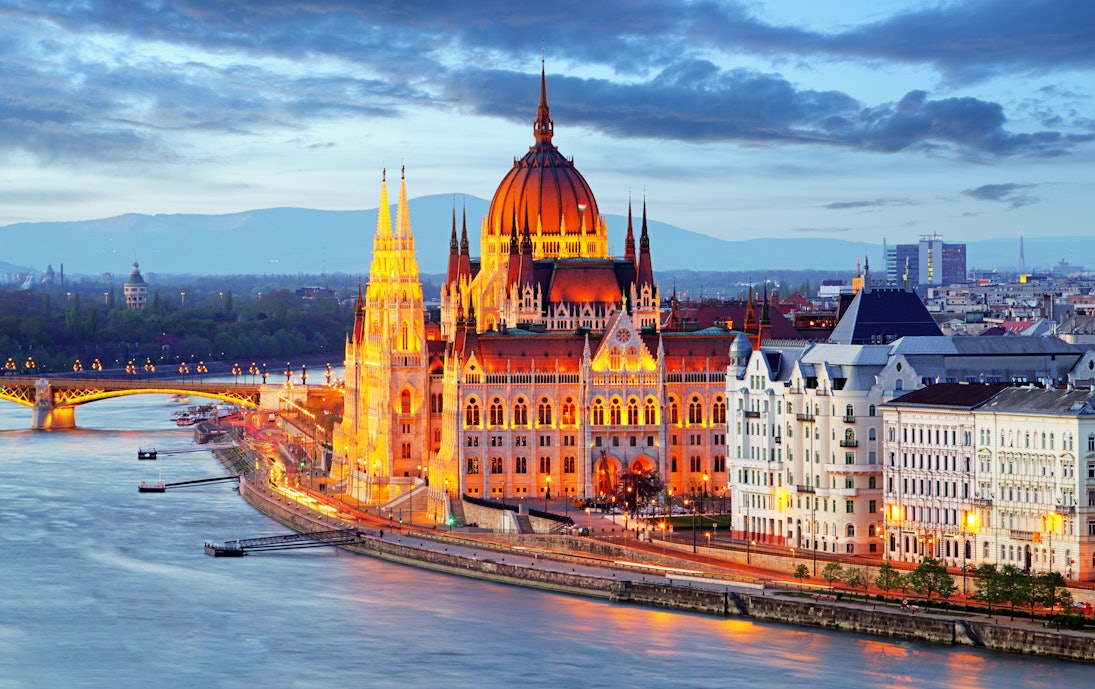
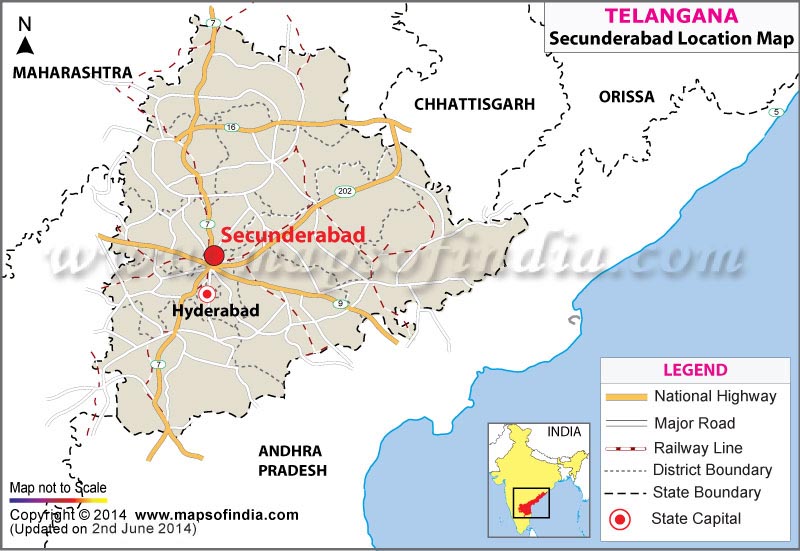
The title "Budapest of India" belongs to the twin cities of Hyderabad and Secunderabad in the state of Telangana. This nickname comes from their unique geographical layout.
Just as the Danube River divides the city of Budapest into "Buda" and "Pest", the man-made Hussain Sagar Lake separates these two Indian cities.
Hyderabad is the older, historic half, famous for its 400-year-old monuments and royal Nawabi culture. Secunderabad was developed much later as a British military cantonment. Today, they are perfectly connected by the Tank Bund road and a modern metro system.
10 Lesser-Known Facts About the Twin Cities
Source: India Map
- Hussain Sagar Lake was officially recognised by the UNWTO as the "Heart of the World" because it is the world's largest heart-shaped landmark when viewed from above.
- The world-famous Koh-i-Noor diamond was originally mined at the Golconda Mines, which are located on the outskirts of Hyderabad.
- Ramoji Film City holds the Guinness World Record for being the largest integrated film city on the planet.
- The magnificent Falaknuma Palace was intentionally built in the shape of a scorpion, with two "stings" as wings.
- The Salar Jung Museum houses the largest collection of antiques and art in the world belonging to just one person.
- Inside that museum is a famous 19th-century musical clock where a tiny wooden figure comes out to strike a bell every sixty minutes.
- Despite being far from the sea, Hyderabad is the global centre for pearl processing and trading, a tradition started by the Nizams.
- Hussain Sagar Lake is not a natural water body; it was built back in 1563 to help supply water to the city.
- The city is home to unique rock formations that are over 2,500 million years old, making them some of the oldest rocks in the world.
- Hyderabad was the first city in all of India to welcome a store from the global furniture giant, IKEA.
IN CASE YOU MISSED| Which Place Is Known As The San Francisco Of India?
Why are Hyderabad and Secunderabad called the Budapest of India?

Source: Incredible India
The term "Budapest of India" is a well-known nickname for the twin cities of Hyderabad and Secunderabad.
This label comes from their notable similarities in geography and history with Budapest, the capital of Hungary.
Budapest was created by bringing together two separate cities, Buda and Pest, which are divided by the Danube River.
Similarly, Hyderabad and Secunderabad are connected but remain distinct, separated by the famous Hussain Sagar Lake.
Historical and Geographical Parallels
The comparison stems from the unique "split" identity of both regions.
- Hyderabad & Buda: Both represent the older, more historic side. Hyderabad, founded in 1591, features hilly terrain (like Banjara Hills) and ancient monuments, mirroring Buda’s hilly landscape and royal history.
- Secunderabad & Pest: These represent the newer, flatter, and more "planned" commercial hubs. Secunderabad was established as a British cantonment in 1806, similar to how Pest developed as the urban, commercial centre of Hungary.
In a Nutshell
| Feature | Hyderabad-Secunderabad (Twin Cities) | Budapest (Buda & Pest) |
| Separating Body | Hussain Sagar Lake (Artificial) | Danube River (Natural) |
| Total Area | ~650 sq. km (GHMC Area) | ~525.2 sq. km |
| Population (2026) | ~11,608,000 (Metro) | ~1,784,000 |
| Establishment | Hyderabad (1591) / Secunderabad (1806) | Unification of Buda, Pest, Óbuda (1873) |
| Terrain Style | West (Hilly/Granite) / East (Plains) | West (Hills of Buda) / East (Plains of Pest) |
Conclusion
In conclusion, the title "Budapest of India" is a meaningful reference to the shared "dual-city" nature of these two global landmarks.
While Hyderabad and Secunderabad have greatly surpassed Budapest in population density and size, the main architectural and social differences are still quite similar.
Both pairs of cities show how a body of water can serve as a bridge, not a barrier, allowing two distinct cultures to come together in a lively metropolitan area.
WHAT'S NEXT| Which Place Is Known As The Florence Of India?


-1769451950090.jpg)
Comments
All Comments (0)
Join the conversation