Which Is The Only Bird Named After A Country?
Do you know which bird is named after a country? Can you take a guess which animal hides this secret? This famous fowl shares its identity with a nation that spans two continents and was home to the ancient city of Troy. Let's discover the bizarre history behind this mix-up.
There are 195 countries on this planet, and every single one has a name with a story. Some are named after legendary fighters, others after old rivers or mountains. And then there are nicknames like New Zealand, called the Land of the Long White Cloud. These names are like clues to what makes each place tick. But have you ever thought about how these nations got their official names? Most are named after regions, tribes, or famous people. Believe it or not, there's actually a country out there named after a bird. Or a bird named after a country. So, what's true and what's not? Let's dig into how that happened and why the story is way cooler than you'd expect.
Which Bird Is Named After A Country?

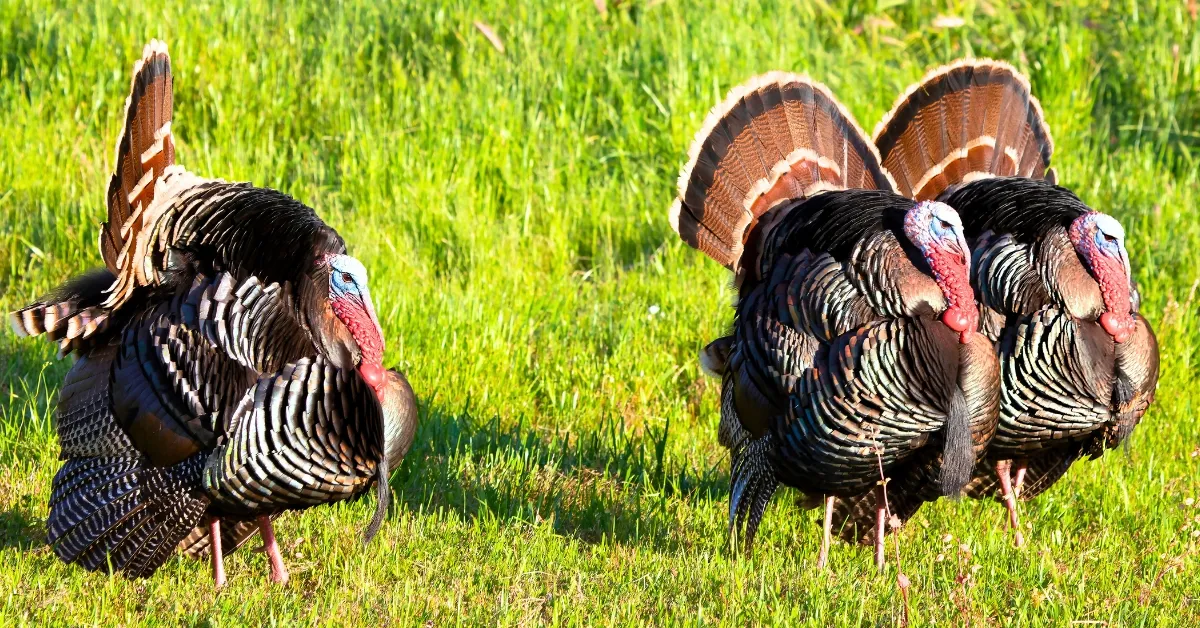
The bird which was named after the country is Turkey. The country of Turkey is a really interesting place because it sits right at the crossroads where Europe and Asia meet (Transcontinental). While many people think Istanbul is the main hub, the actual capital city is Ankara. It is a lively and influential nation, home to a big population of over 85 million people.
So, how did the country and the bird end up sharing the exact same name? Well, it all comes down to a giant historical misunderstanding. The country actually did not name itself after the animal. The turkey is a large, ground-nesting bird with a fan-shaped tail that is completely native to North America.
The mix-up started when European settlers first arrived in America and saw this new bird. It reminded them of a completely different bird they used to buy from Turkish merchants back home.
Because those original birds came through Turkish traders, people just started calling the new American bird a "turkey" too. Over time, the name stuck in English, creating a funny, permanent link between a North American bird and a historic nation.
Quick Facts: The Turkey Bird
| Feature | Details |
| Scientific Name |
|
| Family | Phasianidae (The same heavy, ground-dwelling family as pheasants, chickens, and guineafowl) |
| Native To | North America (Wild Turkey) and the Yucatán Peninsula in Central America (Ocellated Turkey). |
| Where Found Globally |
|
| Physical Description |
|
| Weight |
|
| Life Span |
|
| Diet | Omnivorous foragers; they eat acorns, seeds, berries, insects, roots, and occasionally small reptiles or amphibians. |
| 3 Fun Facts About Turkey |
|
Why was the Turkey Bird Named After A Country?
To clear up the confusion right away: the country was actually not named after the bird. It is actually the exact opposite. The famous Thanksgiving bird was named after the country due to a massive trade mix-up hundreds of years ago. Here is exactly how this linguistic accident happened.
I) The Role of Turkish Merchants
Source: DEA / G. DAGLI ORTI / De Agostini via Getty Images
Back in the 1500s, before Europeans ever set foot in North America, they loved eating a specific type of wild fowl. This bird was the guinea fowl, which was imported from Africa into Europe by merchants from the Ottoman Empire.
Because these traders came from the region of Turkey, the British people simply started calling the delicious animal a "turkey cock" or "turkey coon", eventually shortening the name to just turkey.
II) The North American Mix-Up
A few decades later, European settlers arrived in North America. There, they discovered a brand new, wild, ground-nesting bird. This new American bird looked and tasted very similar to the African guinea fowl they were used to eating back home.
The settlers mistakenly thought these new creatures were the exact same birds imported by the Turkish merchants. Because of this identity mistake, they began calling the American bird a "turkey" as well.
III) Why the Name Stuck
The name stuck in the English language forever. So, while the land of Turkey got its name naturally from its people (the Turks), the bird got its name purely because of a geographic mistake by hungry Europeans.
What Is The Old Name of Turkey?
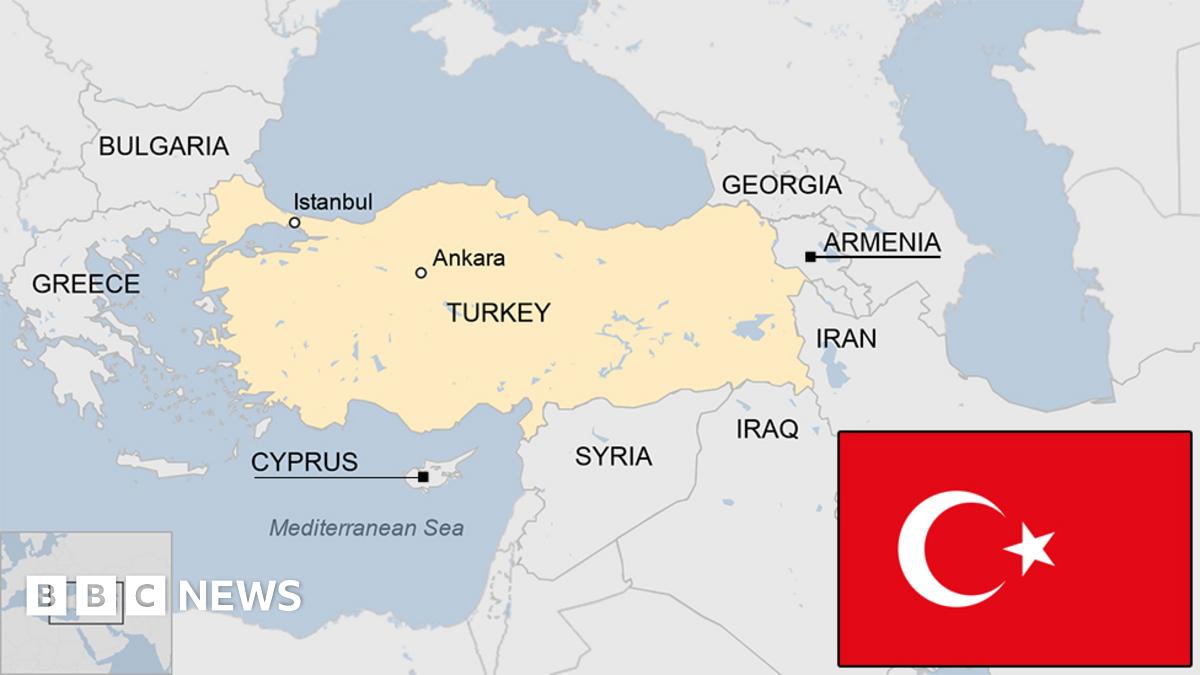
Before Turkey became the nation we know today, the land was known by a few different historical names. For a very long time, it was called Anatolia (which means "land of the rising sun" or "the East" in ancient Greek).
Later, it became the heart of the mighty Ottoman Empire, which ruled for over 600 years. Here is the simple story of how the country officially got its modern name.
i. Where Does the Name Come From?
The name "Turkey" actually comes from its people, the Turks. The word "Turk" is very old and roughly translates to "strong" or "powerful".
As early as the 1100s, Europeans started calling this region Turchia or Turquie because the Turkish people had moved into the land and made it their home. So, to the rest of the world, it was simply known as "the land of the Turks".
ii. Who Gave the Name ‘Turkey’?
The names we use for this region did not just appear overnight. They were given by the nomadic people themselves, their powerful neighbours, and European traders over thousands of years. Here is the breakdown of exactly who gave these famous names.
a) Who came up with the name "Turk"?
The Turkish people actually named themselves! The very first written record of the word "Turk" comes from the Göktürks (meaning "Sky Turks") in the 500s AD. They were a powerful group of nomadic warriors in Central Asia. They used the word "Türk" as their self-designation, which meant "strong", "powerful", or "born/created".
Around the same time, Chinese historians recorded them in imperial scripts, translating the name phonetically to Tujue. According to ancient Chinese texts, the name was chosen because the shape of the Altai mountains, where these people lived, looked exactly like a warrior's helmet.
b) Who created the name "Turkey"?
The Europeans gave the land its geographic name. In the 1100s, Italian merchants and crusaders noticed that these Turkish tribes had moved from Central Asia and completely dominated the region of Anatolia.
The Italians began calling the area Turchia (meaning "the land of the Turks"). French travellers adapted this to Turquie, and by the late 1300s, famous English writers like Geoffrey Chaucer brought it into the English language as Turkye.
c) What about the other historical names?
The land has had a few other famous names throughout history, given by different empires:
- Anatolia: This ancient name was given by the Greeks. It comes from the Greek word Anatole, which literally means "the East" or "where the sun rises."
- Asia Minor: This name was given by the Romans. It means "Lesser Asia", used to distinguish the peninsula from the larger Asian continent.
- The Ottoman Empire: This political name was given by the Turks themselves in the 1300s. It was named directly after Osman I, the fierce tribal leader who founded the empire that would eventually rule the region for more than six centuries.
iii. How It Became Official
For centuries, the region was officially run by the Ottoman sultans. However, after World War I, the old empire collapsed. A famous leader named Mustafa Kemal Atatürk led a movement to create a brand-new, independent country.
In 1923, they officially declared the birth of the new nation and named it 'Türkiye' (which is the Turkish spelling for Turkey). They chose this name to give the country a clear, proud identity based entirely on its people.
A Recent Update: In 2022, the country asked the United Nations and the rest of the world to stop using the English word "Turkey" (partly to clear up the confusion with the bird!). Today, international organisations officially use their traditional name, Türkiye.

Kriti Barua is a skilled content writer with 4+ years of experience in creating clear, engaging, and informative content. She began her writing journey as a Creative Writer Intern at Wordloom Ventures. She holds a BA degree from Delhi University and has completed a one-year diploma in TV Production and Journalism, which adds depth to her research and reporting style.
Kriti has worked across brand writing, marketing content, and digital media, building strong expertise in articles that connect with readers and perform well online. At Jagran New Media, she writes for the GK section, covering national news, international stories, and query-based articles that answer what people actively search for. Her work focuses on easy language, reliable information, strong keywords, and reader-friendly storytelling, making her content both helpful and search-friendly.


-1780920929302_t.webp)
