What Was the Official Language of the Mughal Empire?
The Mughal Empire, a major 16th-century power in India, officially used Persian for all state and diplomatic affairs due to Central Asian influence. Persian flourished in literature, connected the empire internationally, and significantly influenced the formation of Urdu.
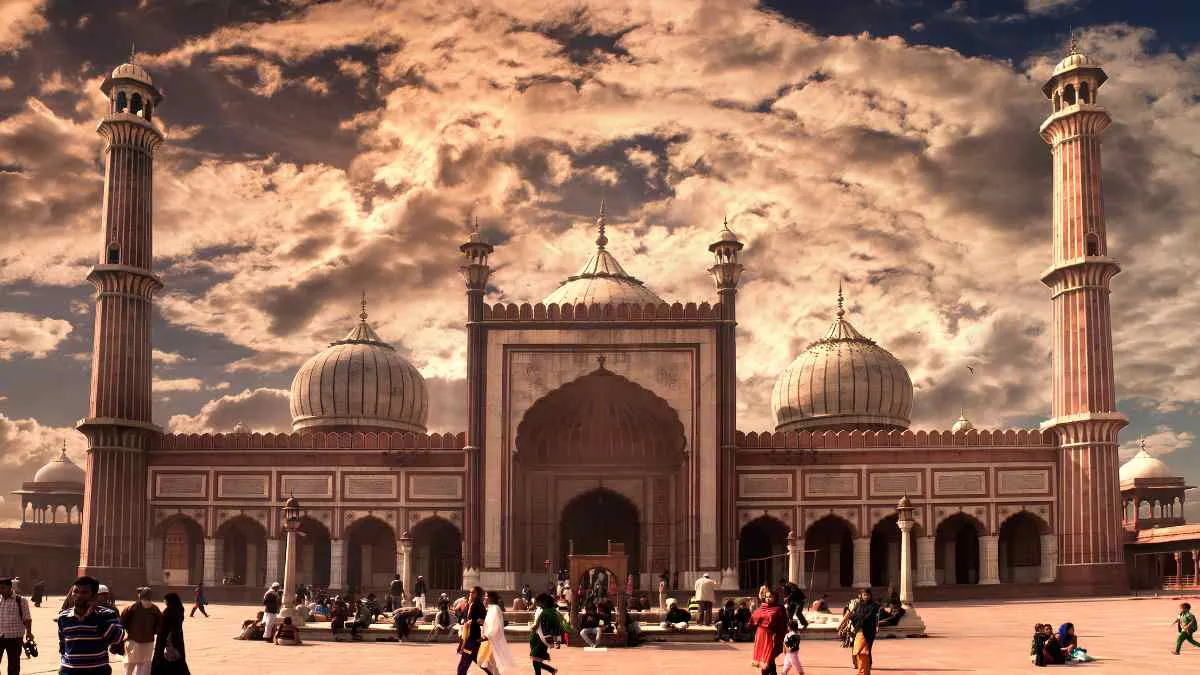
One of the greatest empires in Indian history, the Mughal Empire emerged in the 16th century. With its authority as a major power, it grew widely across the Indian subcontinent. Having a strong militaristic power, well-trained army, and an effective system of government allowed the empire to thrive.
The Mughal dynasty's rulers were known as generous patrons of the arts, including architecture, education, and literature, thereby creating a dynamic blend of Arabic, Persian, Central Asian, and Indian cultural elements. Scholars, poets, artists, and other intellectuals from around the world visited the Mughal court to share and contribute their knowledge and creativity.
In addition to providing artistic contributions to medieval India, the Mughal Empire was also instrumental in shaping the languages, cultures, and governing practices in medieval India, particularly in Delhi and Agra.
What Was the Official Language of the Mughal Empire?
Persian served as the formal tongue of the Mughal Empire and was utilized by all of the state/institutional branches, including royal courts. The use of Persian continued throughout most, if not all, of the Mughal period in the form of government and legal documentation, literature/poetry, and diplomatic relations.
Due to their lineages' Central Asian or Timurid backgrounds and the high regard held for Persian culture within those geographic regions, the Mughal emperors chose to adopt and implement Persian as their language. Therefore, many of the major poets, scholars, and historians who resided or worked in the imperial court wrote in Persian, which ultimately allowed this language to grow and thrive in India.
While Persian was pursued as the formal language, many regional languages/dialects continued to be read by commoners. Eventually, Persian influenced the formation of Urdu; thus, it also contributed greatly to expanding the existing body of literature or poetry in India.
Interesting Facts About the Official Language of the Mughal Empire
1. Persian Was the Court Language
The Mughal Empire officially recognized Persian as the administrative, literary, diplomatic and royal communications language. The Mughal Emperors, such as Akbar and Shah Jahan, worked hard to promote and improve the culture of Persia. This was the court language of the Mughals, and it was used for all of the government records. All farmans (royal orders) and poetry were written in Persian, thus establishing Persian as the most cultured and intellectual language throughout the entire empire.
2. Persian Influenced Urdu Greatly
The blending of the local Indian population with the Persian-speaking elite created the basis for what would eventually become the Urdu language. As Urdu was being created, it adopted and incorporated the Persian language through the Persian vocabulary, script and literary style, while also integrating with Hindi and other regional dialects. This blending of cultures created one of the longest lasting contributions of the Mughal Empire to South Asia's cultural and linguistic heritage.
3. Persian Connected the Mughals Internationally
Across Central Asia, Iran and much of the Islamic World, Persian was commonly spoken. Therefore, it helped create and maintain diplomatic and cultural relationships between the Mughals and these regions.
Additionally, most of the Mughal Rulers were of Central Asian descent; therefore, they had an innate understanding and familiarity with the Persian language. As a result, Persian acted as a global language and was able to link the Emperors of the Mughals, their scholars, traders, poets and political leaders with each other beyond the borders of India.
4. Mughal Literature Flourished in Persian
Persian literature, poetry and history thrived during this time period, illustrating a period of rapid growth for these art forms. The Akbarnama, written by Abu'l-Fazl ibn Mubarak, was probably the most well known work produced in this style. Persian became the written form used for history, philosophy, art and science, as well as every other subject that was created during the golden age of the empire.
5. Persian Declined Under British Rule
Although Persian was the official language of the Mughal empire for hundreds of years, when the British took over they replaced the language in 1837 with English, causing significant change in the use of Persian for administrative purposes, and dramatically changing the historical record of the Mughal empire.
Despite its decline, the Persian language has continued to influence Urdu and Hindi, their contemporary development, and throughout the history of India in literature, architecture and traditional forms of cultural expression.

Ayukta Zisha is an education journalist with over three years of experience in digital media. A graduate of St. Xavier’s College, she holds a Master’s degree in English along with a certification in Digital Marketing from IIT Delhi. Backed by a strong academic foundation in the humanities, she specializes in creating educational and general knowledge content across history, geography, literature, and current affairs. During her tenure at Jagran Josh, she worked extensively on U.S. news and global developments, curating informative and engaging content for a diverse readership. Her subject expertise and ability to simplify complex topics enable her to make complex information accessible to a wide audience. Beyond journalism, Ayukta is an avid reader and a published author.


-1783868010504_t.webp)
-1783866490114_t.webp)

![Rajasthan 2nd Grade Teacher Exam Analysis [LIVE] 2026: राजस्थान सेकंड ग्रेड टीचर परीक्षा विश्लेषण, यहां देखे लाइव अपडेट्स](https://img.jagranjosh.com/images/2026/July/1272026/Rajasthan-2nd-Grade-Teacher-Exam-Analysis-[LIVE]-2026.jpg)