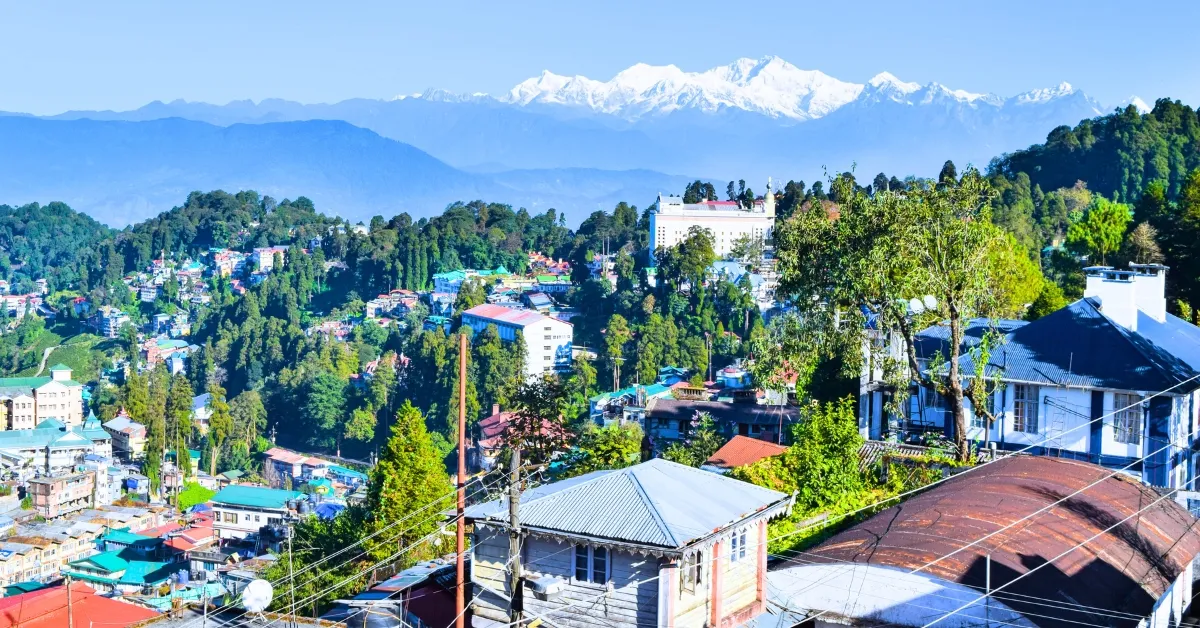
Old Name of Darjeeling: India has a rich history filled with ancient stories. Over the centuries, many well-known cities and regions have changed their names. These names often reflect the rulers or cultures from the past. For example, Patna was once called Pataliputra. Chennai used to be known as Madras, and Varanasi is still called Kashi in many old texts. Do you know the old name of the beautiful 'Queen of the Hills'? In this article, we will explore the interesting history and original name of Darjeeling.
ALSO READ| What is the Old Name of Mount Everest?
What is the Old Name of Darjeeling?
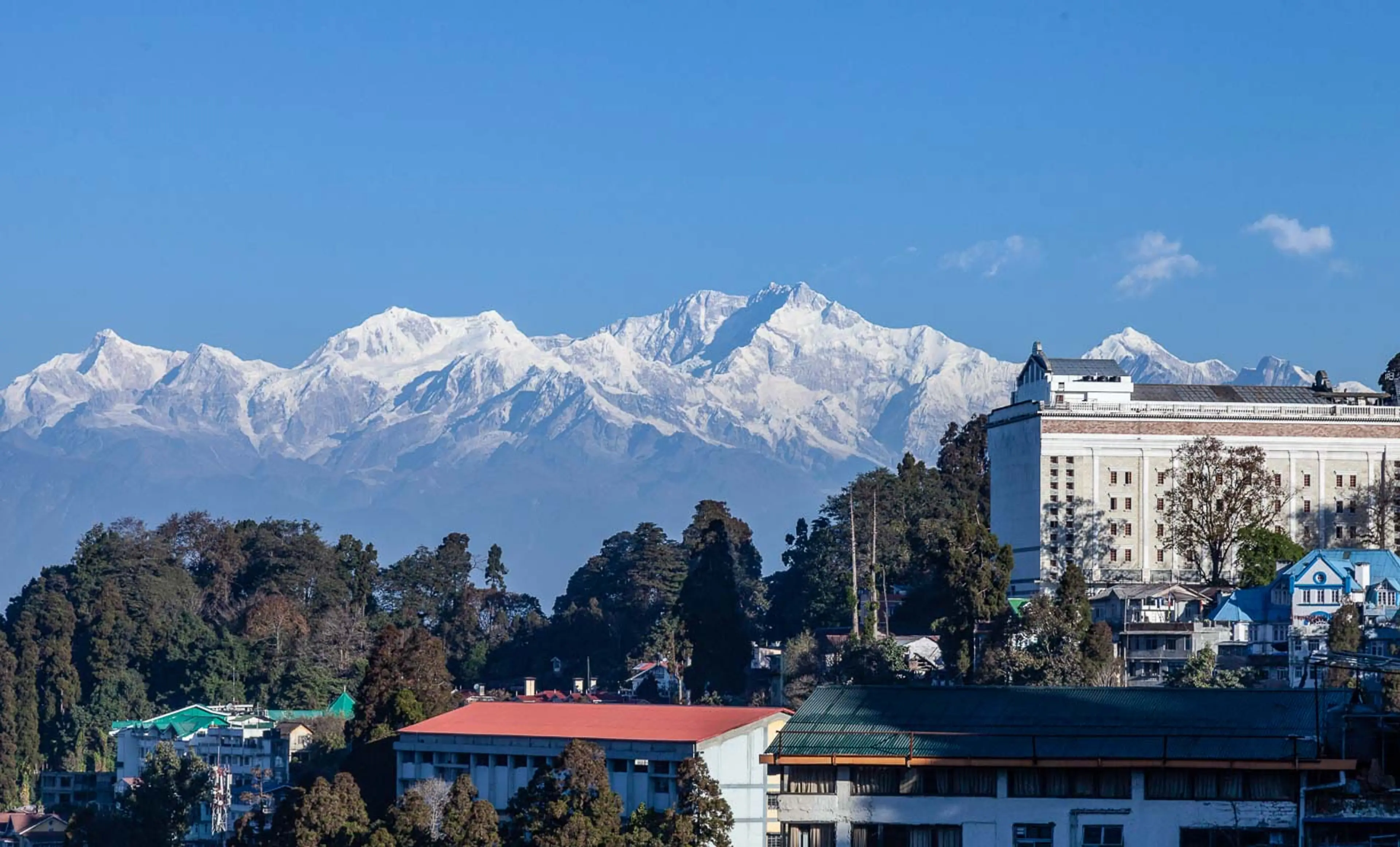
The name Darjeeling has evolved through local dialects and colonial transitions. Here is a breakdown of its historical journey:
- Dorje-ling (Ancient Origin): The most widely accepted old name is Dorje-ling. In the Tibetan language, "Dorje" means "thunderbolt" (originally the sceptre of the Hindu deity Indra), and "Ling" means "place" or "land". Thus, it was known as the "Land of the Thunderbolt".
- The Monastery Connection: This name was specifically attributed to the Buddhist monastery atop Observatory Hill, which was built in 1765. This site remains sacred and serves as the root of the city’s identity.
- The Gorkha Occupation (1780s): Before the British arrived, the region was part of the Kingdom of Sikkim but was frequently contested and occupied by the Gorkhas of Nepal during the late 18th century.
- The British Acquisition (1835): The East India Company officially took control of the area on February 1, 1835, via a Deed of Grant signed by the Raja of Sikkim.
- Anglicisation: Under British administration, led by Arthur Campbell and Robert Napier, the Tibetan "Dorje-ling" was phonetically changed to the English version, Darjeeling, to make it easier for colonial officials to pronounce.
5+ Lesser-Known Facts about Darjeeling
- Darjeeling sits on the "young" Himalayas. Science proves these peaks are still rising every year due to shifting tectonic plates.
- The local Cryptomeria trees release natural oils called phytoncides. Breathing this forest air is scientifically proven to lower stress and boost your immunity.
- High altitude and dense greenery create air rich in pure oxygen and ozone. In the 1800s, doctors officially prescribed Darjeeling’s air to heal recovering soldiers.
- The tea thrives in unique acidic soil filled with minerals. This soil actually dates back millions of years to the floor of the ancient Tethys Ocean.
- During the monsoon, the deep valleys come alive with bioluminescent fungi and insects. This natural chemical reaction creates a rare "glowing forest" effect at night.
- Due to the elevation, water boils at 93°C instead of 100°C. This lower temperature is the scientific secret to extracting the tea’s delicate, world-famous aroma.
What Was Darjeeling Called Before?
Before the British arrived, Darjeeling was called Dorje-ling, a Tibetan name meaning "Land of the Thunderbolt". This name comes from the sacred thunderbolt of the deity Indra, which people believed had fallen at the Buddhist monastery on Observatory Hill. Back then, the area was a peaceful, forested place where the Lepcha people lived under the rule of the Kingdom of Sikkim.
What Is Another Name For Darjeeling?

Darjeeling is often called the "Queen of the Hills" because of its stunning Himalayan scenery and green tea gardens. Historically and spiritually, people still use the name Dorje-ling. It is also known as the "Champagne of Teas", a name that celebrates its famous tea industry and the special muscatel flavour that comes from the region's landscape.
IN CASE YOU MISSED| What is the Old Name of Jharkhand?
Is Mt Everest Seen From Darjeeling?
Yes, you can see Mount Everest from Darjeeling, especially if you visit Tiger Hill. On a clear morning at sunrise, Everest’s peak (8,848m) appears between Mount Lhotse and Mount Makalu. Kangchenjunga is much closer and stands out more, but spotting Everest, the world’s highest peak, is a special treat for early risers.
Is Darjeeling Called The Queen Of Hills?
Darjeeling is often called the "Queen of the Hills". This name dates back to the British Raj, thanks to its beautiful scenery, cool weather, and wide tea gardens. The town’s colonial history, lively Himalayan culture, and views of the Kangchenjunga range make it one of India’s most famous hill stations.
What Language Do Darjeeling People Speak?
The most widely spoken language in Darjeeling is Nepali (also called Gorkhali), the primary medium of communication. Due to the region's diverse heritage, you will also hear Bengali, Hindi, and Tibetan. English is commonly understood and spoken in schools, hotels, and tourist areas, making it accessible for visitors from around the world.
WHAT'S NEXT| What Is The Old Name Of Jammu And Kashmir?