In the 1960s, as the world watched the "Space Race" , global leaders realised the vacuum of space could easily become a new arena for war to prevent this, the Outer Space Treaty (OST) was signed in 1967.
With the rise of private companies like SpaceX and Blue Origin, and international plans for permanent Moon bases, the rules of the road written nearly 60 years ago are more important and more challenged than ever before.
The Core Principles of Space Governance
The treaty is built on several "golden rules" designed to ensure that space remains a resource for everyone, rather than a battlefield for the few.
-
The Benefit of All: Exploration must be carried out for the benefit and in the interests of all countries.
-
No Sovereignty: No nation can claim "ownership" of the Moon or any other planet. You cannot plant a flag and claim the land as territory.
-
Weaponization Ban: States are strictly prohibited from placing nuclear weapons or weapons of mass destruction (WMDs) in orbit or on celestial bodies.
-
Peaceful Purposes: The Moon and other celestial bodies shall be used exclusively for peaceful purposes. Establishing military bases or testing weapons there is forbidden.
-
Liability and Responsibility: If a satellite falls or a rocket causes damage, the launching country is legally liable. Crucially, governments are also responsible for the actions of their private corporations.
Member Nations
The treaty was originally signed by the United States, the United Kingdom, and the Soviet Union (now Russia) in January 1967.
As of 2026, there are over 115 ratifying countries, including major spacefaring nations such as China, India, Japan, and the members of the European Space Agency (ESA).
New space nations, such as the UAE and various South American and African countries, have joined to ensure they have a seat at the table as orbital real estate becomes more crowded.
Why the Treaty Matters Today
Today, we carry more power in our pockets, and our reliance on space has changed. Here is why the treaty is still the headline of space news today:
1. Commercial Mining and Resources: The treaty stated that you can't own the Moon, but can you own the gold, platinum, or water ice you dig out of it? In 2026, this is the trillion-dollar question. Frameworks like the Artemis Accords attempt to bridge this gap, but the OST remains the baseline that prevents a "land grab" in the asteroid belt.
2. Space Debris and Sustainability: In the Low Earth Orbit (LEO) there are thousands of satellites but OST’s clause on "avoiding harmful contamination" is being used to advocate for better debris removal laws.
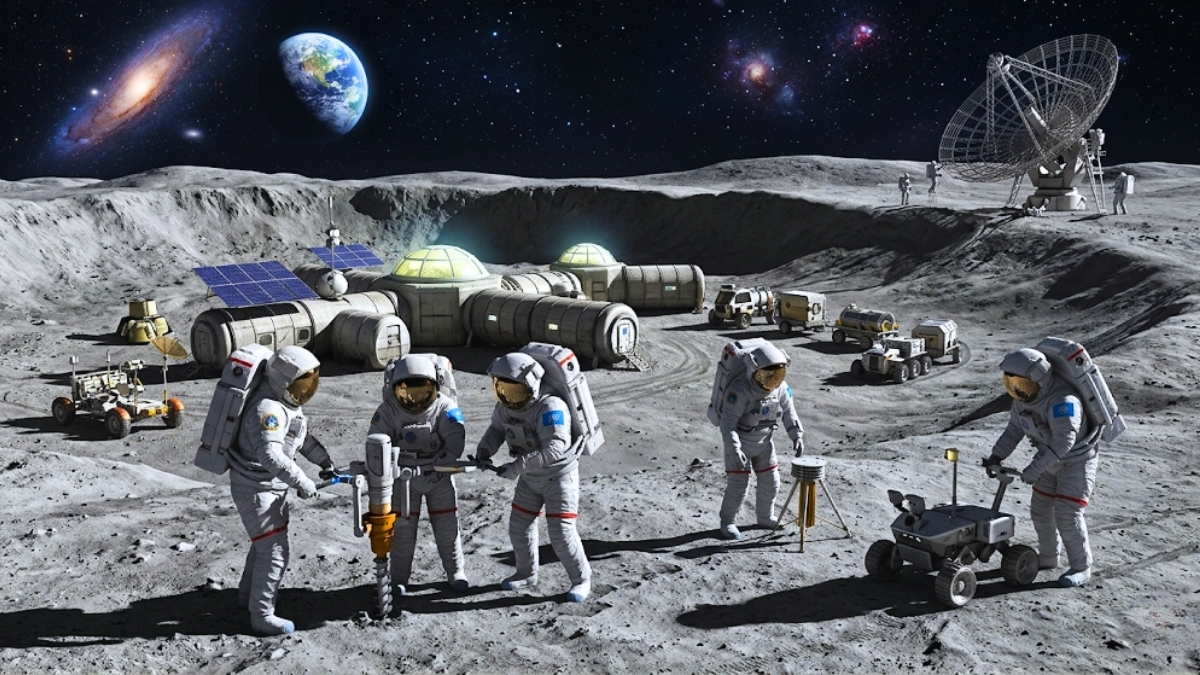
3. The New Lunar Economy: As nations prepare for "Lunar Gateway" stations and permanent habitats, the treaty’s ban on military bases ensures that these outposts remain scientific labs rather than fortresses. It provides the legal "safety net" that allows international rivals to work side-by-side on the lunar surface.
The Outer Space Treaty of 1967 is a testament to human foresight while it may need modern "updates" to address 21st-century technology, its heart remains the same: space belongs to no one and everyone. As we move toward becoming a multi-planetary species, these principles ensure that the stars remain a place of cooperation rather than conflict.



Comments
All Comments (0)
Join the conversation