When we think of museums nowadays, we picture large institutions with paintings, sculptures, and a variety of other exhibits related to history and culture.
We attend museums to educate ourselves on art and history. However, have you ever thought about the time when the idea of establishing museums emerged?
The process of collecting objects and exhibiting them is extremely ancient. The oldest known museum in the world dates back thousands of years. This type of institution was much different from those existing today, but served almost the same purpose.
The function of these ancient museums was also to preserve valuable objects and educate people. Studying the history of the oldest museum enables us to trace the long period of human desire to learn about everything happening around them.
Check Out: Why is Cricket Called the Gentleman's Game?
Which is the Oldest Museum in the World?
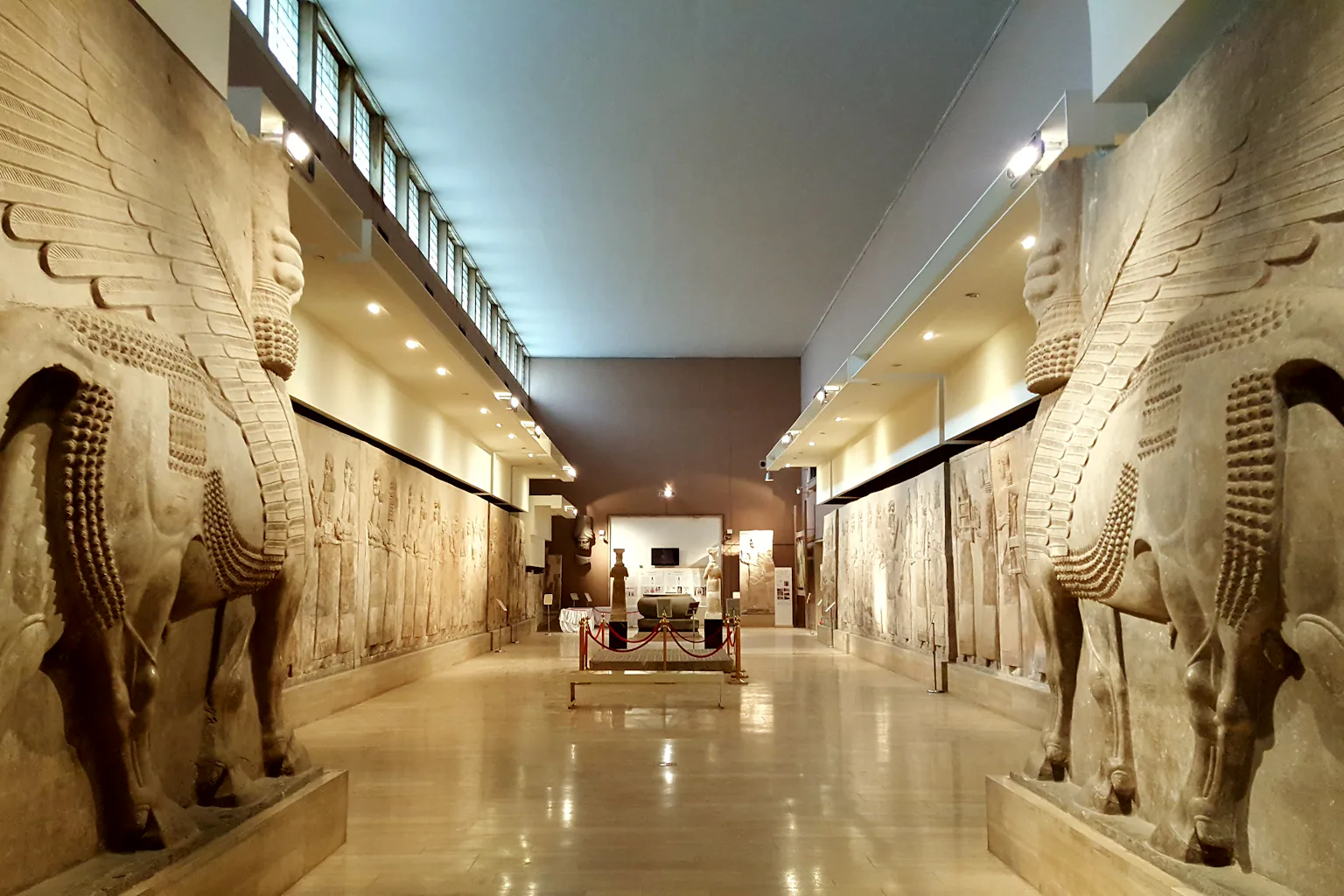
The oldest museum in the world is the museum of Ennigaldi-Nanna, around 530 BCE, in the ancient city of Ur.
It was opened by the princess, who was a daughter of the Babylonian King Nabonidus.
This museum was very different from the modern museums we see today.
It was located in a palace or temple area and contained a collection of ancient artifacts that were already old even at that time.
They included sculptures, utensils, and other relics of early Mesopotamian civilisations.
The most important thing about this museum is that the items were carefully arranged with descriptions written on clay tablets in several languages.
Thus, this institution served not just for storing the cultural heritage but also for its systematic learning.
This museum can be seen as evidence that people valued education and preservation even in ancient times because it reflects the importance of history.
History of the Oldest Museum in the World
The history of the oldest museum dates back almost 530 BCE, in ancient Mesopotamia.
It was founded by a lady named Ennigaldi-Nanna in the ancient city of Ur, located in contemporary Iraq.
Her father, King Nabonidus, greatly appreciated the history and archaeology of his country, and he was a strong influence on his daughter's passion for collecting objects.
It is noteworthy that all items placed in the museum were several centuries, and sometimes thousands of years old.
They belonged to earlier civilisations such as the Sumerians and the Akkadians.
It is remarkable because, unlike other museums, it was not just a random collection of items; they were chosen, classified, and displayed in accordance with certain purposes.
Clay tablets containing details about objects became an essential part of the exhibition and provided visitors with additional information about each item.
Unfortunately, this museum does not exist anymore, and there is only some archaeological evidence left after excavations.
Still today, it is recognised as the oldest museum in the world.
Interesting Facts about the Oldest Museum in the World
These are some interesting facts about the oldest museum in the world, established by Ennigaldi-Nanna at the ancient city of Ur:
-
Ennigaldi-Nanna is referred to as the oldest museum curator in the world, who not only collected but also exhibited objects in an organised manner.
-
It should be noted that many of the objects in this collection were quite old even when the museum opened. Also, some objects were hundreds or thousands of years old.
-
One of the most amazing facts about the museum is that the objects were labelled using clay tablets.
-
The labels had information about the object and were written in different languages.
-
Her father, King Nabonidus, is considered the pioneer archaeologist who studied ancient history.
-
The museum was established within a temple complex and was not an independent building like modern museums are.
-
The oldest museum in the world was excavated by archaeologists in the twentieth century.
Conclusion
Ennigaldi-Nanna's museum of Ur is known as the world's first museum.
The museum proves that people have always had the desire to collect information on the past, as well as the history of civilisations.
The museum had its own system of organising artifacts and displaying them with labels. Therefore, it is quite clear that people have always wanted to know more about their history.