Rice is considered by most to be a low-priced basic commodity that is purchased in bulk. However, there's one variety from Japan that commands a higher price than a fine steak or a bottle of aged wine. Yes, we are going to learn about the most expensive rice in the world. At the end of this article, you will get to know why this rice is called the most expensive rice variety in the world.
Most Expensive Rice in the World: The $109 grain that broke a world record
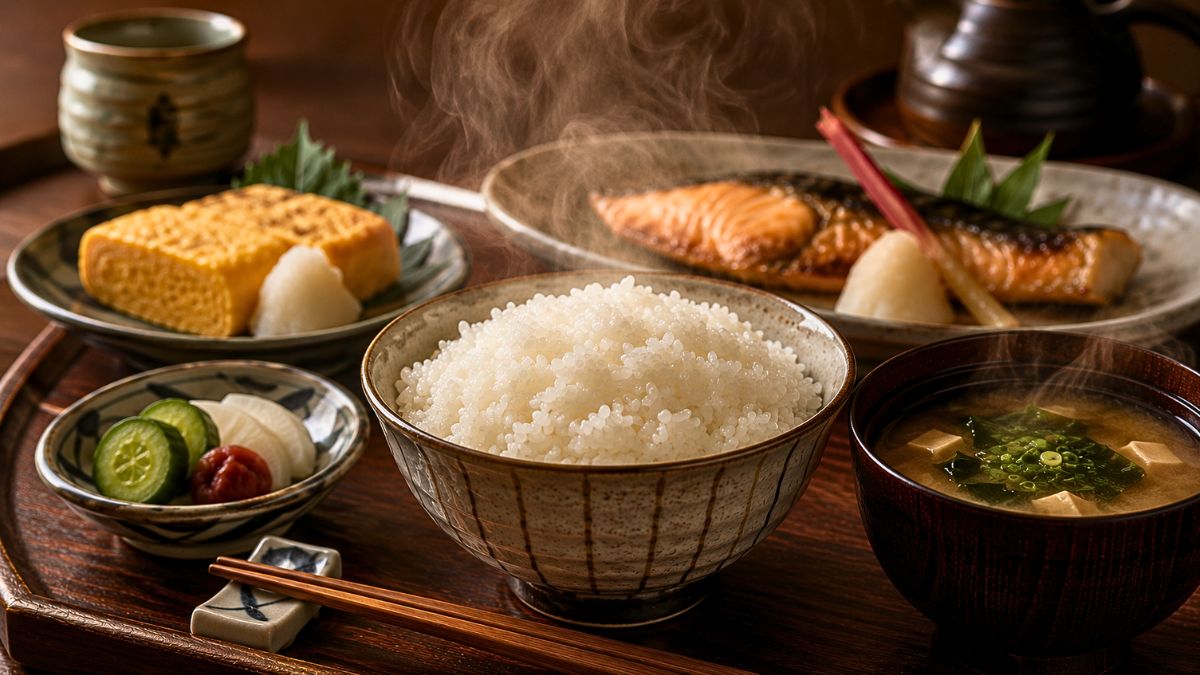
Kinmemai Premium rice is the world's most expensive rice. It is the record holder of the highest price paid for rice ever. It was awarded the title of the most expensive rice in the world by Guiness World Records in 2016, and it was priced at $109 per kilo at that time.
A bag of white rice costs $2 per kilogram at most, whereas Kinmemai Premium is priced at about $122 per kilogram. In Indian currency, it is roughly equivalent to ₹12000 in 2026. The cost of a pound of these grains is around $55.
It is a luxury product made by Toyo Rice Corporation, Japan. Not only do they grow a single type of plant. Rather, they mix five types of prize-winning rice from all over Japan.
The outcome is a grain that is sweeter, fluffier and better smelling than any other rice in the world. It's a product made for people who see food as a way of expression, not just a way to fill the stomach or provide fuel to the body.
Why this rice takes six months to reach your plate
The Kinmemai premium is costly because of the way it is handled after being harvested. Most rice producers mill and package their rice as soon as possible. The other way is much slower, as in the case of Toyo Rice Corporation. The rice is kept for six months before they even start milling.
This maturing period enables the internal flavours of the rice grain to develop and intensify. This is a similar technique that is used to mature fine quality cheeses or beef. During the six months maturing phase, the rice quality and texture improve, which results in a grain that holds its shape on outside and is creamy on the inside when cooked.
This specific rice variety is cultivated by farmers in areas such as Niigata Prefecture's Minamiuonuma city and Nagano Prefecture. These regions are renowned for their purity of water and fertility of soil. Toyo Rice Corporation is only able to choose the best crops from these areas each year. The supply is limited, which naturally inflates the price.
The secret layer that most rice mills destroy
When people hear the term "white rice," they think of the inside of the grain. But there is a small, invisible layer that lies between the brown, outer covering and the white center. This is known as sub-aleurone layer. This layer is removed during the milling process in standard white rice.
The patented milling technique of Kinmemai Premium preserves this layer. The rice stores its most intense flavours in the sub-aleurone layer. It also has the "umami" compounds which give Japanese cuisines their flavor. It is this layer that allows the company to have a natural sweeter grain than the standard rice.
This layer also enhances water absorption in the rice, the Toyo Rice Corporation said. This means you won't have to wash the rice before cooking it. Indeed, washing it would actually take off the flavors you paid so much for to enjoy. The no wash feature is a characteristic of top-notch Japanese rice technology.
What makes this rice so expensive?
The main reason for the high cost is the technology utilized in the factory. A lot of friction is used in the standard rice milling process. This heat can cause injury to the nutrient content of the grain. Toyo Rice Corporation has a “de-waxing” process which removes only the waterproof wax layer on the surface of the grain gently.
This process is very technical. It involves machinery that can be programmed to detect the thickness of the wax on each individual grain. The machines do not affect the sub-aleurone layer so that the rice remains more nutritious.
Laboratory tests demonstrate Kinmemai Premium has 6 times more lipopolysaccharides than normal rice. These are naturally occurring ingredients which aid the immune system of the human body.
The rice also has significantly more Vitamin B1, Vitamin B6 and Vitamin E, according to research published by the Japanese Society for Food Science and Technology that indicates that these nutrients are better preserved when the sub-aleurone layer is not destroyed.
This makes it a useful health food, rather than just a simple carbohydrate. This mixture of cutting-edge engineering and nutritional science definitely deserves the hefty price tag.
If you think luxury rice is rare, read about the world's most expensive spice, which is still harvested by hand.
Check out some more interesting articles from the general knowledge section to boost your knowledge of national and international topics. Stay connected with Jagran Josh for more topics like this.