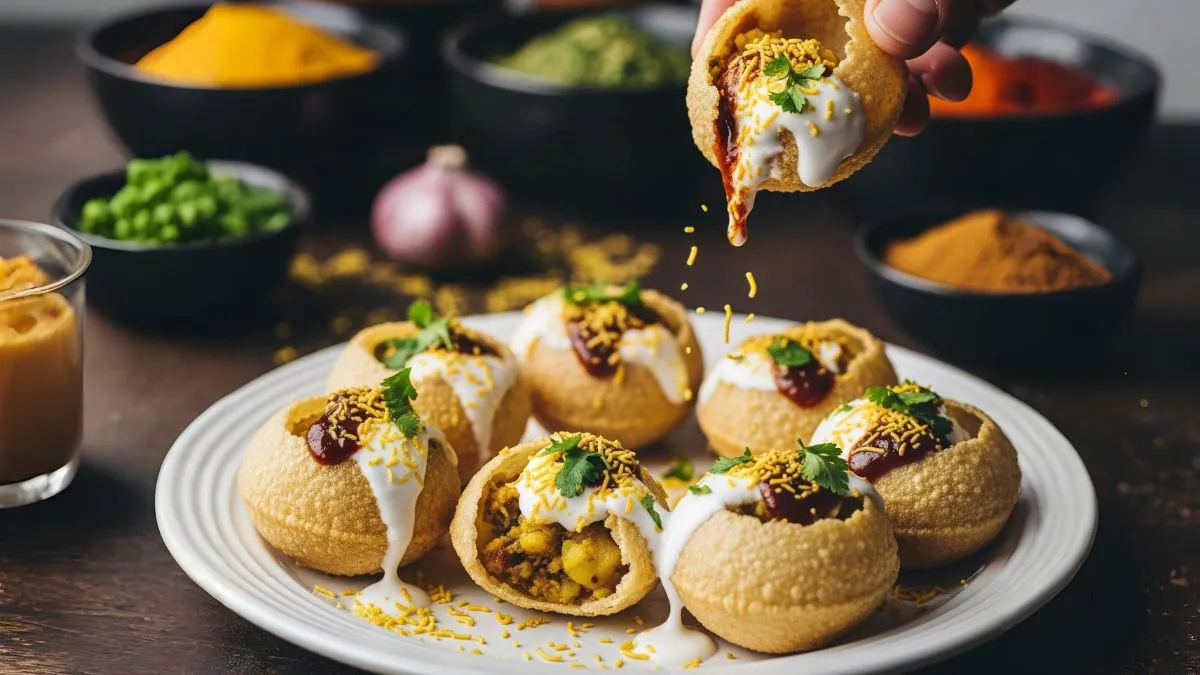
Pani puri is one of the most popular street foods in India known for its spicy, tangy, and refreshing taste. The dish consists of crispy hollow puris filled with flavored water, chutneys, and mashed fillings. Different states in India use different names and preparation styles for pani puri. Regional ingredients and spice preferences create unique variations. The dish remains an important part of Indian street food culture.
Golgappa — North India
In states such as Delhi, Punjab, and Haryana, pani puri is commonly called “golgappa.” The name refers to the round crispy puris used in the dish. Golgappa water is usually spicy and tangy. Potato and chickpea fillings are widely used. It is one of the most popular street snacks in North India.
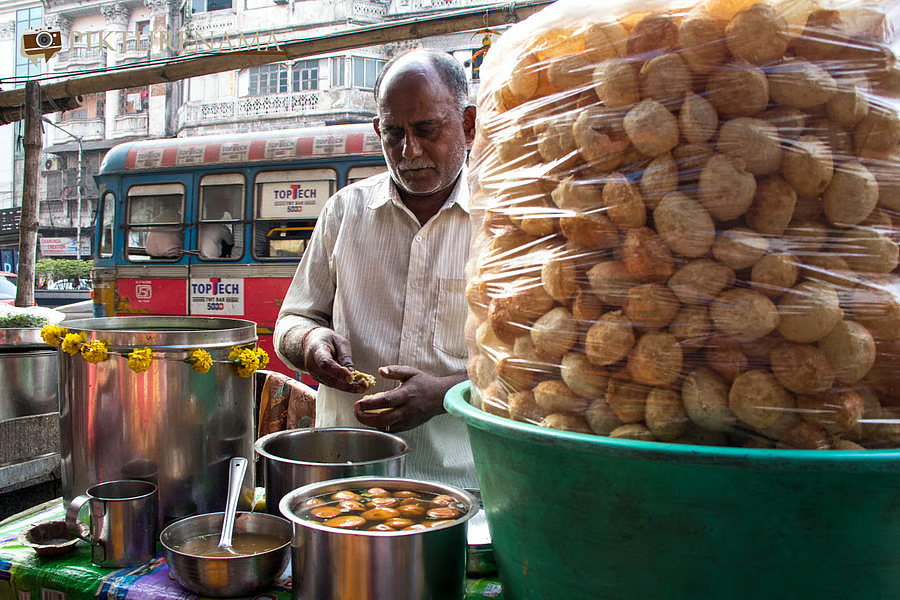
Puchka — West Bengal and Eastern India
In West Bengal and nearby eastern regions, the dish is known as “puchka.” Puchka usually has a spicier and tangier flavor compared to golgappa. Tamarind pulp and mashed potato filling are commonly used. The puris are often crunchier and smaller. Puchka is strongly connected with Kolkata’s street food culture.
Pani Puri — Maharashtra and Gujarat
In Maharashtra and Gujarat, the dish is widely known as “pani puri.” Sweet chutney is often added along with spicy flavored water. Ragda fillings made from white peas are also common in some regions. Mumbai street food culture helped popularize this version.
Gup Chup — Odisha and Chhattisgarh
In Odisha and Chhattisgarh, pani puri is commonly called “gup chup.” The dish is usually served with flavored water and mashed potato filling. Regional spice mixes influence the taste. Gup chup stalls are commonly found in local markets.
Pakodi — Some Central Indian Regions
Certain regions of central India refer to pani puri as “pakodi.” The preparation style remains similar, though spice levels and fillings may differ. Local ingredients create slight flavor variations. The dish remains popular as an evening snack.
Regional Variations of Pani Puri
Different states prepare pani puri using unique combinations of spices and fillings. Some versions are sweeter, while others are more spicy or sour. Mint water, tamarind water, and hing-flavored water are commonly used. Regional street food traditions influence preparation methods. These differences increase the dish’s popularity across India.
Interesting Facts About Pani Puri
Popular Street Food Across India
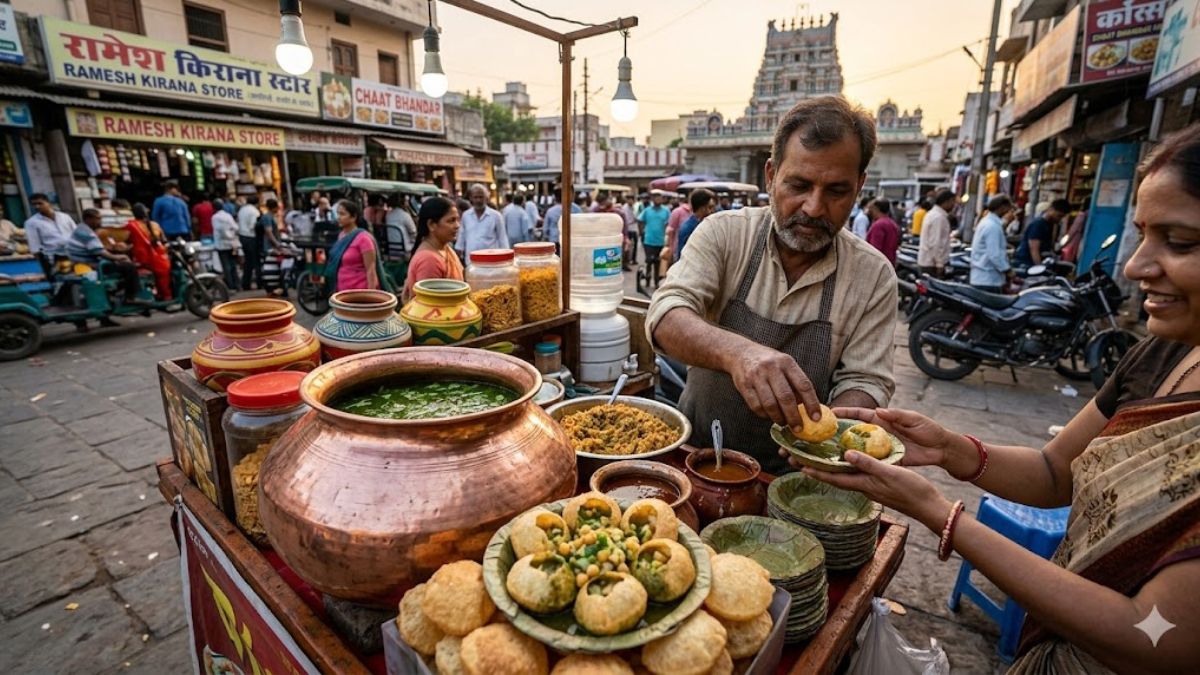
Pani puri is sold in almost every major Indian city. Street vendors prepare it fresh in front of customers. Its affordability and flavor contribute to mass popularity.
Different Names in Different States
The dish has multiple names such as golgappa, puchka, pani puri, and gup chup. Regional languages and food traditions influenced these names.
Combination of Multiple Flavors
Pani puri combines spicy, tangy, sweet and salty flavors in one bite. Chutneys and flavored water create unique taste combinations.
Crispy Puris Are Essential
The crispy hollow puri is the most important component of the dish. Freshly fried puris improve texture and taste.
Strong Street Food Identity
Pani puri is strongly associated with Indian street food culture. Food markets and roadside stalls widely sell the dish throughout the day.
Read more: Which City Is Known as the Dosa Capital of the World?