Key Points
- Madagascar is the largest producer of natural vanilla globally.
- Vanilla farming is labor-intensive, requiring hand-pollination.
- Vanilla is a top export, supporting Madagascar's economy.
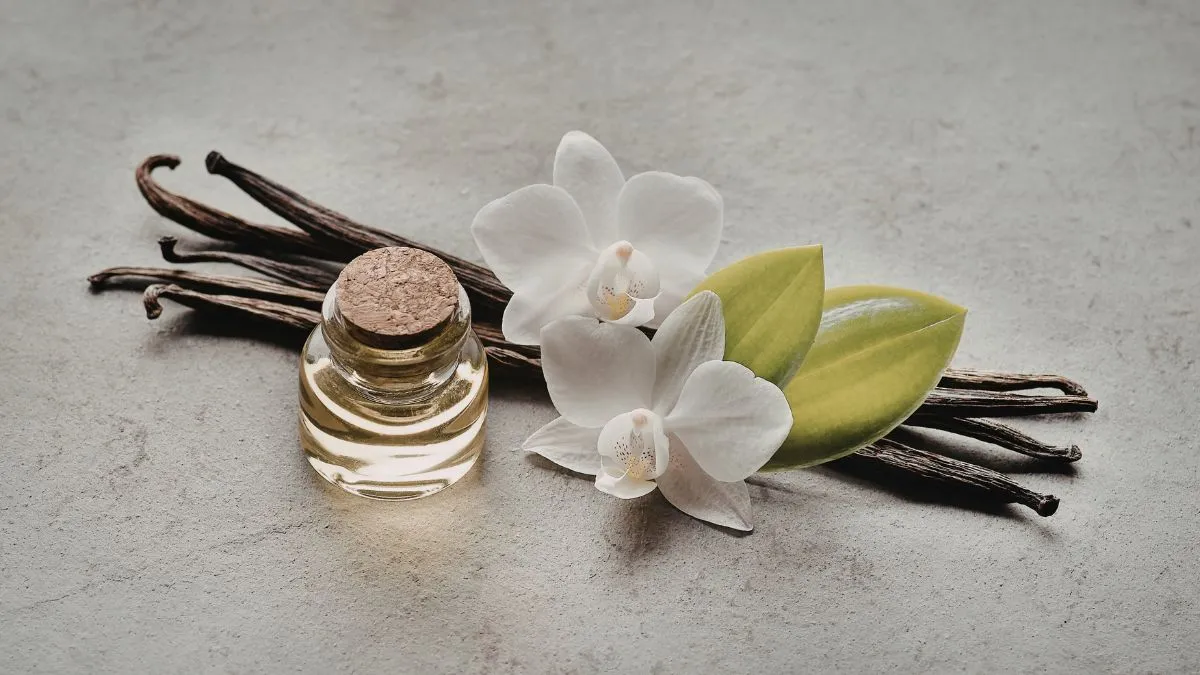
Vanilla is one of the most valuable and aromatic spices in the world. Known for its rich flavour and sweet fragrance, it is widely used in desserts, perfumes, cosmetics, and beverages. Although vanilla is grown in several tropical countries, one nation dominates global production and is famously called the Land of Vanilla.
Land of Vanilla
Madagascar is known as the Land of Vanilla. The island nation produces the majority of the world’s natural vanilla and is globally recognised for its high-quality Bourbon vanilla. Due to its consistent output and superior aroma profile, Madagascar has earned a permanent identity in the global spice market.
Why Is Madagascar Called the Land of Vanilla?
Madagascar receives this title because it is the largest producer and exporter of natural vanilla in the world. The country contributes a significant share of global vanilla supply, particularly Bourbon vanilla, which is considered premium quality. Vanilla cultivation plays a crucial role in Madagascar’s agricultural economy.
-1770789618137.jpg "vanilla")
Largest Producer of Vanilla in the World
Madagascar is the largest producer of vanilla in the world. It accounts for more than half of global natural vanilla production in most years. The northeastern region of the country, especially the Sava region, is the primary vanilla-growing area due to ideal climatic conditions.
Climate and Soil Conditions for Vanilla Cultivation
Vanilla requires warm temperatures, high humidity, and regular rainfall. Madagascar’s tropical climate provides the perfect environment for vanilla orchids to thrive. Fertile soil, shade from taller trees, and careful farming practices contribute to high-quality bean production.
Vanilla Cultivation Process in Madagascar
Vanilla farming is labour-intensive. Each flower must be hand-pollinated because the natural pollinating bee species is absent in Madagascar. After harvesting, vanilla beans undergo a curing process that can take several months. This curing enhances flavour, aroma, and market value.
Economic Importance of Vanilla in Madagascar
Vanilla is one of Madagascar’s most valuable export commodities. It supports the livelihoods of thousands of small-scale farmers. Revenue from vanilla exports contributes significantly to the national economy and foreign exchange earnings.
Interesting Facts About the Land of Vanilla
Bourbon Vanilla Origin
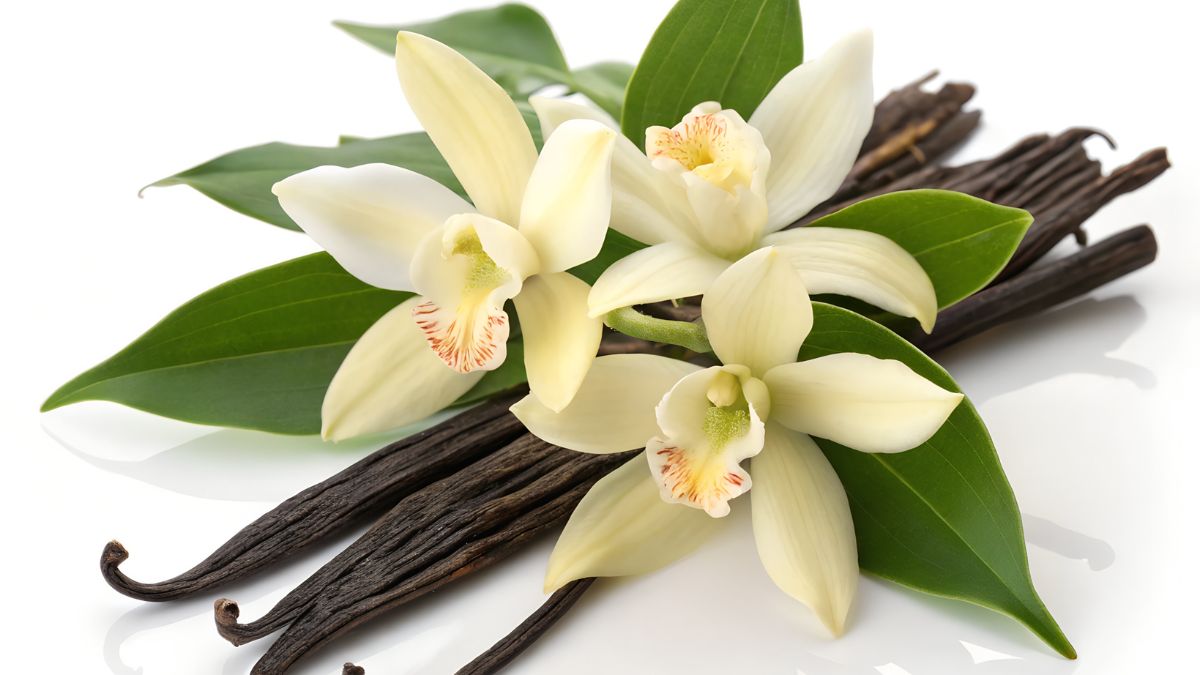
Madagascar vanilla is known as Bourbon vanilla, named after the former name of nearby Réunion Island. It is not related to bourbon whiskey but refers to the vanilla variety grown in the Indian Ocean region.
Hand-Pollination Technique
Every vanilla flower in Madagascar is pollinated by hand using a small stick or needle. This delicate process must be completed within a few hours of the flower blooming, making vanilla one of the most labour-intensive crops in the world.
Price Fluctuations
Vanilla is one of the most expensive spices globally, second only to saffron in many years. Cyclones or crop damage in Madagascar can significantly impact global vanilla prices.
Long Curing Process
After harvesting, vanilla beans are cured for several months through drying and fermentation. This process develops the characteristic dark colour and rich aroma that makes Madagascar vanilla highly valued worldwide.
Major Export Crop
Vanilla is among Madagascar’s top agricultural exports. It plays a key role in supporting rural communities and strengthening the country’s position in global spice trade.
Read more: Which City Is Known as the Wool Capital of the World?
Madagascar is known as the Land of Vanilla because it leads global vanilla production and supplies premium-quality Bourbon vanilla to international markets. Keep reading for more such topics.



Comments
All Comments (0)
Join the conversation