Show Key Points
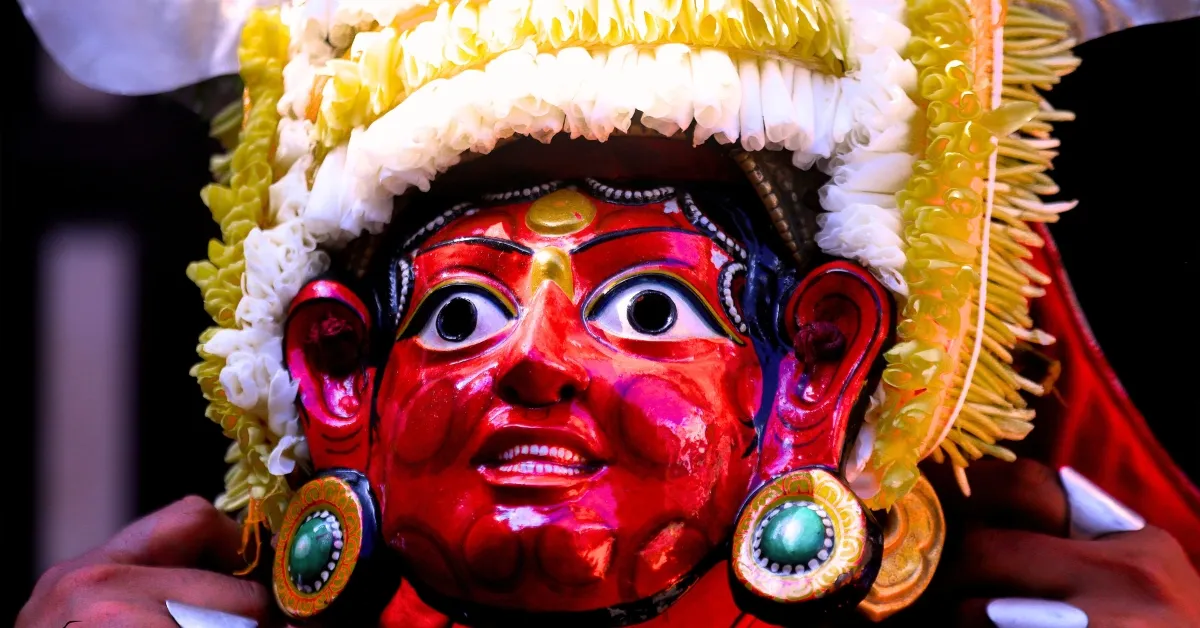
The "Dance of Masks" refers to Chhau, a powerful tribal martial dance from Eastern India. It is famous for its vibrant energy and the highly expressive masks worn by the performers.
Chhau began in the military camps of ancient Odisha, Jharkhand, and West Bengal. Soldiers used the dance to keep fit and practise fighting skills. Eventually, it became a way to tell stories.
However, did you know that one style of this dance is performed without masks? In this article, we'll explore the hidden history of Chhau, its three main styles today, and why UNESCO has designated it a World Heritage Treasure.
ALSO READ| Which Dance Form is Known as the 'Ballad of the East' of India?
Which Dance Is Known As Mask Dance?
Source: West Bengal Tourism
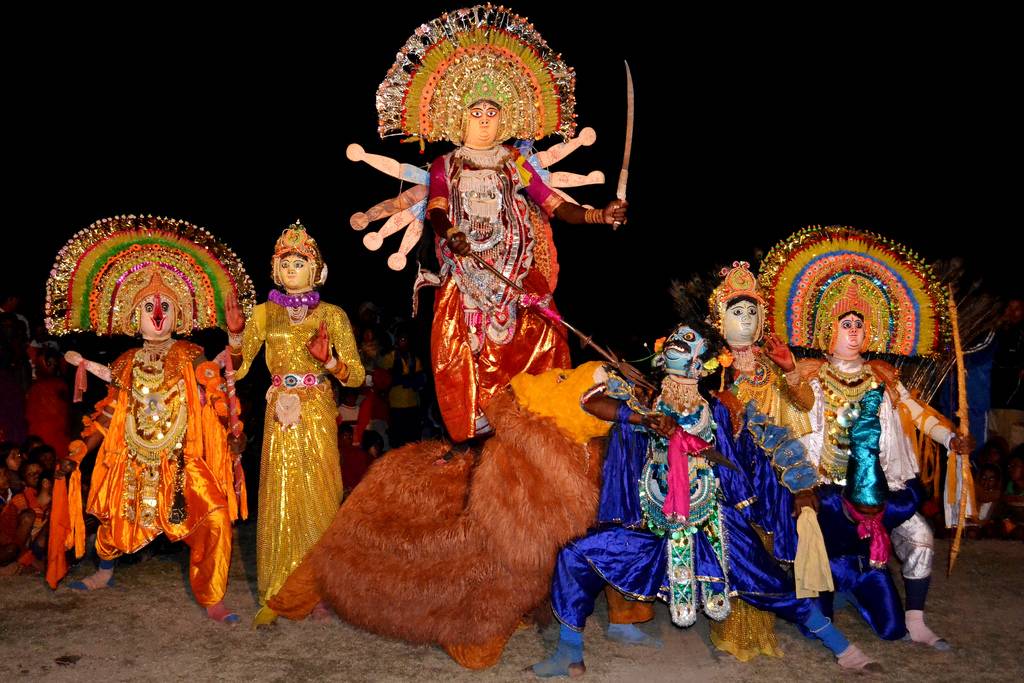
Chhau, often called the "Dance of Masks", is a lively semi-classical dance from Eastern India. It began in the 18th century as martial arts training for soldiers in military camps.
Over the years, Chhau developed into a storytelling dance in three main regions: Seraikella in Jharkhand, Purulia in West Bengal, and Mayurbhanj in Odisha.
Chhau has a rich legacy. In 2010, UNESCO added it to the Representative List of the Intangible Cultural Heritage of Humanity. Dancers wear elaborate masks to portray characters from the Mahabharata and the Ramayana.
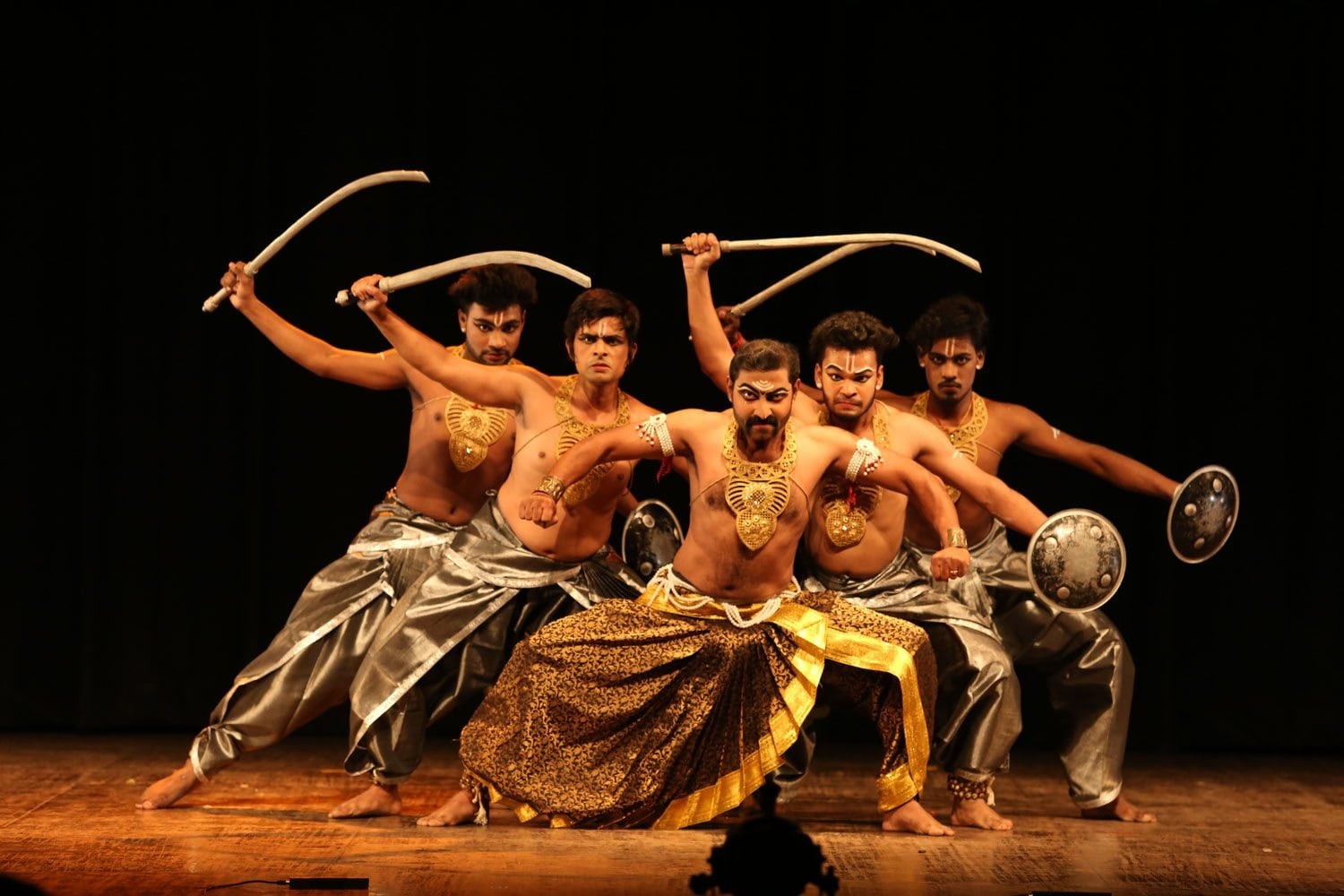
Chhau is a physically demanding dance with high jumps and full spins. The Seraikella and Purulia styles use masks, but the Mayurbhanj style does not.
7+ Lesser-Known Facts About Chhau Dance
- In 2010, Chhau was officially added to UNESCO's Intangible Cultural Heritage list due to its deep roots in indigenous culture.
- The name "Chhau" is derived from the Sanskrit word "Chhaya" (shadow) or the Odia word "Chhauni", meaning military camp.
- The dance is accompanied by the Dhumsa, a massive kettle drum. Its low-frequency vibrations are designed to be heard over 1-2 kilometres in open fields.
- Many masks are made using the Mitti-Gara technique, utilising local alluvial soil and paper-mâché, making them biodegradable and eco-friendly.
- Traditionally, Chhau was performed only by men. However, in recent decades, female troupes have emerged, breaking a 200-year-old male-dominated tradition.
- It is primarily performed during Chaitra Parva, a spring festival that marks the end of the agricultural cycle in the Hindu calendar.
- Studies of Chhau dancers show that they achieve peak heart rates similar to those of elite athletes, as the masks restrict oxygen intake during high-intensity leaps.
- There are exactly 3 main styles: Seraikella (Jharkhand), Purulia (West Bengal), and Mayurbhanj (Odisha). Only the first two use masks.
YOU MIGHT LIKE| List of Indian Classical Dances and Their States of Origin
What are The Three Schools of Chhau?
A Chhau dancer is known as a Chhau Nartaka. The masks, called Chhau Mukhiya or Chhau Mukha, are handmade from clay and papier-mâché. These masks depict characters such as Shiva, Durga, Ganesha, and various demons and animals from ancient Indian stories.
| Style | Region | Use of Masks | Distinct Feature |
| Seraikella Chhau | Jharkhand | Yes | Uses symbolic, stylised masks to show emotions. |
| Purulia Chhau | West Bengal | Yes | Famous for high leaps and acrobatic "Girga" spins. |
| Mayurbhanj Chhau | Odisha | No | Focuses on complex body movements and footwork. |
- Seraikella (Jharkhand): This style was once supported by the local royal family. The masks are usually pale and delicate and often symbolise ideas such as the "Moon" or "Night".
- Purulia (West Bengal): This version is the most dramatic. The masks are large and heavy, and some have several heads for characters like Ravana. It has strong roots in Santhal tribal culture.
- Mayurbhanj (Odisha): Although it is usually called the "Dance of Masks", this style changed to show facial expressions directly. People often compare it to a "living martial art".
Did You Know?
A Purulia Chhau dancer wears a mask that weighs between 2 and 5 kilograms. Jumping and moving with this extra weight requires great core strength and balance, which is why this folk dance is so physically demanding.
IN CASE YOU MISSED| Which is the Oldest Dance Form in the World?
List of Other Famous Dance Forms Using Masks

Chhau is a striking example of the 'Dance of Masks’. It belongs to a worldwide tradition where masks help tell stories, connect with spirits, and keep history alive.
| Rank | Dance Form | Country | Key Highlight |
| 1 | Noh | Japan | The oldest major theatre art still performed today. |
| 2 | Topeng | Indonesia | Masks represent heroes, kings, and ancient myths. |
| 3 | Cham | Bhutan | Performed by monks to drive away evil spirits. |
| 4 | Talchum | South Korea | A mix of dance, song, and social satire. |
| 5 | Zaouli | Ivory Coast | Known as the most "impossible" and fastest dance. |
| 6 | Khon | Thailand | Features elaborate masks of gods and demons. |
| 7 | Diablada | Bolivia | The "Dance of the Devils" with huge, scary masks. |
| 8 | Venetian Carnival | Italy | Historical ball dances with elegant half-masks. |
| 9 | Egungun | Nigeria | Masked dancers represent the spirits of ancestors. |
| 10 | Hahoe Byeolsingut | South Korea | Features unique wooden masks with moving jaws. |
1. Noh (Japan)
Noh is a traditional Japanese dance-drama that began in the 14th century. The masks, known as Noh-men, are carefully carved from a single piece of wood. Their expressions can shift from happy to sad depending on how the dancer tilts their head.
2. Topeng (Indonesia)
"Topeng" is the Indonesian word for "mask". In this dance, performers share stories about legendary kings and heroes from the 17th century. The dancers wear bright masks and move to the rhythms of a Gamelan orchestra.
3. Cham (Bhutan)
Cham is a religious dance performed by Buddhist monks at festivals known as Tshechus. The dancers wear masks representing wrathful deities and animals.
This tradition goes back to the 8th century, and many believe that watching the dance helps cleanse the soul of sins. The dancers move with strong, heavy steps, while long trumpets and drums play in the background.
Conclusion
In conclusion, the "Dance of Masks" is more than just a performance. It connects us to our ancestors in a living way. Whether it is the energetic moves of India's Chhau or the quiet focus of Japan's Noh, these masks let people become gods, heroes, and spirits. They bring stories to life and help keep each culture's identity strong.
WHAT'S NEXT| List of Folk Dances of Different States in India



Comments
All Comments (0)
Join the conversation