The current competitive academic world has exposed students taking board examinations and entrance tests like JEE, NEET, CAT or UPSC to a lot of pressure. Motivation turns out to be a source of stress due to expectations, be it personal, parental or even in the society. Exam times are marred with anxiety, lack of concentration, sleeping disorder, and emotional exhaustion.
Exam stress has both physical and mental impacts. The most common symptoms of high load include headache, low immunity, digestive problems, and constant fatigue. Ironically, students will in turn react by studying more hours, getting less sleep, minimizing physical activity and wasting a lot of time in front of screens. This habit in the long run leads to less productivity rather than increased productivity.
Exam Stress Understanding and Management
Moderate stress also enhances consciousness and performance. The problem is that stress affects memory, the ability to make decisions, and emotional balance in an uncontrolled way, and these are the skills that should be used during exams. It is not aimed at removing stress completely, but to cope with it using healthy habits.
Pragmatic Student Strategies
- Written study plans: It is better to divide the syllabus into the achievable goals on a daily basis to avoid panic at the end of the day and to gain confidence.
- Plentiful sleep: Necessary sleep enhances memory consolidation and focus.
- Healthy nutrition and hydration: A healthy diet helps to support the brain and even the energy levels.
- Frequency of break: Frequent pauses between study will refresh the brain and enhance retention.
- Body movement: Stretching, light physical activity or breathing exercises relax the nervous system.
- Open communication: Communication with teachers, parents or friends can eliminate emotional load and isolation.
- Minor and repeated practices can be the most helpful in high-stress times
Reuniting with Nature to achieve Emotional Balance
Contemporary academic life is more indoor and screen-driven. People can be exposed to the natural environments so subtly that it elevates the level of stress. Environmental psychologists have also found that spending time in green areas can reduce stress hormones, lift mood, and regain concentration.
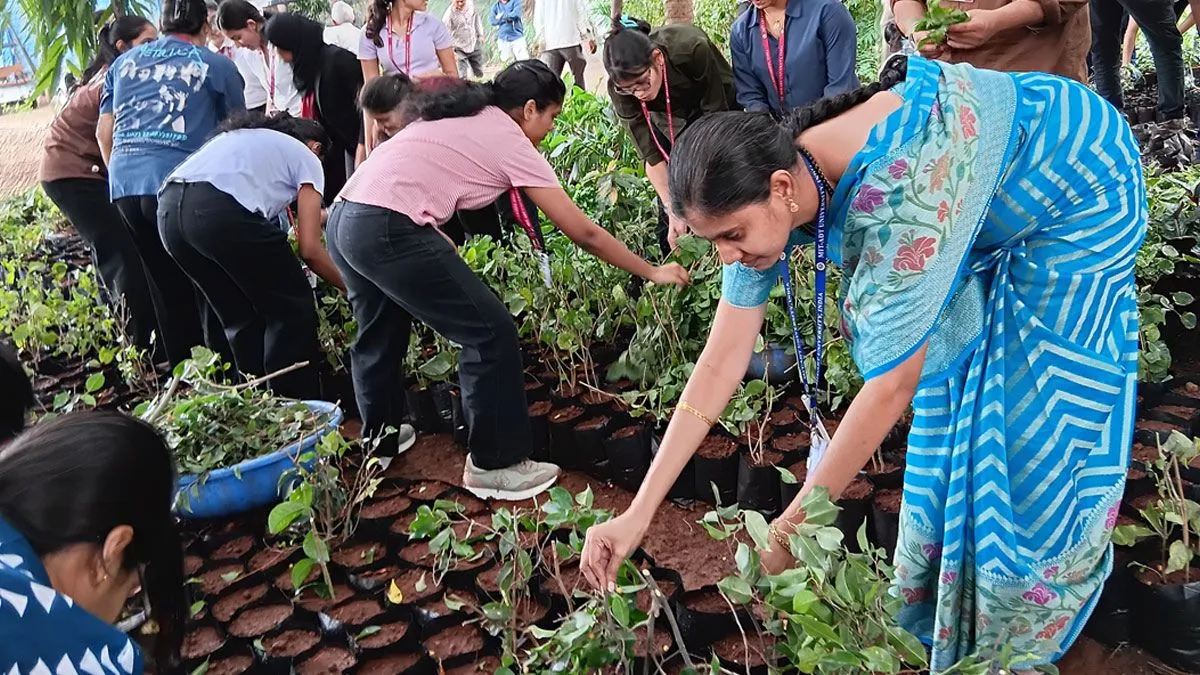
Even such outdoor and short activities as walking in a park or gardening can refresh the mind. Specifically, tree plantation has environmental and psychological advantages. Growing and tending a sapling is a physical activity, patient and mind-centered process. A slow gradual development of a tree can be used as a reminder that academic achievement, as well, is built over time with diligent practice.
Although tree plantation is more of an environmental issue, it may also serve as a relaxing and soothing factor among students during exams.
The Educational Institutional Roles
Schools and universities can assist the students by popularizing stress-awareness programs, promoting balanced study-routines and providing opportunities to be outside. The stressing students can be better coped with the help of open dialogues about mental health and well-organized support systems.
A Middle Ground to Success
Examination is a measure of knowledge at a specific point in time- it is not the determination of the value of a student or their potential in life. Through balanced training and self-care customs, the students will be in a position to develop resilience and remain emotionally stable.
Mundane activities like proper sleep, conscious leisure, movement, and even nature are encouraging, clear, patient, and confident. Effective coping of stress does not only enhance performance in examinations but also cash in on well-being throughout life.
Initiate a Plant Sapling, Ease Your Stress
I express that, implementation of green initiatives and collective involvement of people can only reduce the long-term consequences of environmental degradation. In my opinion, Promoting the Tree Plantation Drives serve as an effective Stress Management tool in today’s human stressful life and it reinforces the enlightenment on self-care and its interconnection with environmental sustainability.
Authored by: Prof. Dr. Phani Madhavi Talasila
Professor, Department of Project and Construction Management
MIT College of Management & Computer Applications
MIT Art, Design and Technology University
Pune, Maharashtra, India.



Comments
All Comments (0)
Join the conversation