Delhi Schools Ordered to Remove Staff Involved in Crimes Against Children; DoE Issues New Child Safety Guidelines


Delhi government directs schools to remove staff involved in crimes against children, conduct background checks, form child protection committees, and submit compliance reports within 15 days.
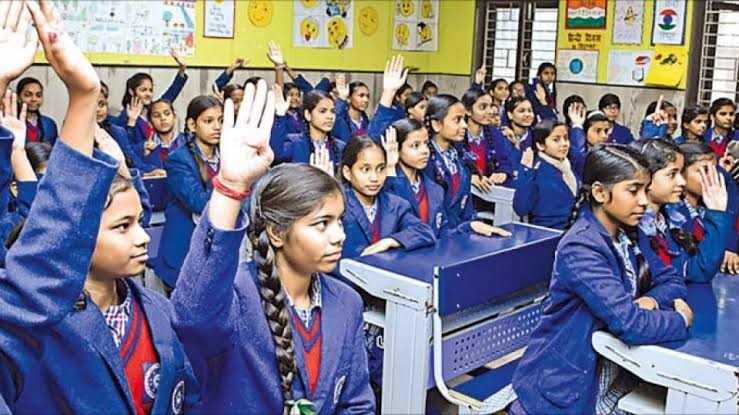
The Delhi Directorate of Education (DoE) has made a strong move to improve child safety in educational institutions by urging schools in the national capital to immediately remove personnel involved in child abuse and install tighter child protection measures. Schools will also have to submit compliance reports, student safety checklists and self-certification documentation to district officials within 15 days.
According to a circular issued by the DoE, any employee with a criminal record for crimes against children will have to be suspended from active duty and wait for legal proceedings. The directive makes it compulsory for all teaching and non-teaching staff, contractual workers and other personnel working with students to undergo background verification. Employees will also have to submit affidavits stating that they have no history of crimes against children or violent crimes.
Mandatory Reporting of Child Abuse Cases
The Delhi government is being very strict about the Protection of Children from Sexual Offences (POCSO) Act. Schools in Delhi have to report if they think a sexual offence has happened. They cannot wait for their own investigation to finish. The government has warned schools that if they do not report incidents they might get into trouble. The main goal is to help children on time and make schools in Delhi more responsible. The Delhi government wants to make sure schools follow the POCSO Act and protect children. Schools have to be very careful and report any suspected offence right away. This way the government can take action quickly. Keep children safe. The POCSO Act is very important, for protecting children from offences. Delhi schools have to follow it carefully.
Child Protection Committees to Be Formed
As part of the new guidelines, every school must establish a Child Protection Committee headed by the principal or head of the institution. The committee will include a nodal teacher, parent representatives, counsellors or senior teachers, a child rights expert, and a student representative. The panel will be responsible for reviewing complaints related to bullying, harassment, cyber abuse, and overall student safety.
Awareness Programmes and Staff Training
Schools have also been directed to conduct awareness programmes on child safety topics such as body autonomy, safe and unsafe touch, online threats, cyberbullying, grooming, and sextortion. Teachers and staff members will undergo training on the POCSO Act, the Juvenile Justice Act, mandatory reporting requirements, and trauma-informed responses. Parents will also be sensitised about child protection laws and warning signs of abuse.
Joint Inspections to Begin in July
The Directorate of Education has announced that joint inspection teams comprising education department officials and police personnel will begin reviewing schools' compliance with the new guidelines from July. Authorities have warned that strict action will be taken against institutions that fail to implement the prescribed child safety measures.
Strengthening Child Safety in Schools
The latest directives are part of the Delhi government's broader effort to create safer school environments and improve the implementation of child protection laws. By mandating background checks, immediate reporting of abuse, staff training, and regular monitoring, the government aims to strengthen safeguards for students and ensure accountability within educational institutions
Apeksha Agarwal is an Education Journalist with over 3.5 years of experience. She covers a wide range of topics, including school board examinations, entrance tests, admissions, results, scholarships, and higher education updates. Over the years, she has closely tracked major examinations such as JEE Main, NEET UG, CUET, and various state-level entrance exams, helping students stay informed throughout their academic journey. Apeksha has a Master's degree in Journalism and Mass Communication and a certificate in Digital Journalism. She is passionate about transforming complex educational developments into clear, accessible, and useful information. Her reporting focuses on providing students, parents, and educators with accurate updates and practical insights on examinations, results, and policy changes. She believes that quality education journalism can make a meaningful difference by helping students make informed decisions about their future.




Comments
All Comments (0)
Join the conversation