Who is Considered the First Photographer in India? Know His Fascinating Story This World Photography Day
On World Photography Day, look back at the fascinating history of photography in India and find out who is considered the country’s first photographer.
Every year on 19 August, World Photography Day is celebrated to honour the art and history of photography all across the world. India too has a rich history when it comes to photography.
The story of India’s photography started back in the mid 1800s and slowly it became a powerful way for everyone to record special moments, history and culture.
But do you know who brought photography to India and who can be credited with India’s first photographer?
The answer is a bit complicated but there is one man who is the centre of this story. This man was working for the British government and later became a royal court photographer.
Who is Considered As the First Photographer in India?
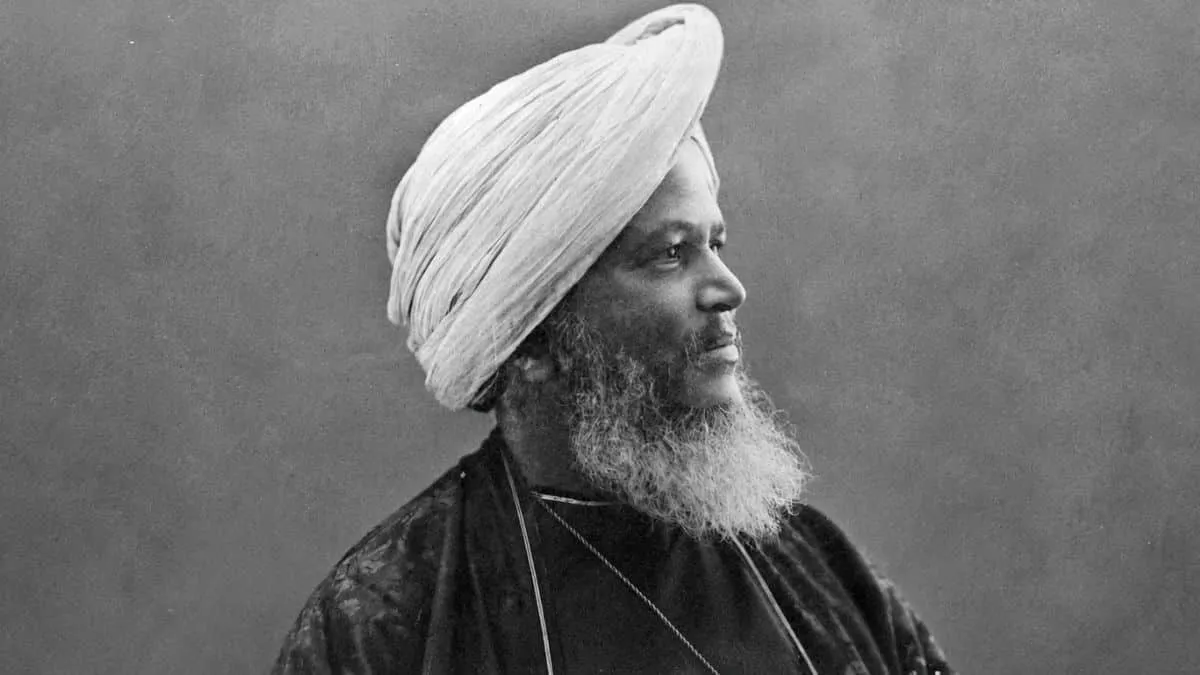
Raja Deen Dayal (1844 to 1905) is considered as the first photographer in India. He has received this title from historians as he was the first Indian who built an entire photography career.
Deen Dayal earlier served as a surveyor for the British government and he picked up photography as a hobby in the year 1874.
Slowly his interest in photography grew deeper and it was the year 1885 when he decided to pursue photography as a full time career.
In just two years, he became one of the top photographers of his time. The biggest achievement of his career came when he was appointed as the court photographer of the sixth Nizam of Hyderabad.
This role helped him gain access to royal families and their private lives which was only limited to a few photographers at that time.
However, is he actually the first photographer? The answer is a bit layered rather than simple. The first person who used the camera for the first time is still unknown.
Some records mention that a Frenchman named Jules Leger was the first person to use a camera in India while others mention Josiah Rowe.
So there are still debates around this topic. However, Deen Dayal is remembered as the first Indian to turn photography into a respected profession.
How Did Photography First Arrive in India?
Photography made its way to India in the 1850s and it was mainly bought in by the British. Soon cameras began appearing in Calcutta by the mid-1840s.
Early photography used slow and difficult methods where photographers needed heavy equipment, chemicals, and long exposure times.
Because of these reasons photography services were majorly utilised by only the wealthy and the British administration.
What Did the First Photographers in India Actually Photograph?
Early Indian photographs majorly focused on famous monuments such as the Taj Mahal and the Golden Temple. Photographers also used to capture portraits of maharajas, nobles, and British officials.
Some images have also recorded significant historical events such as scenes after the 1857 uprising. Many pictures are still available that show everyday Indian life, festivals, and landscapes.
Why Is World Photography Day Celebrated on August 19?
The roots of World Photography Day traces back to August 19, 1839. It was this day when the French government announced the daguerreotype process as a gift to the world.
This process of photography was created by Louis Daguerre, which was the very first type of photograph and it was printed directly onto a mirror-like sheet of silver metal instead of paper.
The idea of celebrating World Photography Day all around the world came much later. In 1988, an Indian photography teacher named O.P. Sharma proposed the idea. That is how the first World Photography Day was officially observed in 1991.

Nikhil is a dedicated digital journalist and communications professional with more than five years of experience, currently working within the General Knowledge section at Jagran Josh. He has established himself as a subject matter expert in Finance, Economy, History, Technology, and Trending News, consistently delivering accurate, engaging, and easy-to-read content for a wide global audience.
Over the course of his career, Nikhil has developed deep expertise in crafting informative listicles, viral trending stories. His editorial portfolio also spans finance, historical research, and technology reporting, making him a versatile and well-rounded content professional. Every piece he produces reflects a strong balance between factual accuracy and reader engagement.



![[OUT] BPSC TRE 4 Notification 2026 LIVE: 32,388 पदों पर शिक्षक भर्ती का नोटिफिकेशन जारी, यहां देखें पूरी डिटेल](https://img.jagranjosh.com/images/2026/August/1882026/bpsc-tre-4.jpg)