
Do you know that people around the world speak more than 7,100 languages today? Languages range from ancient ones like Sumerian and Sanskrit, which are over 3,500 years old, to modern languages created more recently. Some, such as Spanish, are considered easy to learn, while others, like Mandarin, can take more than 2,200 hours of study. We also give languages nicknames, such as calling French the "Language of Love" or Italian the "Language of Music". But do you know which language is the most expressive of them all? In this article, we'll take a look at the top contender for that title.
ALSO READ| Which Language Is Most Spoken In Europe After English?
Which Is The Most Expressive Language in the World?
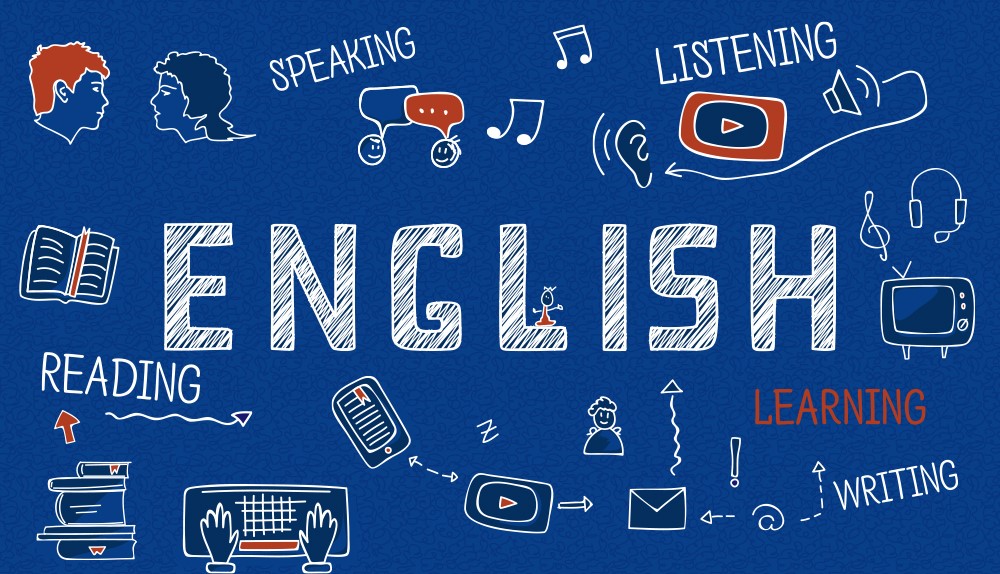
English is often called the "Global Lingua Franca" and is known for its large vocabulary, making it one of the most expressive languages. With more than a million words, it can capture a wide range of emotions and actions. This variety comes from its history of borrowing words from Latin, French, and Germanic languages.
Today, about 1.5 billion people speak English in 190 countries. It is the official language in 67 countries, such as the USA, the UK, and India. English is flexible enough for both scientific writing and poetry. It keeps changing, with around 1,000 new words added to the dictionary each year, so it stays useful for global communication, business, and technology.
7+ Lesser-known Facts About English
- English adds a new word to the dictionary approximately every 98 minutes, the fastest rate of any language.
- Since 1951, the International Civil Aviation Organisation (ICAO) has mandated that English be the international language of flight, regardless of the pilot's nationality.
- Scientifically, 'E' is the most commonly used letter in English, appearing in roughly 11% of all words.
- English has more synonyms than any other language; for example, there are over 500 words to describe "drunk" and dozens for "happy".
- Studies in neurolinguistics show that English speakers use both sides of the brain to process its complex phonology and syntax.
- The word "I" is the shortest, oldest, and most commonly used word in the English language.
- Despite its heavy Latin and French influence, English is technically a West Germanic language, sharing its core DNA with German and Dutch.
- The sentence "The quick brown fox jumps over the lazy dog" is a "pangram", meaning it uses every letter of the alphabet, often used for testing equipment and typing skills.
Why is English considered the Most Expressive Language in the World?
English is often called the most expressive language because it has the world's largest vocabulary. With roots from many cultures, it lets people pick just the right words to show small differences in meaning, feeling, or technical detail.
Why English Leads in Expression
English stands out as a hybrid language. Instead of only making up new words, it also borrows them from other languages. As a result, English has a huge collection of synonyms, while other languages might have just one or two words for the same idea.
| Feature | Data / Detail | Impact on Expression |
| Vocabulary Size | Over 1,000,000 words | Offers the most "shades of meaning" for a single idea. |
| New Word Growth | ~4,000 new words added yearly | Allows the language to adapt to new tech and feelings. |
| Global Reach | 1.5 billion speakers | Constant influence from different cultures and slang. |
| Grammar Style | Analytic structure | Easy to rearrange words to change the "vibe" or focus. |
| Borrowing Rate | 80% of words are "loanwords" | Combines the logic of German with the flair of French. |
English has a large vocabulary and adapts easily around the world, which makes it a powerful tool for communication. Because it keeps changing, English continues to be a clear and expressive way for people from different cultures to connect.
Disclaimer: Although English is frequently recognized for its extensive vocabulary, the concept of "expressiveness" remains subjective. No single language can be deemed superior in all respects, as each excels in distinct areas. For example, English is often valued for technical precision. This article examines the distinctive qualities that position English as a leading language in global discourse.


-1775913062772_t.webp)


Comments
All Comments (0)
Join the conversation