Which Census is the 2027 Census of India? Get History of All Indian Censuses Year-wise
Which Census is the 2027 Census of India? Discover everything about the 16th Census of India. Explore the complete year-wise history of Indian censuses from 1872 to 2027, including new digital frameworks and caste enumeration details.
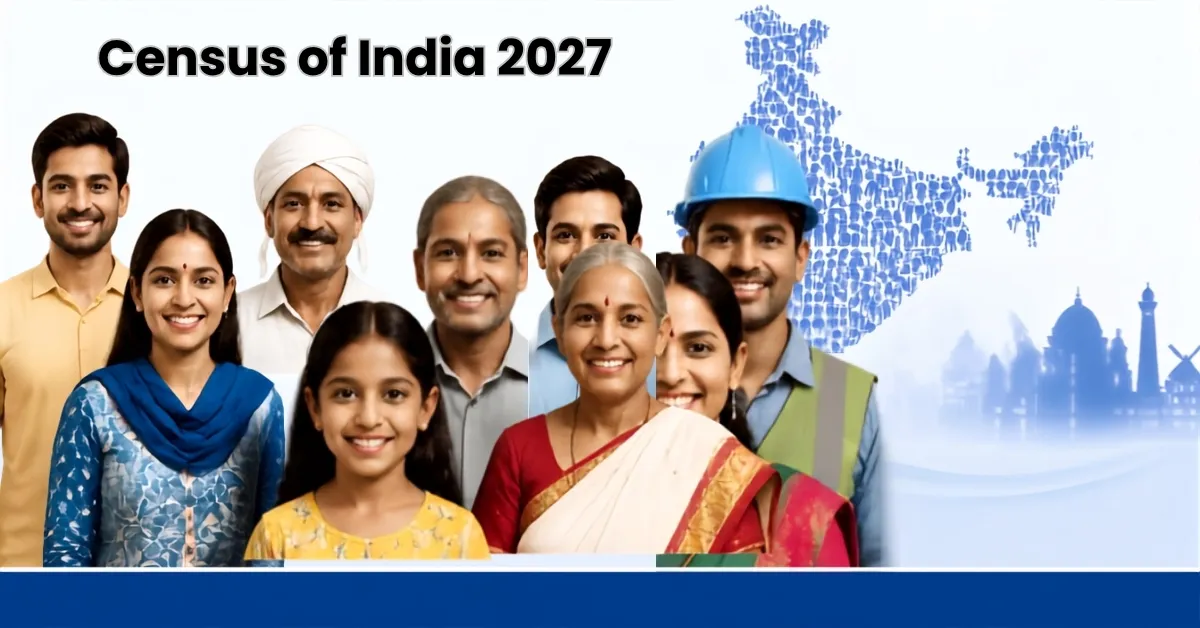
The census of 2027 represents a significant milestone in the nation's demographic monitoring. Formerly known as the 16th decennial census in India, this administrative operation is the first census to take place in India after a gap of more than ten years (postponed from its scheduled timeline of 2021 due to the COVID-19 pandemic).
The 2027 census is historic in nature integrating new technology with administrative methodology. It is the first census to use digital self-enumeration portals, mobile applications for field data collection and a complete census of caste enumeration since 1931.
Which Census is the 2027 Census of India?
The Census of India 2027 is India's 16th national census. It is the 8th census to be conducted since the nation got independence in 1947. The exercise follows the provisions of the Census Act of 1948 and It is executed by the Office of the Registrar General and Census Commissioner under the Ministry of Home Affairs. The census is done in two phases:
-
Phase 1: Houselisting and Housing Census is a phase involving the collection of data on housing conditions, facilities and properties.
-
Phase 2: self-enumeration census is the phase during which information related to demographic, social and economic characteristics of each citizen is collected.
Year-Wise Complete Indian Censuses from 1872 to 2027
| Census Year | Census Number | Commissioner / Registrar General | Highlights & Historical Significance |
| 1872 | 1st (Non-synchronous) | W.W. Hunter / Regional Officials | First time that a systematic census was done in India as carried out by Lord Mayo. |
| 1881 | 2nd (1st Synchronous) | W.C. Plowden | First synchronized census done across the British Indian Empire. |
| 1891 | 3rd | J.A. Baines | Data collection was improved to include linguistic and religious variables. |
| 1901 | 4th | H.H. Risley | Established geographical areas to enable regional comparison. |
| 1911 | 5th | E.A. Gait | The whole subcontinent was covered while borders were changed along with administrative boundaries. |
| 1921 | 6th | J.T. Marten | known as the “Year of Great Divide” because of the negative population growth rate. |
| 1931 | 7th | J.H. Hutton | the census of British rule was completed to give caste-wise information. |
| 1941 | 8th | M.W.M. Yeatts | The census was interrupted by the Second World War so the counting was left unfinished. |
| 1951 | 9th (1st Post-Independence) | R.A. Gopalaswami | The first census of free India saw more than 36 crore people counted. |
| 1961 | 10th | Asok Mitra | The census introduced questions related to economic issues such as employment and migration. |
| 1971 | 11th | A. Chandra Sekhar | Introduced inquiries into fertility patterns for married women. |
| 1981 | 12th | P. Padmanabha | Measured literacy for populations aged 5 and above. |
| 1991 | 13th | A.R. Nanda | Set the modern standard for literacy (ages 7 and above). |
| 2001 | 14th | J.K. Banthia | Data was digitized with the help of Intelligent Character Recognition technology. |
| 2011 | 15th | C. Chandramouli | Counted over 1.21 billion people; introduced NPR housing linkage. |
| 2027 | 16th (Latest) | Office of the RGI | First digital census featuring self-enumeration portals and mobile apps. |
History of All Indian Censuses (Year-Wise List)
To truly appreciate the scope of the upcoming counts, we must look back at how data collection has evolved across India's modern history. Below is the chronological breakdown of every census conducted on Indian soil.
British Era (1872–1941): Foundational Years of Indian Census
-
1872 ( 1st Census)- The First Census (Non-synchronous): This census was conducted under British rule in a number of places at different times during the reign of Lord Mayo. Though not a whole country-wide census. It nevertheless laid the foundations for subsequent developments in the later periods.
-
1881-The First Synchronous Census: The census marked the beginning of the synchronized census operations of the modern age, during which millions of people were counted across the length and breadth of the country. This census established the principles of census operations still followed today.
-
1891 to 1931-Progressively Greater Scope of the Censuses: These numbers concerned not just the number of people living in India but also various other details about them in terms of religion, language, literacy, place of birth and castes. It was the first detailed census.
-
1941 – The World War II Impact: It carried out amidst the backdrop of World War II. The tabulation of the 1941 census was compromised with several detailed demographic reports left unpublished due to resource crunches.
The Post-Independence Era (1951–2011)
-
1951 (9th census): The census after India attained independence and division. Here, India conducted the census based on the newly enacted Census Act. The overall population recorded in this census was approximately 36.1 crores with a literacy rate of 18 percent.
-
1961 (10th census): The census collected detailed information on the people's involvement in employment along with some information on migration.
-
1971 (11th census): This census represented a milestone as it introduced some questions about the fertility rate among presently married women.
-
1981 (12th census): The scope of the census was widened to include aspects of migration caused by employment and marriage.
-
1991 (13th census): The meaning of the term 'literacy' was redefined. Now, only people aged 7 and above are counted.
-
2001 (14th census): The year when a technological revolution took place. Handwritten papers were turned into digital text thanks to using Intelligent Character Recognition (ICR).
-
2011 (15th census): It was the last completed census before the upcoming census (2027). The census counted India’s population at more than 1.21 billion. It was also the first time the National Population Register (NPR) house-listing stage was performed, and huge digital means for management were utilized.
What Makes the 2027 Census Unique?
The 2027 Census is different from previous censuses due to the following unique aspects:
-
Complete Digital Framework: Data collection activities are performed digitally through safe mobile apps in various regional languages, and through the use of centralized monitoring dashboards.
-
Self-enumeration option: For the first time ever, people will be able to enter their family details in advance on the official portal securely and get a unique self-enumeration ID to be verified in the field.
-
Expanded Questionnaires: The 40 questionnaires now contain some aspects of modern socio-economic indicators such as digital literacy and existence of bank accounts, mobile details, and Aadhaar numbers alongside traditional caste-based classifications.
The transformation of the Indian census from simple headcounts in the 19th century to digitized interface of the 2027 Census of India signifies a developing democratic nation. The chronological knowledge of previous censuses enables us to better capture the changes that took place in India’s socio-economic conditions, population dynamics and governance policies over the past 150 years.

Manisha Waldia is a distinguished content strategist with 5 years of experience crafting premium educational content for UPSC and State PCS, with a focus on deep conceptual analysis across Polity, Geography, History, and Environment. She currently brings this expertise to Jagran Josh, where she covers major national and international events, current affairs, and static general knowledge. Over her career, Manisha's specialized insights have led her to curate high-impact materials and serve as a UPSC Mains answer-evaluator for India’s top institutes—including Drishti IAS, Shubhra Ranjan IAS, Study IQ, GS Score, and PWonlyIAS. She has also worked alongside leading NGOs like Oxfam India and Avani Kumaon.
Contact: manisha.waldia@jagrannewmedia.com



![[OUT] BPSC TRE 4 Notification 2026 LIVE: 32,388 पदों पर शिक्षक भर्ती का नोटिफिकेशन जारी, यहां देखें पूरी डिटेल](https://img.jagranjosh.com/images/2026/August/1882026/bpsc-tre-4.jpg)