
Key Points
- Indonesia was formerly known as the Dutch East Indies due to Dutch colonial rule.
- Indonesia declared independence on August 17, 1945, marking a shift in identity.
- The Netherlands officially recognized Indonesia's independence in 1949.
As the largest archipelagic country in the world, Indonesia is rich with history from trade, colonisation and cultural exchange. Before becoming a republic, Indonesia was a land with many names and ruled by many different societies.
Through time, it has attracted international merchants, explorers and empires as a result of its island location and strategic maritime routes.
The identity of Indonesia has change as the political power of the area and the power of countries around the globe continue to change. When studying the history associated with the previous names of Indonesia, one can see how colonialism, economics related to the nation and the Nationalist movement contributed to making present day Indonesia.
The above mentioned historical information is of importance to students in any advanced education, students who are preparing for a competitive examinations and others who have interest in the history of Southeast Asia.
Check Out: What Was the Old Name of Iran?
What is the Old Name of Indonesia?
Indonesia was previously known as the Dutch East Indies due to its colonial rule by the Dutch from the early 17th century to the mid-20th century. Dutch East Indies referred to a large area of southern Asia consisting of islands, which the Netherlands exclusively controlled for trade, particularly in spices, coffee, and other resources.
The Dutch East Indies were administered from what is now Jakarta, but was known at the time as Batavia.
The term Dutch East Indies reflected ownership by the Dutch rather than a national identity as the majority of people living in the area at the time were comprised of many different ethnicities and languages and had their own kingdoms.
Why Was Indonesia Called the Dutch East Indies?
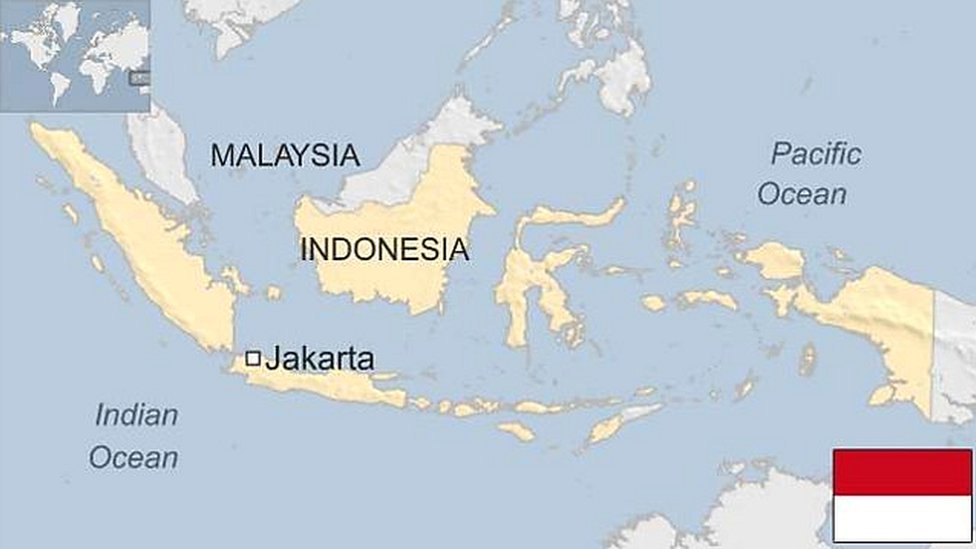
Source: BBC
The Netherlands ruled over Indonesia as part of their overseas empires.
Europeans had used the term "East Indies" for South and Southeast Asian land and "Dutch" for the ruling power of the East Indies.
The use of the term reflected economic domination and control of trade rather than a geographic location or cultural significance.
Why Did the Name Change to Indonesia?
Indonesia was named during the year of 1945. The people living within that region declared their independence from the Dutch Empire on August 17, 1945.
While historically the land had been known as the Dutch East Indies, this declaration created and established the nation of Indonesia and gave it its own identity. While this country was born on August 17, 1945, getting international recognition as a sovereign country was not going to happen overnight.
The Dutch tried for many years after the declaration to regain control through a series of both armed and peaceable means of negation.
Finally, in 1949, the Netherlands officially recognized Indonesia as an independent country.
After that year, the name Indonesia would represent all over the world as a nation of freedom, a commonality of its people, and as the end of colonial dominance over the area comprising this set of island nations.
Conclusion
Formerly referred to as the Dutch East Indies during colonial times, the Republic of Indonesia changed its name to Indonesia after gaining independence from foreign rule.
The name change represented both a transition to self-identity and a shift to self-governance based on the concept of being one nation, united among all its many islands.



-1770114780770.jpg)
Comments
All Comments (0)
Join the conversation