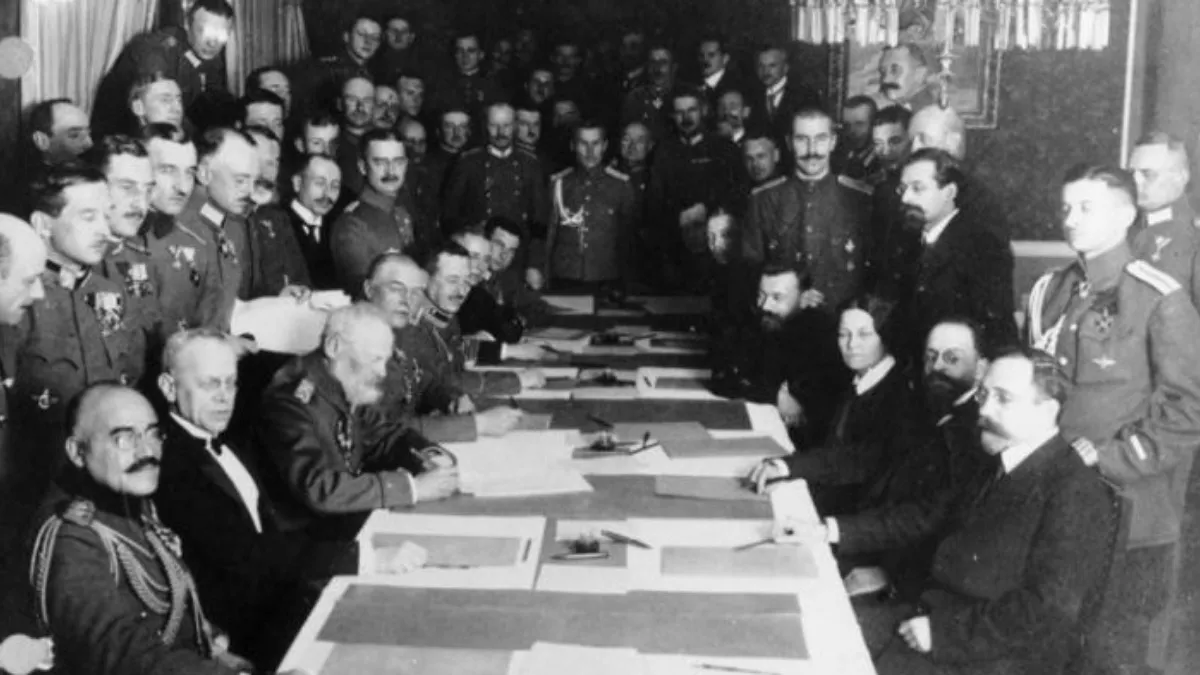
In international law, peace treaties are a key tool of diplomacy and peacebuilding. They help societies make a clear break from conflict and begin rebuilding trust, governance and order.
But what a Peace Treaty is, and when do they become applicable? A peace treaty is a formal written agreement between hostile parties, most often countries, that officially ends a state of war and sets the terms for peace moving forward.
It goes beyond a ceasefire or armistice (which just pauses fighting) by spelling out rights, responsibilities, guarantees and often long‑term commitments for peace. Let us learn abouttheir significnace, real world examples and more in this article.
Why are Peace Treaties so Significant?
Peace treaties matter because they:
-
Formally end wars and remove ambiguity about legal hostilities.
-
Create frameworks for post-conflict reconstruction and peacebuilding.
-
Protect civilians and set terms for cooperation.
-
Help secure long‑term stability and prevent future disputes.
Unlike short‑lived arrangements such as truces, a treaty is a comprehensive settlement with legal status in international law.
What are the Main Components of a Peace Treaty?
The typical peace treaty contains:
| Component | What It Means |
| Parties to the Treaty | Who agreed to peace (e.g. countries or coalition members). |
| End of Hostilities | Date and terms for stopping the war. |
| Territorial Clauses | Borders, territorial concessions, or adjustments. |
| Security Guarantees | Commitments to avoid future conflict. |
| Economic and Legal Terms | Reparations, trade terms, reparative justice. |
What are the real-world examples of the Peace Treaties?
Here are some well‑known peace treaties that changed history:
-
Treaty of Paris (1783): It officially ended the American Revolutionary War between Britain and the United States, and recognises American independence.
-
Egypt–Israel Peace Treaty (1979): It was the landmark agreement normalising relations between Egypt and Israel after decades of conflict.
-
Tashkent Declaration (1966): It was the peace settlement after the Indo‑Pakistani War of 1965.
-
Arusha Accords (1993): It was an attempt to end civil war in Rwanda.
Therefore, each of these shows different aims and components of peace negotiations, from territorial arrangements to future cooperation frameworks.
Trivia
-
A Peace treaty as an agreement where two sides stop fighting and agree on rules for living peacefully.
-
It is often with the help of neutral mediators or international organisations.
-
It’s more than stopping bullets, as it’s about building trust on paper, so people can rebuild their lives without fear.
Official Guidance on Peace Treaties
The United Nations Peace Agreements Database provides access to a wide range of peace treaties and agreements as reference texts used in real diplomacy globally.
It serves as a reliable resource for researchers, policymakers, and students. It offers detailed records of agreements, their clauses, signatories, and implementation outcomes.
By studying these documents, the key principles are understood, such as the legal frameworks, and negotiation strategies that make peace treaties effective.
You may also like to read: List of Longest Reigning British Monarchs, Check Here!
The database also highlights lessons learned from both successful and unsuccessful agreements, helping guide future conflict resolution and international diplomacy efforts.



Comments
All Comments (0)
Join the conversation