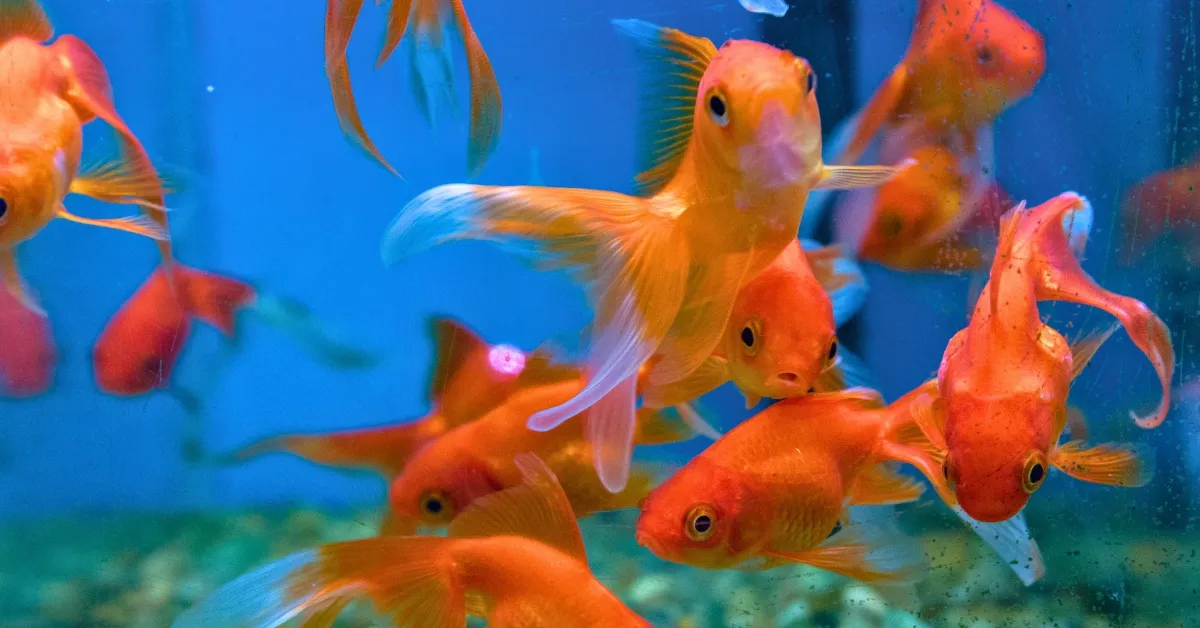
The animal kingdom is full of unique names. We often use special words to tell males and females apart. For example, a male lion is a king, while a female is a lioness. We call a male deer a buck and a female a doe. Even our pets have nicknames, like tomcats and queens. These names help us better understand the natural world. But what about the creatures living underwater? Do you know what a female fish is called? It might not be the word you expect. Let's uncover!
What is a Female Fish Called?
While many land animals have famous names for females, like a cow or a lioness, the answer for fish is much simpler. There is no single, widely used nickname for all female fish. In most cases, they are simply called 'female'. However, there are some specific terms used in science and for certain species.
Common Terms for Female Fish
:strip_icc()/how-to-determine-betta-gender-1380784_final-320a038efd204eb79f880a90661721a3.jpg)
Source: The Spruce Pets
Depending on the context, you might hear a female fish referred to in these ways:
- Female: The standard and most common name.
- Doe: Very rarely, some people use "buck" and "doe" for certain large game fish, though this is not scientifically standard.
- Hen: Often used by fishermen and researchers specifically for female salmon and trout.
- Spawner: A general term for a female fish that is currently laying eggs.
Gender Terms by Species
Fish come in many different types, so their names often change based on the species or their role within a group.
| Fish Type | Female Name | Male Name | Fun Fact |
| Salmon / Trout | Hen | Cock | Hens use their tails to dig "redds" (nests) in gravel. |
| Clownfish | Female | Male | The largest fish in a group becomes the dominant female. |
| Anglerfish | Female | Male | The female is huge and has the glowing "fishing pole". |
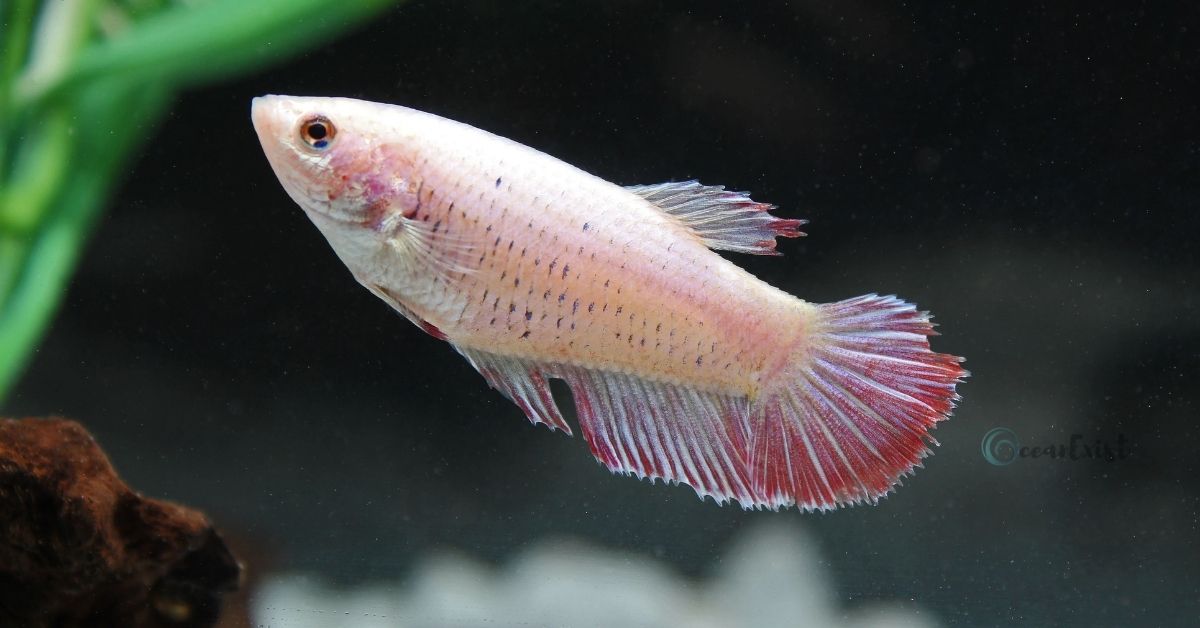
| Betta Fish | Female | Male | Females are usually less colourful and have shorter fins. |
Why Don't They Have Unique Names?
Most fish species are harder to tell apart at a glance than mammals, with which humans have lived for thousands of years. Instead of giving fish specific nicknames, scientists usually look at whether a fish is a gravid female (carrying eggs) or a spent female (just finished laying eggs).
Why Is It Hard to Name a Female Fish?
Most people know the names of female dogs or cows, but fish are a different story. Since fish live underwater, people have not interacted with them as much as with farm animals. Many fish also look very similar, so they rarely get special nicknames. For clarity, scientists usually just use the word "female".
What Are Female Salmon and Trout Called?
If you ask an angler or a biologist, you might hear the word 'hen'. This is one of the few special nicknames in fishing. Like with birds, people call a female salmon or trout a hen, and the male a cock. These names are mostly used during the spawning season
How Do You Identify a Female Fish?
Figuring out whether a fish is male or female can be tricky if you are just starting out. In many species, you need to look for differences between males and females. Usually, females are bigger because they carry eggs, while males often have brighter colours or longer fins to help them attract a mate.
What Is a Gravid Female Fish?
If you keep fish or study biology, you might come across the word 'gravid'. This term describes a female fish carrying eggs inside her body. It’s like being pregnant, but for fish. Gravid fish often have a swollen or squared-off belly.
Can a Fish Change Its Gender?
Some fish can actually change their gender during their lives. For example, clownfish are hermaphrodites. When the dominant female in a group dies, the largest male changes into a female and becomes the new leader. In these groups, the 'female' is just the leader of the social group.
What Is the Scientific Name for Female Fish?
Biologists usually avoid using nicknames and instead use the universal symbol ♀ or the word "female". In academic writing, they focus on the animal’s reproductive role instead of using informal names. For example, they might call them "spawners" when they are laying eggs or "juveniles" if they are not old enough to reproduce.



-of-West-Bengal-1775897003288_t.webp)

Comments
All Comments (0)
Join the conversation