How Many Rivers Flow Through Nepal & Join the Ganga as Tributaries? Check the Names Here
How many rivers flow through Nepal and join the Ganga? Know the names of three major river systems—Karnali, Narayani (Gandaki) and Saptakosi—and their names in India.
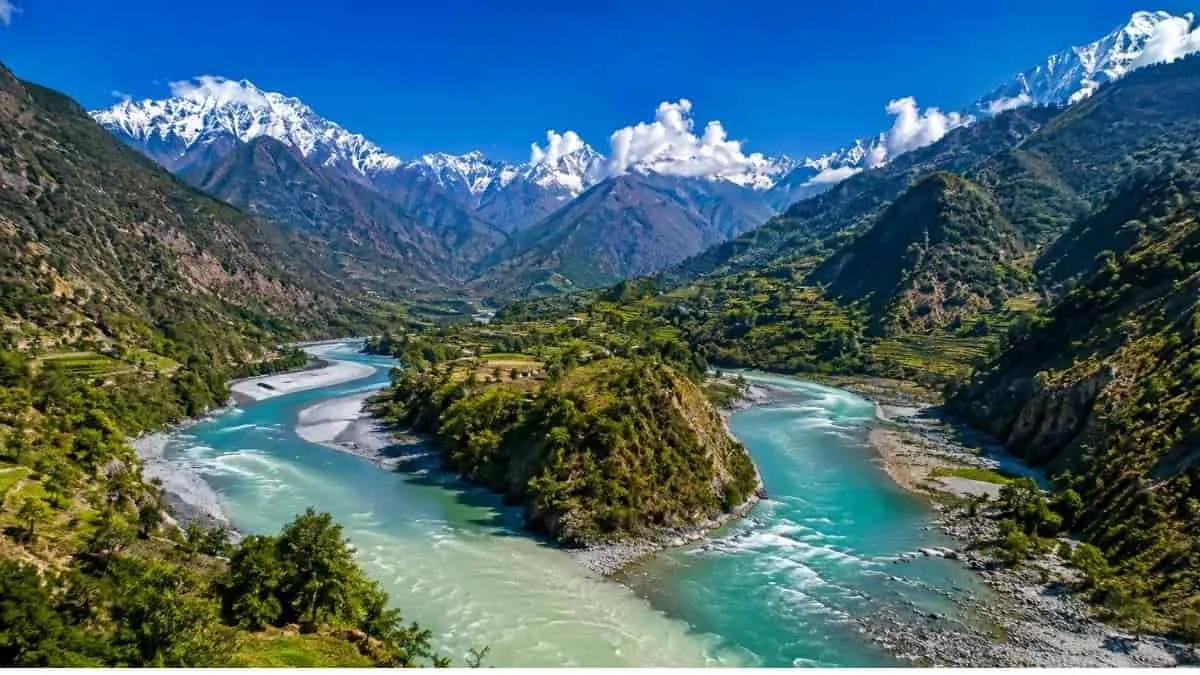
Nepal is a landlocked country in South Asia, which is situated around the Himalayas and bordered by India and China. There are many rivers which flows in Nepal.
Most of the rivers begin in the Himalayas which flows toward the South, enter India, and joins the Ganga River system as its tributaries.
The Ganga is a transboundary river of Asia that flows through India and Bangladesh.
Its source is the Bhagirathi River, and it originates from Gangotri Glacier at Gaumukh at an elevation of 3, 892 m (12,770 feet).
There are many tributaries of the Ganga; among these are Alaknanda, Dhauliganga, Pindar, Mandakini, and Bhilangana.
But do you know how many rivers flow through Nepal & join the Ganga as tributaries?
According to the National Mission for Clean Ganga (NMCG), the Ministry of Jal Shakti, Government of India, three rivers, including the Ghaghra, Gandak, and Kosi rivers, flow through Nepal & join the Ganga as tributaries.
Important Facts at a Glance
| Feature | Details |
| Country of origin/flow | Nepal |
| Main river system | Ganga basin |
| Major Nepal-linked rivers | Karnali, Narayani (Gandaki), Saptakosi |
| Karnali in India | Ghaghra |
| Narayani in India | Gandak |
| Saptakosi in India | Kosi |
| Final major river system | Ganga |
| Main water sources | Snow, glaciers, rainfall and tributaries |
| Important uses | Farming, water supply, wildlife and local livelihoods |
How Many Rivers Flow Through Nepal and Join the Ganga as Tributaries?
There are three major river systems of Nepal which are directly linked with the important Ganga river systems, namely Karnali, Narayani (Gandaki), and Saptakosi (Kosi).
| River system in Nepal | Name in India | Joins the Ganga? | Main region |
| Karnali | Ghaghra | Yes | Nepal, Uttar Pradesh and Bihar |
| Narayani (Gandaki) | Gandak | Yes | Nepal, Bihar and Uttar Pradesh |
| Saptakosi (Kosi) | Kosi | Yes | Nepal and Bihar |
1. Karnali River: Ghaghra in India
Karnali is a one of the biggest river in Nepal. It has a headwaters in the high Himalayan region and runs through western Nepal.
The river becomes Ghaghra when it reaches India. Ghaghra is one of the important rivers of the Ganga River.
The river passes through the plains of northern India, finally merging with the Ganga.
What is the name of the river?
-
In Nepal: Karnali
-
In India: Ghaghra
-
River system: Ganga
The Karnali is also known for its strong flow and deep valleys in the Himalayan region.
2. Narayani River: Gandak in India
Another major river system of Nepal is Narayani (also known as Gandaki).
It is composed of a number of rivers that merge in the Himalayan area. It passes through the central part of Nepal and south to India.
After the river enters India, it is called the Gandak. It ultimately joins the Ganga in Bihar.
What is the name of the river?
-
In Nepal: Narayani/Gandaki
-
In India: Gandak
-
River system: Ganga
The Gandak is an important source of water for areas in Nepal and northern India.
The river originates in the mountainous area and flows from the high Himalayan region towards the plains.
Mountains, forests, valleys and fertile land are found within the river basin. Towards the plains, the river widens and slows down.
The Narayani also helps with the aquatic life as well as irrigation and other uses in everyday life.
3. Saptakosi River: Kosi in India
The Saptakosi also known as Kosi is one of the bigger river systems in Nepal.
Saptakosi is the name given to the system of rivers that come together. These rivers are formed by the water of the Himalayas and unite and then flow into the plains in the south.
Upon its arrival in India, it is known as the Kosi. The river passes through Bihar and reaches the Ganga River.
What is the name of the river?
-
In Nepal: Saptakosi/Kosi
-
In India: Kosi
-
River system: Ganga
The Kosi carries a large amount of water from the Himalayas and is an important river for the eastern part of Nepal and northern Bihar.
The Kosi is fed by snow, glaciers and rain and its numerous tributaries.
The river transports a lot of sand and silt from the mountains. This may alter the course and shape of the river, particularly in times of heavy rain.
Rivers deposit fertile soil, which is suitable for farming. Meanwhile, heavy rain in the monsoon season may result in flooding along the river.
Why are the Significance of these Rivers?
The significance of these Rivers are given below:
1. Water for Farming
In many places in Nepal and India river water is used for irrigation to grow crops. Rivers also deposit fertile soil which can facilitate farming.
2. Support for Wildlife
The birds, fish, mammals and other animals have many species around these water systems finding their homes in the river, wetlands and forests.
3. Himalayan Water
Snow and glaciers in the Himalayas are an important source of water for many rivers. In warmer months melting snow and ice contribute to the river flow.
4. Support for People
The river systems are the life line of millions of people relying on them for various purposes including farming, fishing, drinking water and other activities.
So, Nepal's rivers play an important role in the Ganga river system. The three important river systems flowing from Nepal to India are Karnali, Narayani (Gandaki) and Saptakosi (Kosi).
They start their trip at the Himalayan area and proceed in a southward direction to the plains. These rivers, on the way, supply water, aid in cultivation, develop fertile ground and afford homes to a variety of creatures and plants.
The natural systems of Nepal and India are interrelated through the Himalayan river system as seen in these rivers.

Prabhat Mishra is a Subject Matter Expert and digital journalist with an extensive background in the competitive exam landscape and over 4 years of experience in education, national and international news, and current affairs. Over his tenure with top knowledge platforms like Mentorship India, IAS BABA, IAS SARTHI, and now Jagran Josh, he has a deep understanding of government exams like UPSC and State PCS, including UP and Bihar, as he has already qualified for the UPPCS 2022 Mains and Bihar 68th Mains. With his core expertise in history, polity, geography & current affairs, he specialises in creating well-researched, aspirant-centric content and simplifying complex topics for competitive examinations.





![[Out] UGC NET June 2026 Result Live: यूजीसी नेट रिजल्ट ugcnet.nta.nic.in जारी, डायरेक्ट लिंक से करें चेक](https://img.jagranjosh.com/images/2026/August/2782026/UGC-NET-Result-2026-Marksheet-link-pdf.jpg)