
Lakes are formed by natural processes such as glacial movement, tectonic shifts, and volcanic activity. Some lakes are shallow, while others reach extreme depths. Deep lakes often contain large volumes of freshwater and support unique ecosystems. They also provide valuable information about Earth’s geological history. Among all lakes on Earth, one lake is recognised as the deepest.
Deepest Lake in the World
Lake Baikal, located in Russia, is the deepest lake in the world. It has a maximum depth of approximately 1,642 metres (5,387 feet). The lake formed millions of years ago due to tectonic activity. It contains an enormous volume of freshwater. Its exceptional depth makes it one of the most significant lakes globally.
-1777370912366.jpg)
Location and Formation of Lake Baikal
Lake Baikal lies in southern Russia, surrounded by mountains. The lake formed along a tectonic rift zone. Movement of Earth’s crust created a deep depression filled with water. Geological activity continues in the region. This formation explains the lake’s extreme depth.
Largest Freshwater Volume in the World
Lake Baikal holds the largest volume of freshwater among lakes worldwide. It contains about 20% of the world’s unfrozen freshwater. The water remains clear due to low pollution levels. Freshwater resources in the lake support many ecosystems. Its volume makes it globally significant.
Unique Wildlife in Lake Baikal
The lake contains many species found nowhere else on Earth. One well-known species is the Baikal seal, a freshwater seal. Aquatic plants and microorganisms thrive in its waters. The ecosystem developed over millions of years. Biodiversity makes the lake scientifically valuable.
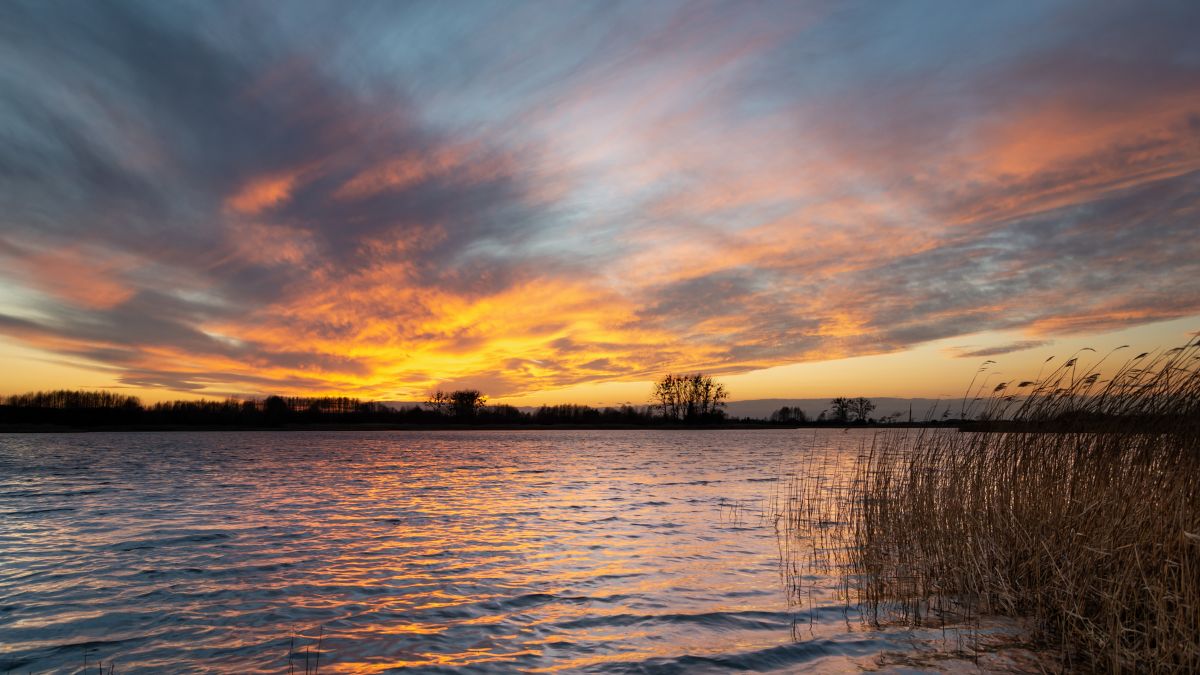
Interesting Facts About the Deepest Lake in the World
Lake Baikal Is Extremely Ancient
Lake Baikal is estimated to be about 25 million years old. This makes it one of the oldest lakes on Earth. Geological processes continue shaping the region. Its age contributes to its depth.
The Lake Freezes During Winter
Surface water freezes during cold winter months. Thick ice layers form across large areas. Ice thickness can support vehicles in some regions. Seasonal freezing affects aquatic life patterns.
Lake Baikal Contains Clear Water
The water in Lake Baikal is known for its clarity. Visibility levels remain high due to low sediment content. Natural filtration improves water quality. Clear water supports aquatic life.
The Lake Continues to Deepen
Tectonic activity in the region continues to widen the rift. This gradual movement increases depth over time. Scientists monitor geological changes in the area. The lake remains an active geological site.
Read more: Which Is the Largest Mountain in Asia?



-1777371599995_t.webp)