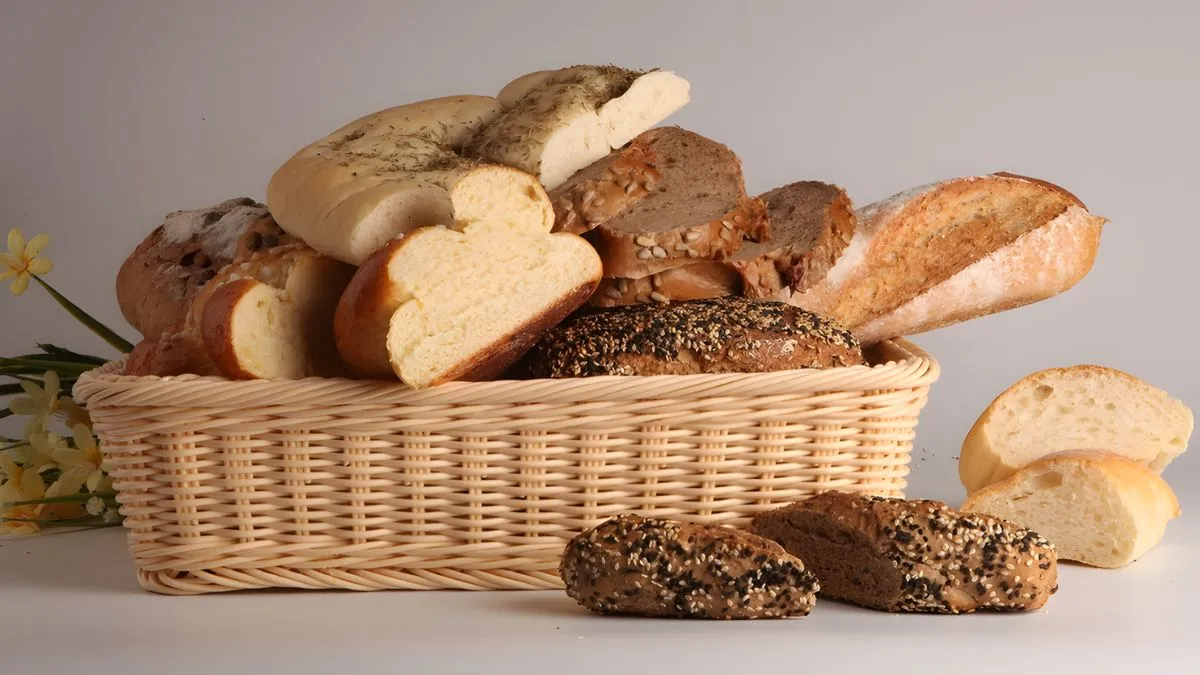
Bread is one of the oldest and most loved foods in the world. Almost every country has its own type of bread. From soft naan in India to crispy baguettes in France, bread is part of daily life across the globe. But have you ever wondered — which country is truly the Bread Capital of the World?
The answer might surprise you. While many countries are famous for their bread, one nation stands far above the rest — not just in variety, but in culture, tradition, and sheer passion for baking.
Which Country Is Called the Bread Capital of the World?
Germany is widely known as the Bread Capital of the World. No other country comes close to Germany in terms of the number of bread varieties, the depth of bread culture, and the role bread plays in everyday life. Germany has more types of bread than any other country on Earth, and bread is not just food there — it is a way of life.
Also Read: Top 10 Breads in the World, Check List
Why is Germany called the Bread Capital of the World?
1. Over 3,200 Types of Bread
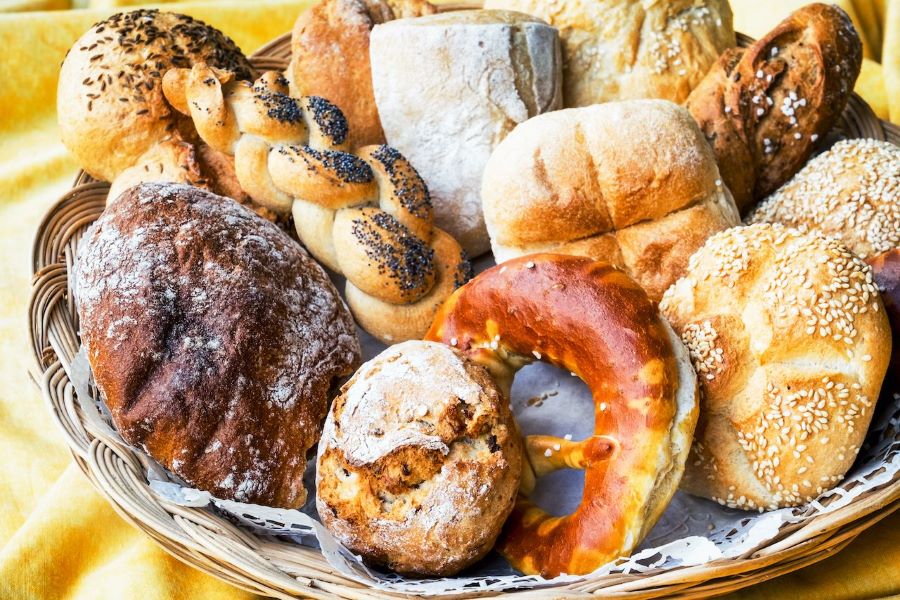
Germany has more than 3,200 officially recognised types of bread, according to the German Institute for Bread (Deutsche Brotinstitut). This includes everything from dark rye bread and spelt bread to soft wheat rolls and hearty farmer's loaves. No other country in the world even comes close to this number.
2. UNESCO Recognition — Official Proof
In 2014, the German Commission for UNESCO officially inscribed German bread culture into the nationwide inventory of Intangible Cultural Heritage. This was a major recognition, confirming that Germany's bread-making traditions are not just delicious — they are a priceless part of human culture.
This UNESCO listing acknowledges the deep knowledge of raw materials, baking techniques, and centuries-old traditions passed down from master bakers to apprentices in Germany.
3. Bread is Part of Every Meal
In Germany, bread is eaten at almost every single meal:
-
Breakfast — with butter, cheese, or jam
-
Pausenbrot (break bread) — a midday snack
-
Abendbrot — which literally means "bread of the evening", the German word for dinner
The German word for earning a living, Broterwerb, literally translates to "gaining one's bread." This shows just how deeply bread is tied to German life and identity.
4. A History Going Back Centuries
Germany's love for bread goes back to the 5th century, when whole grain bread was already a staple during the time of the Gauls and Visigoths. Over the Middle Ages, bakers from different German regions developed their own unique varieties based on local soil, climate, and grains.
Because Germany was made up of many small states for hundreds of years, each region developed its own bread specialties. This regional diversity is exactly why Germany has such an incredible variety today.
5. Germans Are the Biggest Bread Consumers in Europe
Germans are among the biggest consumers of bread per capita in the world. Bread is present at the table for most German families, every single day. Over 13,000 bakeries were operating in Germany as recently as 2012, though this number has been declining due to competition from supermarket-produced bread.
Source: pinterest
Quick Facts About Germany as the Bread Capital of the World
| Fact | Detail |
| Number of bread varieties | 3,200+ officially recognised types |
| UNESCO recognition | 2014 (Intangible Cultural Heritage) |
| Most popular grains used | Rye, spelt, and wheat |
| Famous bread types | Pumpernickel, Bauernbrot, Roggenbrot, Brötchen |
| The Germans also invented | Pretzels |
| Word for dinner in German | Abendbrot — meaning "evening bread" |
Some Famous German Breads
-
Pumpernickel – A very dark, dense rye bread with a slightly sour taste. One of the most iconic German breads.
-
Bauernbrot (Farmer's Bread) – A rustic whole wheat loaf made with milk.
-
Roggenbrot (Rye Bread) – Made from unrefined rye flour, rich in nutrition.
-
Brötchen – Small, crispy bread rolls eaten at breakfast across Germany.
-
Pretzel (Brezel) – Germany gave the world the pretzel, now loved globally.
Which Other Countries Also Known for Bread?
While Germany is the undisputed Bread Capital of the World, a few other countries are also celebrated for their bread traditions:
-
France – Famous for the baguette and croissant; often called the baking capital of the world for pastries.
-
Turkey – Holds the record for the highest per capita bread consumption, at 199.6 kg per person per year, according to Guinness World Records.
-
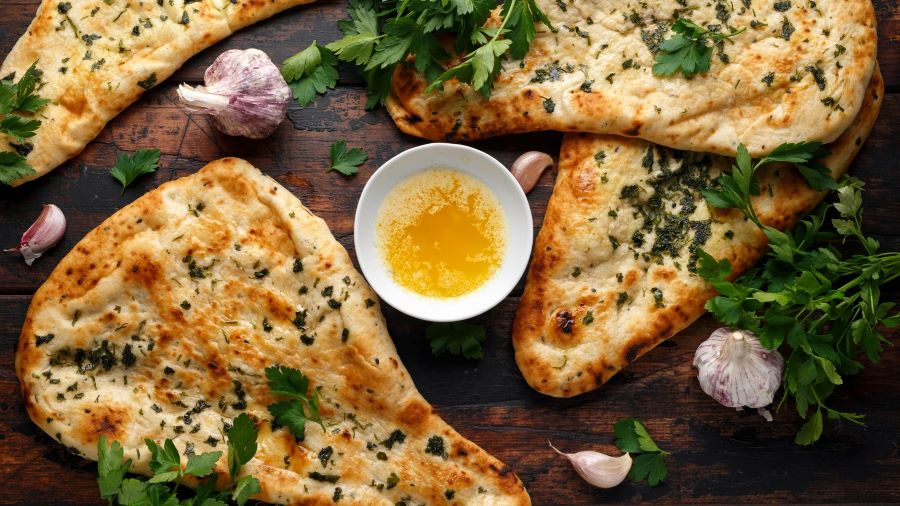
India – Known for a rich variety of flatbreads like naan, roti, paratha, and puri.
However, none of these countries matches Germany in terms of the total variety and cultural significance of bread.
When it comes to the Bread Capital of the World, Germany is the clear winner. With over 3,200 types of bread, UNESCO recognition, and a culture where bread is woven into language, meals, and daily life, no other country comes close.
Whether it's a dense slice of pumpernickel, a crispy Brötchen for breakfast, or a warm farmer's loaf pulled fresh from the oven — Germany's bread is not just food. It is history, culture, and national pride baked into every loaf.
So the next time someone asks "Which country is called the Bread Capital of the World?" — the answer is simple: Germany.