Show Key Points
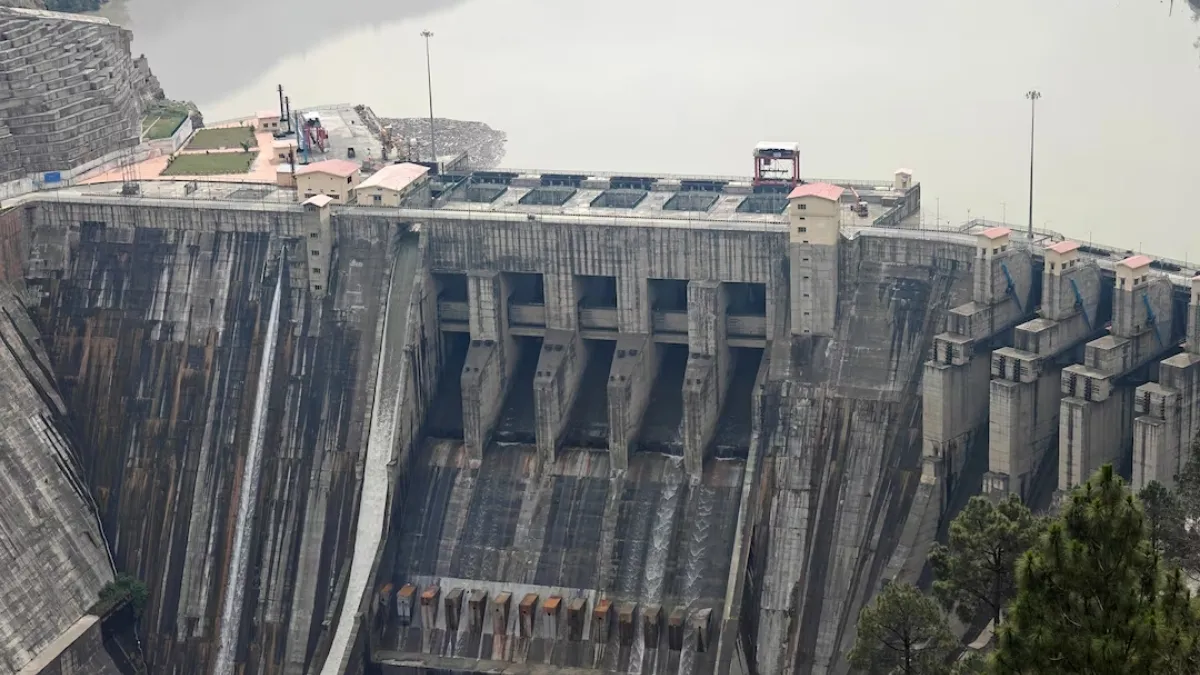
The Baglihar Hydropower Project (BHEP) is a major run-of-the-river power project located in the Ramban district of Jammu and Kashmir, India. Built across the fast-flowing Chenab River, the project stands as a testament to modern hydraulic engineering in the rugged terrain of the Middle Himalayas. Conceived in 1992 and approved in 1996, it was the first major project executed by the Jammu and Kashmir State Power Development Corporation (JKSPDC).
The project is designed to harness the river's energy without the need for a massive storage reservoir, adhering to the international guidelines for sustainable water management.
The project faces ongoing challenges. In February 2026, Stage I operations were temporarily suspended due to flooding in the machine room during maintenance, highlighting the constant battle against the volatile Himalayan climate.
Key Features
The project was developed in two distinct stages to maximize efficiency and manage the immense technical challenges of the Himalayan geology.
| Feature | Details |
| River | Chenab |
| Location | Ramban District, J&K (near Chanderkote) |
| Total Capacity | 900 MW (Stage I: 450 MW; Stage II: 450 MW) |
| Dam Type | Concrete Gravity Dam |
| Dam Height | 143 meters (approx. 469 ft) |
| Turbines | 6 x 150 MW Francis-type turbines |
| Reservoir Capacity | 475 million cubic meters |
What is the Indus Waters Treaty Dispute?
The project gained international attention due to objections raised by Pakistan, which claimed the design violated the Indus Waters Treaty (1960). Pakistan argued that the dam's gated spillways and pondage capacity gave India the power to manipulate river flows.
In 2005, the World Bank appointed a neutral expert, Raymond Lafitte, to resolve the dispute. The final verdict in 2007 largely upheld India’s right to build the gated spillways but recommended minor technical adjustments:
-
Pondage reduction: Reduced from 37.5 million cubic meters to 32.56 million.
-
Dam height: A 1.5-meter reduction in freeboard.
-
Intake level: Raising the power intake tunnels by 3 meters.
What is Significance?
The Baglihar project plays a pivotal role in the socio-economic development of Jammu and Kashmir. It provides a reliable source of clean energy to the northern grid, significantly reducing the power deficit in the region. The construction created thousands of local jobs and improved infrastructure, including roads and tunnels in previously inaccessible areas. Located in a silt-heavy region, the dam uses advanced "drawdown flushing" techniques to clear sediment, extending the reservoir's lifespan to over 80 years.




Comments
All Comments (0)
Join the conversation