

Key Points
- The UP Board has made vocational education mandatory for classes 9 and 11.
- It aims to boost student employability and aligns with NEP 2020 focus on skill development.
- Full implementation is expected by the 2026 academic session.
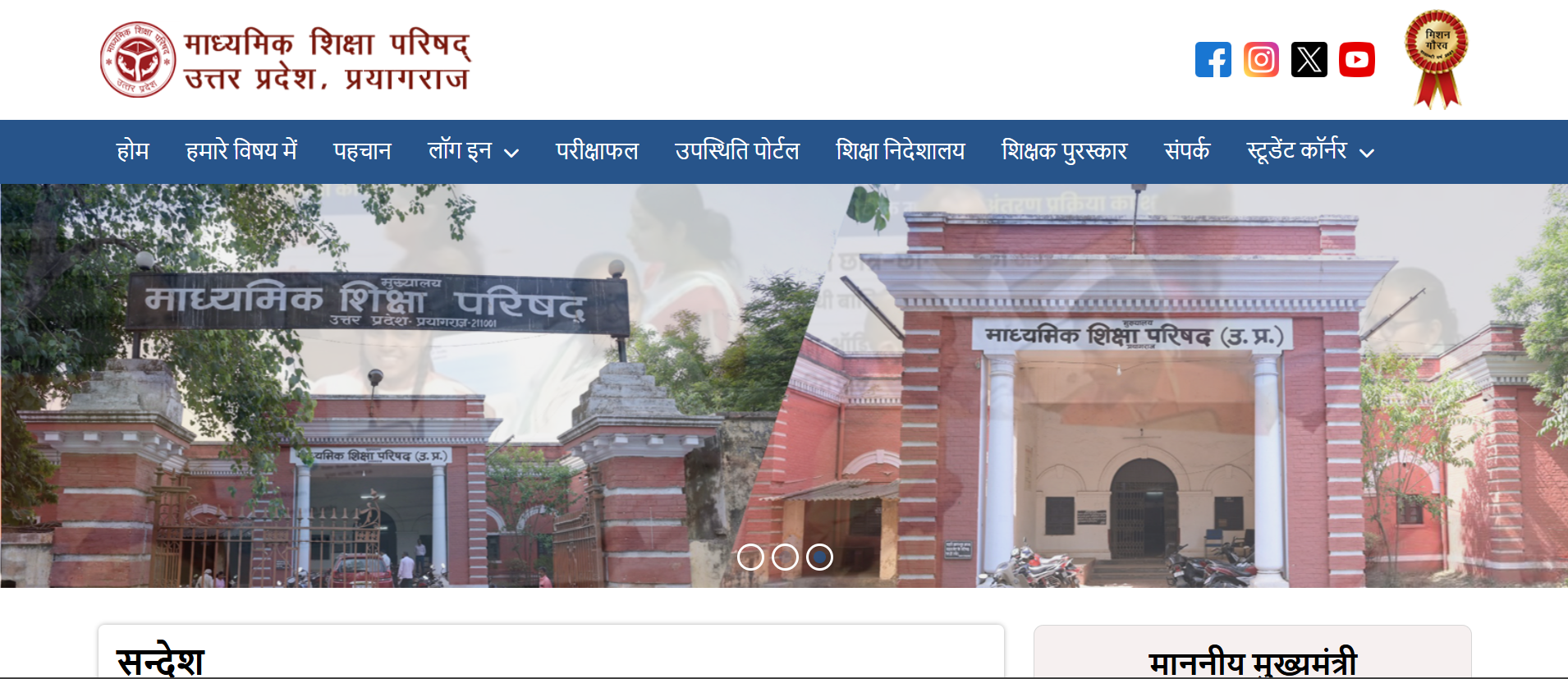
The Uttar Pradesh Madhyamik Shiksha Parishad (UPMSP), also known as the UP Board, has taken a significant step towards enhancing the employability of students by making vocational education compulsory for students in classes 9 and 11. This initiative aligns with the goals of the National Education Policy (NEP) 2020, which emphasizes skill development and preparing students for the future job market. The change is expected to be fully implemented by the academic session 2026.
Why did the UP Board take this Decision?
The decision to make vocational education compulsory stems from a growing recognition of the importance of practical skills alongside academic knowledge. Traditional education systems often focus heavily on theoretical concepts, leaving students ill-prepared for the demands of the modern workforce. By integrating vocational training into the curriculum, the UP Board aims to:
- Enhance Employability: Equip students with job-ready skills, increasing their chances of securing employment after completing their education.
- Bridge the Skill Gap: Address the mismatch between the skills possessed by graduates and the requirements of industries.
- Promote Entrepreneurship: Encourage students to explore self-employment opportunities by providing them with the necessary skills and knowledge.
- Align with NEP 2020: Implement the recommendations of the National Education Policy, which emphasizes vocational training and skill development.
- Reduce Unemployment: By providing students with skills and knowledge, the initiative aims to reduce unemployment and enhance their opportunities for economic advancement.
UP Board Curriculum and Implementation
The UP Board will introduce a range of vocational subjects covering various sectors such as:
- Information Technology
- Agriculture
- Healthcare
- Tourism and Hospitality
- Retail
- Automotive
The curriculum will be designed to provide a blend of theoretical knowledge and practical training. Students will have the opportunity to gain hands-on experience through workshops, internships, and industry visits. The UP Board will also collaborate with industries and vocational training institutes to ensure that the curriculum is aligned with the latest industry standards and requirements.
The introduction of compulsory vocational education will be phased in, with the goal of full implementation by the academic session 2026. This gradual approach will allow the UP Board to address any challenges and ensure a smooth transition. Pilot programs may be implemented in select schools to test the effectiveness of the curriculum and identify areas for improvement.
Benefits and Challenges in UP Board School Curricula
Benefits
The implementation of compulsory vocational education has the potential to yield numerous benefits, including:
- Increased Employability: Students will be better prepared for the job market, increasing their chances of securing employment.
- Economic Growth: A skilled workforce will contribute to economic growth and development.
- Reduced Unemployment: By equipping students with job-ready skills, the initiative can help reduce unemployment.
- Empowered Students: Vocational training can empower students by providing them with the skills and knowledge to pursue their passions and achieve their goals.
- Alignment with National Goals: The initiative aligns with the goals of the National Education Policy (NEP) 2020, which aims to create a more relevant and effective education system.
Challenges
Despite the potential benefits, the implementation of compulsory vocational education may also face several challenges, including:
- Infrastructure: Ensuring that schools have the necessary infrastructure, such as workshops and equipment, to provide quality vocational training.
- Teacher Training: Training teachers to effectively deliver vocational education and provide students with hands-on experience.
- Curriculum Development: Developing a curriculum that is aligned with industry standards and meets the needs of students.
- Industry Collaboration: Establishing strong partnerships with industries to provide students with internships and job opportunities.
- Parental Acceptance: Overcoming parental resistance to vocational education and promoting the value of practical skills.
The UP Board's decision to make vocational education compulsory for classes 9 and 11 is a welcome step towards enhancing the employability of students and aligning the education system with the needs of the 21st-century workforce. While challenges may arise during implementation, the potential benefits of this initiative are significant. By equipping students with practical skills and knowledge, the UP Board is empowering them to succeed in their careers and contribute to the economic growth of the state. The success of this initiative will depend on effective implementation, strong partnerships with industries, and a commitment to providing quality vocational training to all students.

Comments
All Comments (0)
Join the conversation