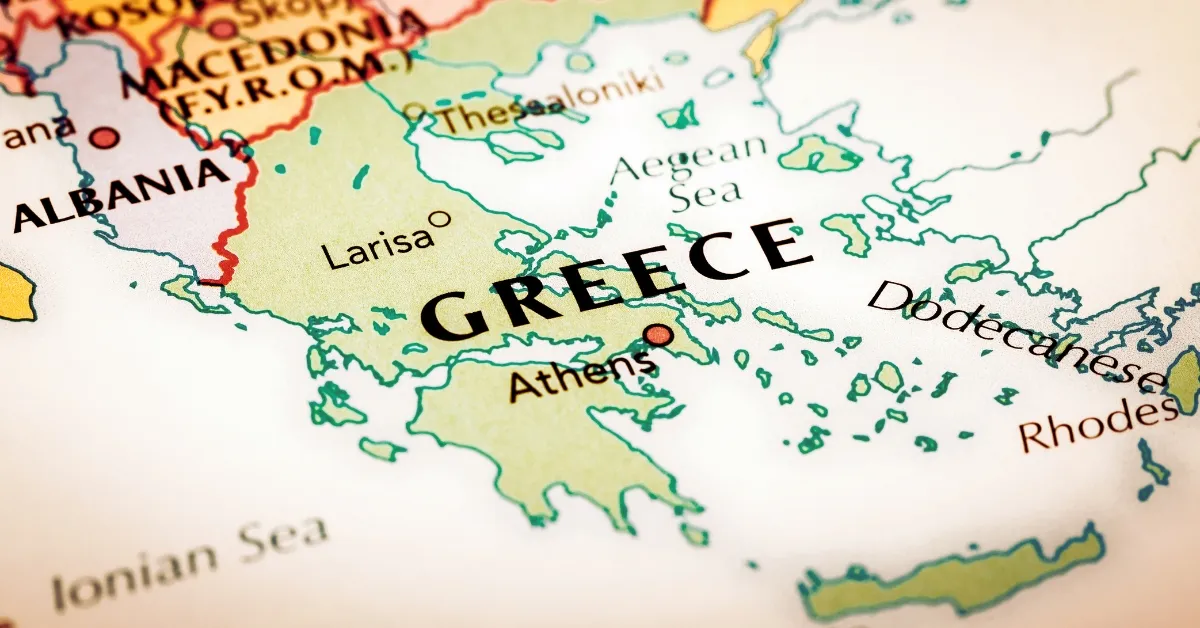
India is a land of incredible beauty and endless surprises. From the tall, snow-capped mountains in the North to the calm, blue waters in the South, every corner of this country has something special to offer. The landscapes change every few hundred miles, giving you a mix of green forests, golden deserts, and peaceful backwaters. It is truly a paradise for anyone who loves to travel and explore. But did you know that India also hides places that look just like famous spots abroad? Many people travel far across the ocean to see the world, yet some of those same views are right here at home. In fact, there is one specific town so stunning that it is often compared to a famous Mediterranean country. Do you know there is a place in India known as the Greece of India? In this article, we will explore this hidden gem and look at why it earned such a famous nickname.
ALSO READ| Which Place Is Known As The Finland Of India?
Which Place Is Known As The Greece Of India?
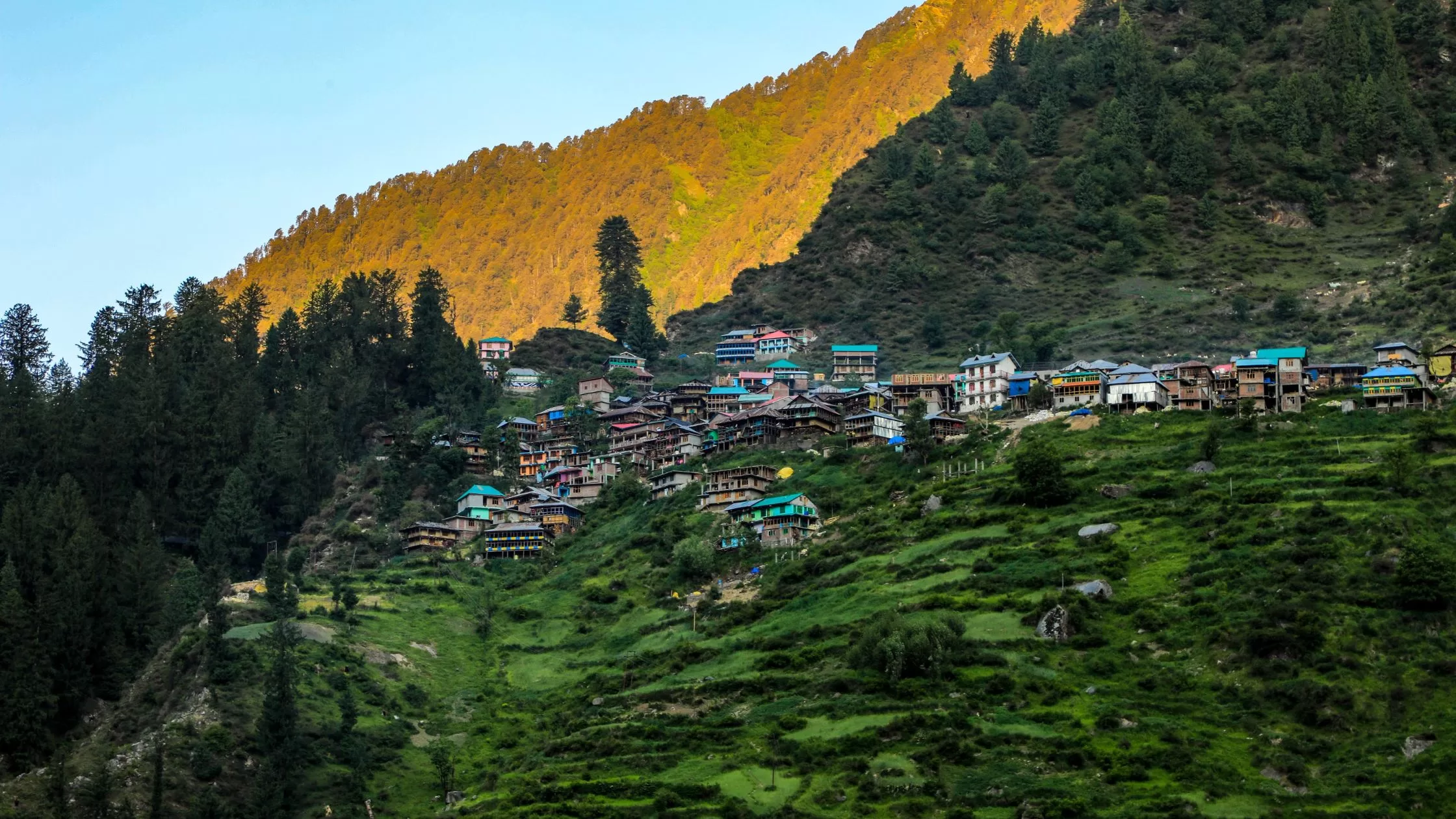
The place in India widely known as the "Greece of India" is the ancient village of Malana. Nestled in the Parvati Valley of Himachal Pradesh, Malana sits at an altitude of about 2,652 metres in the Kullu district. It earned this unique nickname because the villagers believe they are the direct descendants of Alexander the Great's army. Legend has it that several Greek soldiers took refuge here after being wounded in battle against King Porus and never left. Beyond its ancestry, Malana is famous for its independent social structure; it is often called the "Oldest Democracy in the World", governed by a complex bicameral parliamentary system guided by their local deity, Jamlu Devta.
IN CASE YOU MISSED| Which Place Is Known As The Netherlands Of India?
10 Fascinating Facts About Malana
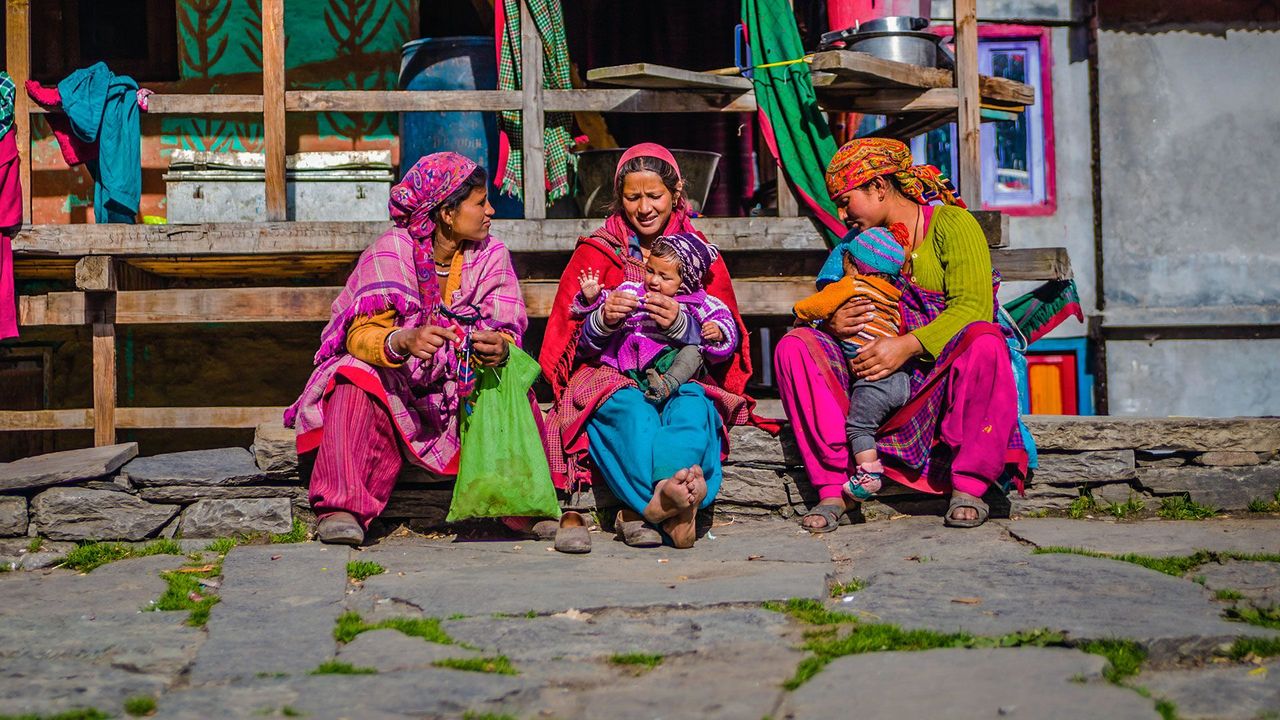
- Scientific genetic studies show Malanis have a distinct genetic profile compared to surrounding tribes, though evidence of a direct Greek "Y-chromosome" link remains a subject of ongoing research.
- The locals speak Kanashi, a Sino-Tibetan language found nowhere else in the world and unintelligible even to neighbouring villages.
- Long before modern parliaments, Malana established a two-house system: the Jayeshthang (Upper House) and the Kanishthang (Lower House).
- Due to centuries of endogamy (marrying only within the village), Malana is considered a "genetic isolate" by scientists, meaning it has very low genetic diversity.
- Instead of written history, Malana has traditionally used specific stone structures and oral traditions to trace its lineage.
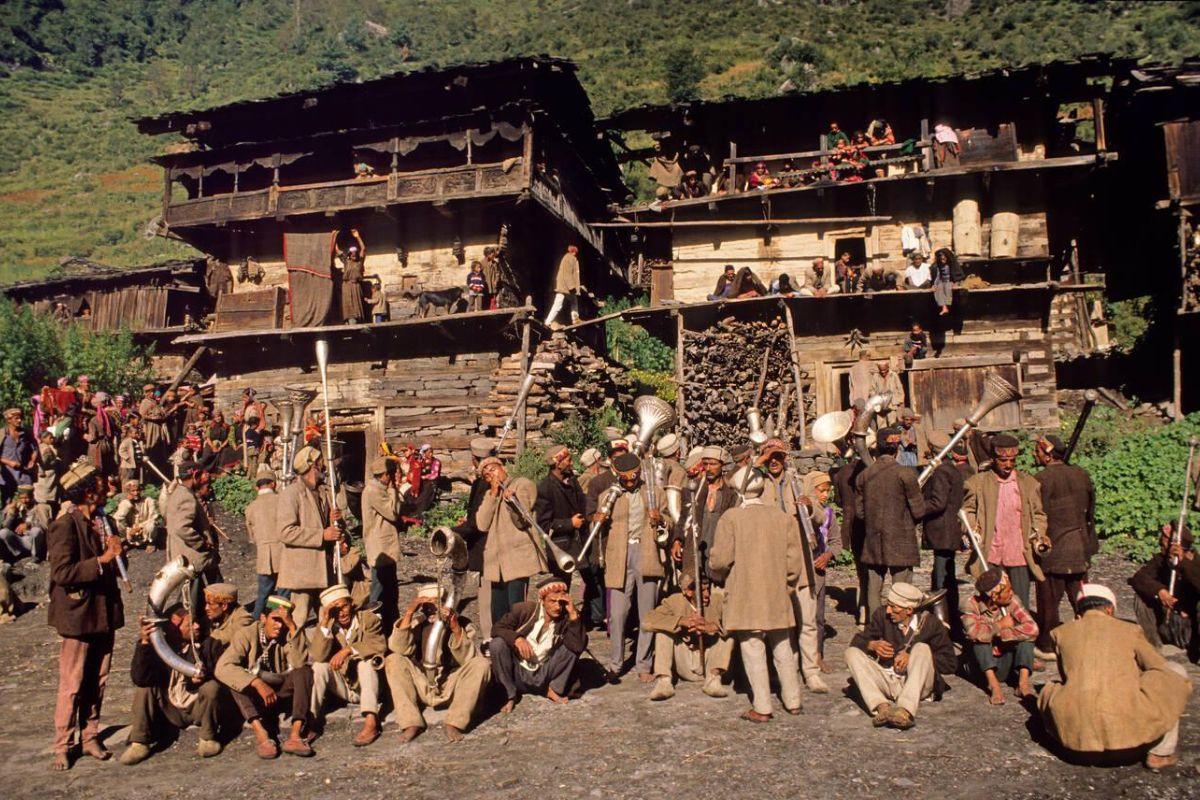
- Malanis traditionally follow a distinct lunar-solar calendar that dictates their harvest and festivals.
- Their houses are built in a specialised "Kathi-Kuni" style, with alternating layers of stone and wood, designed to be earthquake-resistant and naturally insulated.
- Because Malana is situated on a cliff, it receives significantly more direct UV radiation and sunlight hours than the valley floor.
- The village follows strict ecological and religious rules that ban leather items. This includes belts, shoes, and bags.
- The village does not follow the Indian Constitution in its internal affairs. Instead, they consult a human "oracle" through whom their deity, Jamlu Devta, is said to speak.
FOR YOU| Which Place is Known as the Mini Paris of India?
Why is Malana known as the Greece of India?

Malana is famously known as the "Greece of India" due to a mix of ancient legends, unique social structures, and modern genetic reasons. Here are several compelling reasons why this comparison exists:
1. The Legend of Alexander's Soldiers
The most popular historical reason is the "Lost Army" theory. When Alexander the Great retreated from India in 326 BC, legend says a group of his soldiers were too injured or tired to make the long journey back to Greece. They allegedly wandered deep into the Himalayas and settled in the secluded valley of Malana. To this day, many Malanis claim they are the direct descendants of these Greek warriors.
2. The Oldest Democracy in the World
Beyond physical appearance, the way Malana is governed is very similar to that of the City-States of Ancient Greece. Long before modern constitutions existed, Malana had a sophisticated two-tier parliamentary system.
- The Upper House (Jayeshthang): Similar to the Greek Gerousia (Council of Elders).
- The Lower House (Kanishthang): Similar to the Greek Ecclesia (Assembly of Citizens). This independent, democratic spirit is a hallmark of Greek political history, making the nickname a natural fit.
3. Genetic and Biological Studies
Researchers have been fascinated by the Malani people because they are a "Genetic Isolate."
- Physical Traits: For generations, travellers have noted that some locals have light-coloured eyes, fair skin, and distinct facial features that differ from those of neighbouring Indo-Aryan tribes.
- Haplogroups: Some preliminary DNA studies have looked for specific Mediterranean markers. While results are often complex due to centuries of marrying within the village (endogamy), the distinct "genetic distance" between Malanis and their neighbours suggests they have a very different ancestral origin, lending weight to the theory of a migrant group settling there thousands of years ago.
4. Linguistic Uniqueness (Kanashi)
The language spoken in Malana, Kanashi, is a central scientific mystery. It is a Tibeto-Burman language, yet it contains "pockets" of words that don't belong to any surrounding dialect. Some linguists believe these unique words could be remnants of an ancient language brought by outsiders, preserved perfectly because the village remained isolated by high mountains for centuries.
YOU MIGHT LIKE| Which Place Is Known As The Norway Of India?
What Is The Greek Name For India?
The ancient Greeks referred to India as Indikē (Ἰνδική). This name was derived from the River Indus, which the Greeks called Indos. Interestingly, the famous Greek historian Herodotus was among the first to write about "Indos" in the 5th century BC, though his descriptions were often based on legend. Later, after Alexander the Great's invasion, the term became more widely used in Greek literature to describe the vast, mysterious land beyond the Indus River, eventually evolving into the modern name "India".
Which Place In India Is Known As the Paris Of India?

Jaipur, the capital of Rajasthan, is widely known as the "Paris of India". This title was given because of the city's meticulous urban planning and wide, grand avenues, which were inspired by European architectural styles. Like Paris, Jaipur is a centre for culture, art, and stunning aesthetics. Its distinct pink buildings, magnificent forts, and vibrant heritage give it a romantic, regal atmosphere that mirrors the charm and elegance of the French capital.
HIGHLY RECOMMENDED| Which Place Is Known As The Scotland Of India?
Which Place Is Called the Athens Of India?

Madurai, an ancient city in Tamil Nadu, is known as the "Athens of India". This comparison stems from two main reasons: its historical significance and its architectural layout. Much like Athens, Madurai is one of the oldest continuously inhabited cities in the world. The city is built around the magnificent Meenakshi Amman Temple, with streets radiating outward like a lotus, just as the Parthenon dominates the Athenian skyline.
WHAT'S NEXT| Which Place Is Known as the Amsterdam Of India?





Comments
All Comments (0)
Join the conversation