Which Hill Station Is Known As The Mini Switzerland Of India?
Do you know which hill station is known as a "Mini Switzerland of India"? This Himalayan paradise sits at 6,500 feet, featuring a rare triple ecosystem where a central lake meets lush meadows and dense pine forests. Let’s discover this hidden gem.
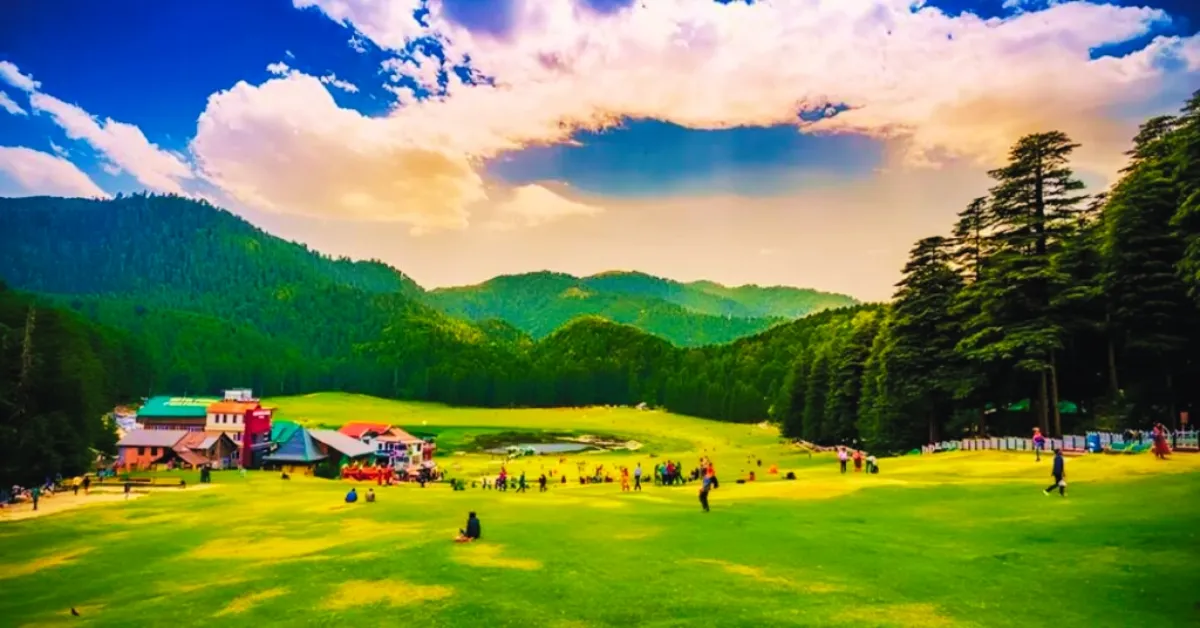
We all know the brochure version of Switzerland. It’s that picture-postcard slice of Central Europe with the jagged alpine peaks, glassy lakes, and villages that look like they were custom-built for Instagram.
It's also famously brutal on your wallet, though it helps that the locals enjoy a rock-solid economy, virtually no unemployment, and some of the highest wages on the planet. But let's be honest, most of us don't have "casual weekend in the Alps" money lying around.
Which brings us to a pretty wild alternative. What if you could get those exact same jaw-dropping, snow-capped mountain views without dealing with international flights, Schengen visas, or exchange rates that make you want to cry?
It turns out India has its own slice of alpine paradise hidden in plain sight. Let’s uncover the "Mini Switzerland of India" and why it actually lives up to the hype.
Which Place Is Known As The Switzerland Of India?
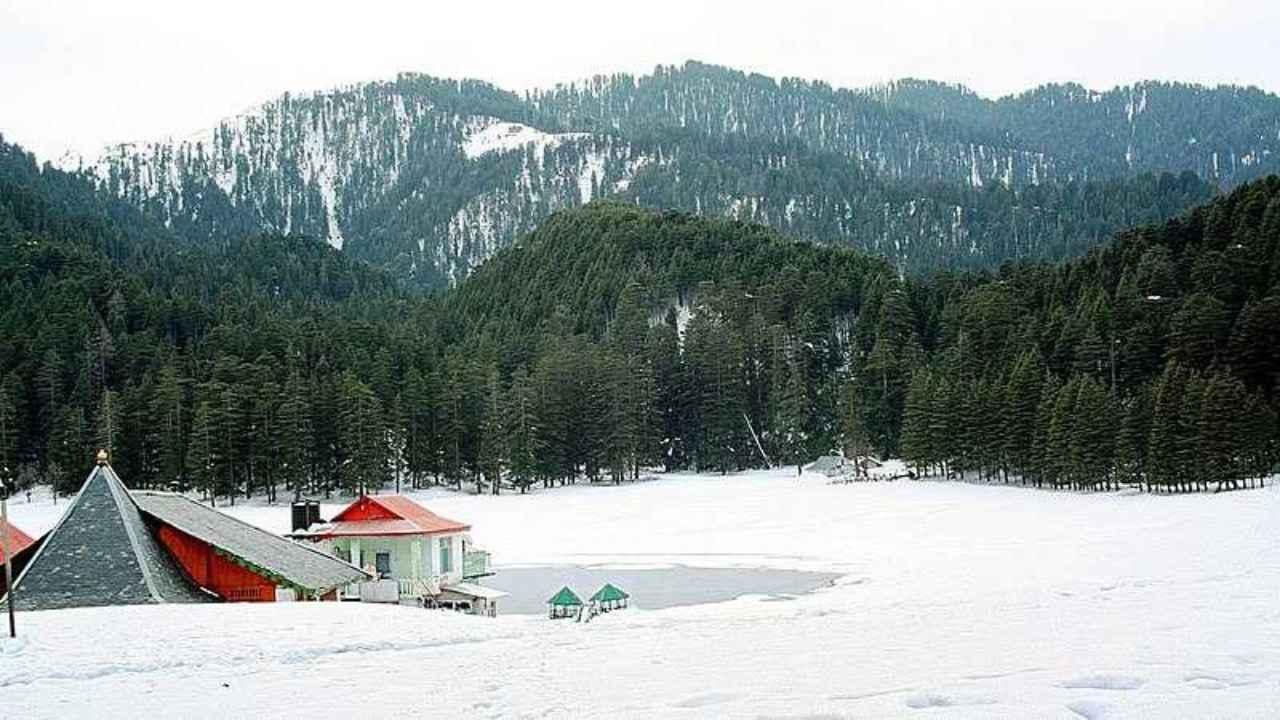
Khajjiar is one of those places that genuinely makes you blink twice to make sure your eyes aren't playing tricks on you. Tucked away in the hills of Himachal Pradesh's Chamba district, it constantly gets slapped with the "Mini Switzerland of India" label—but for once, the hype is actually real.
We aren't just talking about a marketing gimmick, either. Back in '92, a Swiss diplomat named Willy Blazer rolled into town, looked up at the scenery at 6,500 feet, and was so hit by nostalgia that he officially stamped it the world's 160th "Mini Switzerland".
What makes it so wild is the sheer geometry of the place. It's this massive, wide-open saucer of a meadow with a quiet lake sitting right in the centre, completely hemmed in by wall-to-wall towering pine and deodar forests. It looks less like India and more like a screen saver.
3 Lesser-Known Facts About Khajjiar
- Khajjiar Lake has a floating island made of an organic mat of intertwined roots and soil. It drifts across the water, driven by wind currents.
- The valley is a rare ecological ecotone where three distinct habitats—a wetland, a grassland, and a coniferous forest meet and coexist in one small area.
- The famous local trees are Cedrus deodara specimens that have grown multiple trunks from a single root system, usually due to early damage to the main bud.
Which Hill Station Is Known As Mini Switzerland Of India?
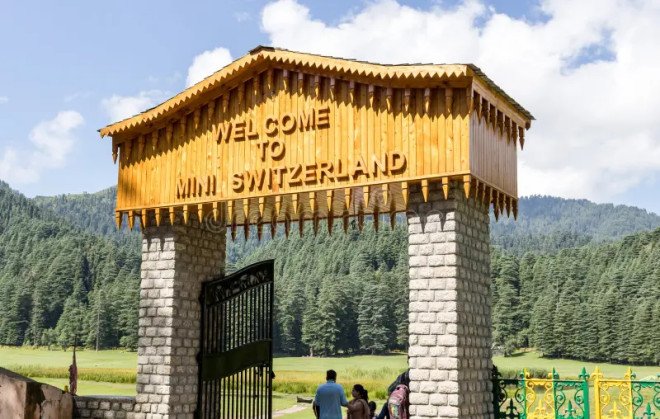
Khajjiar is a beautiful hill station in the Chamba district of Himachal Pradesh. It is often called the "Mini Switzerland of India". Tucked away in Himachal Pradesh’s Chamba district, it lives up to the hype. Picture this: a glassy little lake right in the middle, wrapped in a huge green meadow, all of it surrounded by pine and deodar trees that shoot straight up into the sky. At 6,500 feet, you get those crisp mountain vibes without ever leaving India.
Why is Khajjar known as the Switzerland of India?
So here's a fun bit of trivia: back in 1992, a Swiss diplomat named Willy T. Blazer showed up in Khajjiar, took one look around, and basically said, 'Yep, this place is Switzerland's long-lost twin'. He was so taken with the scenery that he officially dubbed Khajjiar the 160th 'Mini Switzerland' on the planet. To seal the deal, he lugged a stone from the village all the way back to Switzerland and plunked it down in the parliament circle.

Kriti Barua is a skilled content writer with 4+ years of experience in creating clear, engaging, and informative content. She began her writing journey as a Creative Writer Intern at Wordloom Ventures. She holds a BA degree from Delhi University and has completed a one-year diploma in TV Production and Journalism, which adds depth to her research and reporting style.
Kriti has worked across brand writing, marketing content, and digital media, building strong expertise in articles that connect with readers and perform well online. At Jagran New Media, she writes for the GK section, covering national news, international stories, and query-based articles that answer what people actively search for. Her work focuses on easy language, reliable information, strong keywords, and reader-friendly storytelling, making her content both helpful and search-friendly.

-1778952109346_t.webp)

