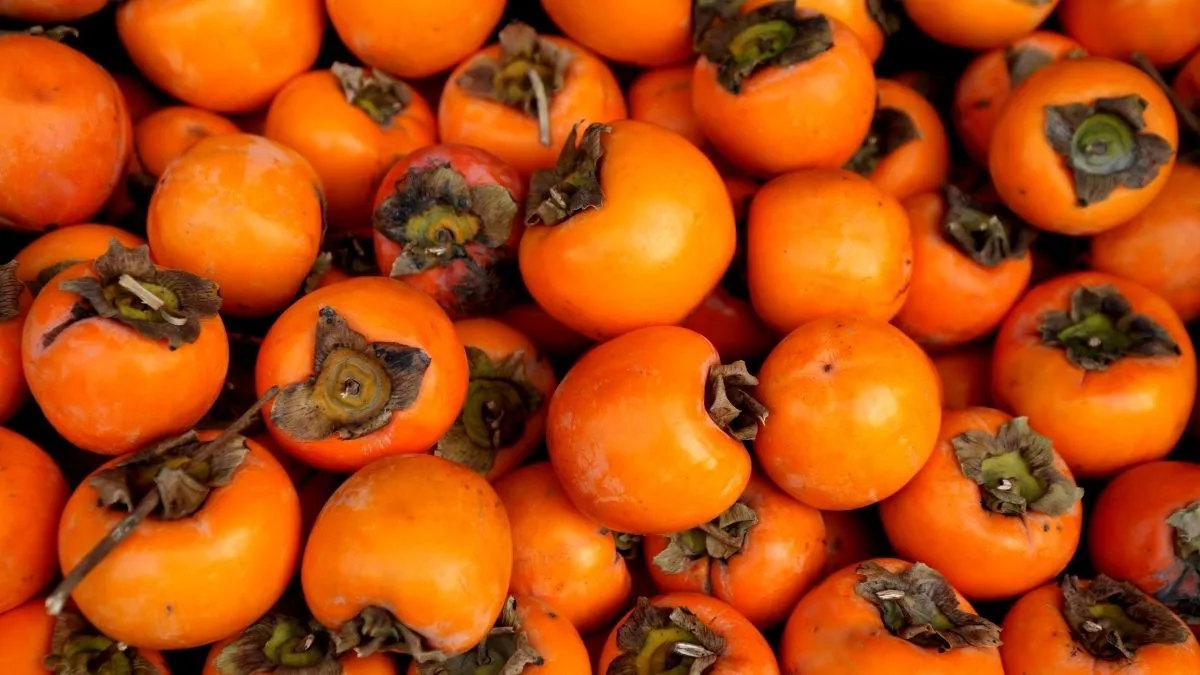
Fruit of God: Across cultures and centuries, fruits have carried meanings far beyond taste and nutrition. Some fruits symbolize prosperity, others purity, and a few are so deeply connected to faith and tradition that they are considered sacred.
In East Asia, one such fruit has quietly held a special place in everyday life as well as in religious and literary traditions. It has grown for centuries in temple grounds, household gardens, and rural landscapes, becoming a familiar sight rather than a luxury item.
Its varieties range from intensely bitter to naturally sweet, and its leaves, wood, and fruit have all been used in different ways.
Interestingly, its unique title was not given by local people themselves but by a foreign botanist who observed its deep connection with sacred spaces. So, let’s dive deep and know more about the ‘Fruit of God.’
READ | Which Country Uses Cookie Dough As Currency?
Which fruit is known as the fruit of God?
The fruit known as the Fruit of God is the Japanese persimmon, scientifically called Diospyros kaki. The name comes from Greek: Dios, meaning “divine or god,” and pyros, meaning “grain or fruit.”
Together, Diospyros translates to ‘fruit of the gods.’
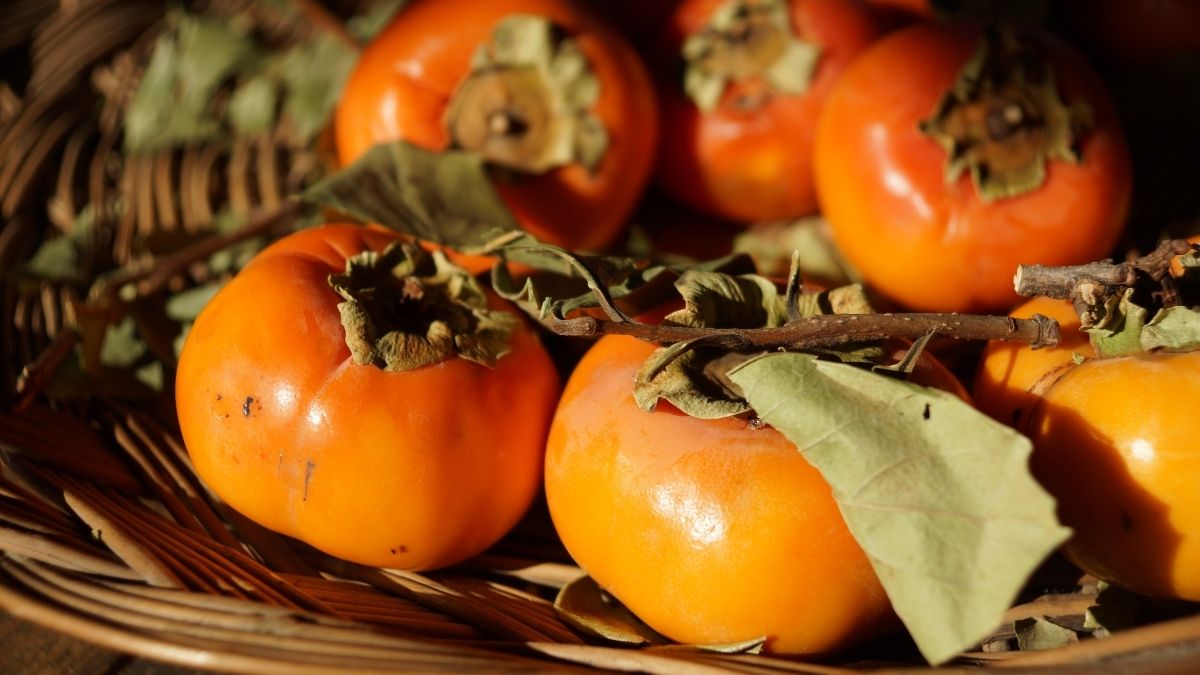
Persimmon
This name was given in the 18th century by Swedish botanist Carl Peter Thunberg, who visited Japan between 1775 and 1776. He noticed that persimmon trees were often planted near temples and shrines or places that are considered sacred. This association led him to choose a name that reflected the fruit’s spiritual surroundings rather than its everyday use.
Origin of the Fruit of God
The ancestors of the persimmon are believed to have emerged in Southeast Asia millions of years ago. Over time, the fruit evolved further in China before reaching Japan around 1,400 years ago. Archaeological findings from the Yayoi Period confirm its early presence, although it was not widely eaten at first.
For centuries, most persimmons were astringent, meaning they were extremely bitter when raw. These varieties had to be dried or processed before they could be consumed. A breakthrough occurred during Japan’s Kamakura Period when the first naturally sweet, non-astringent persimmon appeared. This development transformed the fruit from a preserved food into a fresh, widely enjoyed one.
Although the persimmon is common in Japan, the title ‘Fruit of God’ reflects more than rarity or luxury. It represents the fruit’s long-standing connection with nature, spirituality, and daily life. The name reminds us that something ordinary can still hold deep cultural and historical value.
Recommended Reading:






Comments
All Comments (0)
Join the conversation