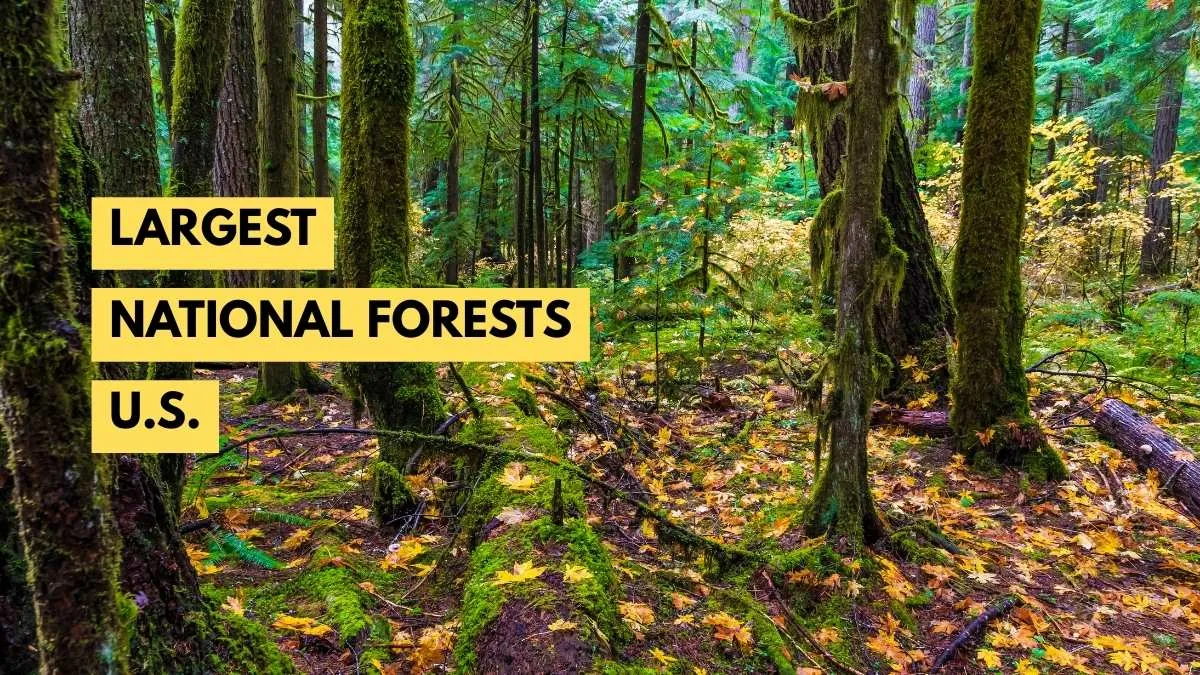
National Forests of the U.S.: National Forests represent an essential component of America’s natural resources. They are great sources for pure atmospheric air, sparkling filtered water, and habitats for many wildlife species, as well as areas for people to participate in nature’s bounties. The National Forest System includes a diverse range of ecosystems across millions of acres of land, with many of these ecosystems continuing to exist for tens of thousands of years, as well as providing for recreational purposes, educational opportunities, and protecting our natural resources. The National Forests include everything from snow-capped mountains to arid deserts to lush coastal rainforests and reflect the geographic and biological diversity of the United States.
The United States National Forest System is managed to balance environmental protection with public use. These forests support many plant and animal species, including many that are rare or endangered. They also preserve historical, cultural, and archaeological sites that tell the story of earlier civilisations and natural evolution.
Among the many national forests across America, some stand out for their sheer size. These forests cover vast areas, often larger than entire states or countries, and play a critical role in environmental stability.
READ | List of the Top 10 Longest Roads In the World
Largest National Forests in the U.S.
Here is the list of national forests in the U.S.:
| Forest Name | State |
| Tongass National Forest | Alaska |
| Humboldt-Toiyabe National Forest | Nevada and California |
| Chugach National Forest | Alaska |
| Salmon-Challis National Forest | Idaho |
| Bridger-Teton National Forest | Wyoming |
| Beaverhead-Deerlodge National Forest | Montana |
| Tonto National Forest | Arizona |
1. Tongass National Forest, Alaska
The Tongass National Forest is a temperate rain forest covering over 17 million acres in southeast Alaska surrounding the Inside Passage with stunning coastal scenery and towering trees.
2. Chugach National Forest, Alaska
Chugach National Forest is located outside of Anchorage, Alaska, covering over 5 million acres containing a very diverse landscape, including glaciers, mountains, and coastal ecosystems. Its mechanical Ice Age Glacier District has preserved the region's ancient icefield glaciers, which played a major role in the development of North America.
3. Humboldt-Toiyabe National Forest, Nevada and California
Covering approximately 6.3 million acres, the Humboldt-Toiyabe National Forest stretches across Nevada and parts of California. Most of this forest lies in Nevada, making it the largest national forest in the lower 48 states by land area.
4. Salmon-Challis National Forest, Idaho
The Salmon-Challis National Forest covers more than 4.2 million acres in central Idaho. One of its most notable features is the Frank Church- River of No Return Wilderness Area, the largest continuous wilderness in the contiguous United States. This forest offers remote landscapes, deep river canyons, and diverse wildlife.
5. Bridger-Teton National Forest, Wyoming
Bridger-Teton National Forest is located in western Wyoming, spanning about 3.4 million acres. It is home to three designated wilderness areas: the Bridger Wilderness, Gros Ventre Wilderness, and Teton Wilderness.
Recommended Reading:



Comments
All Comments (0)
Join the conversation