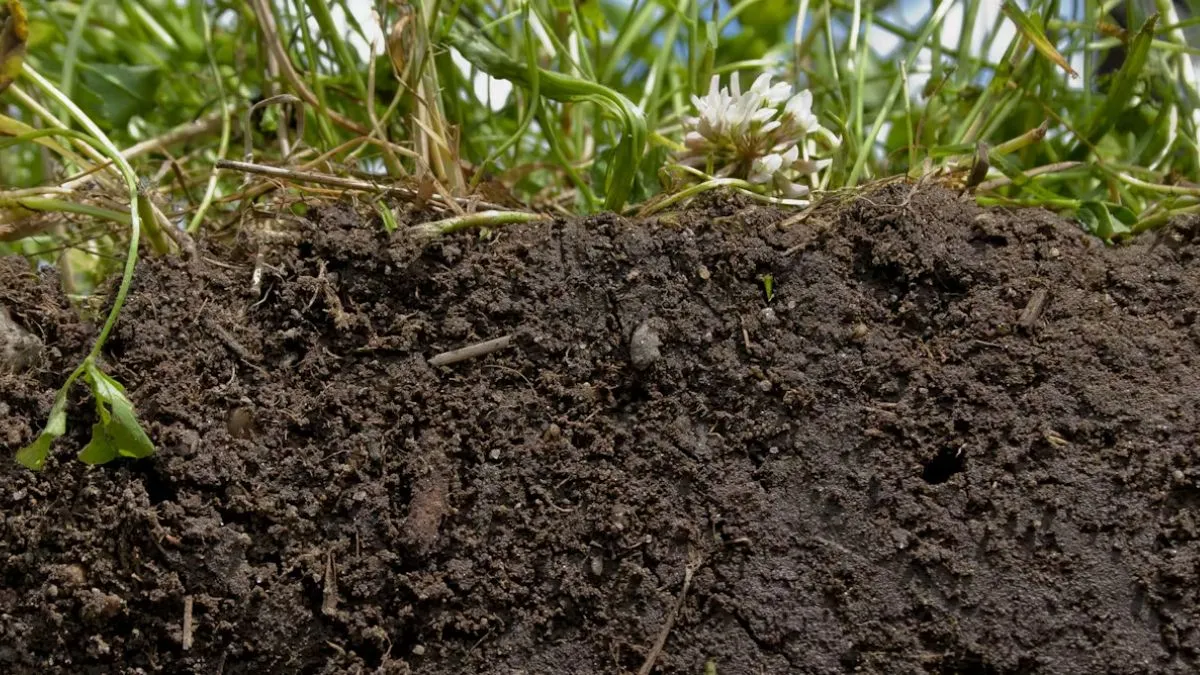
India is primarily an agricultural country. Soil quality forms the basis of much of Indian agriculture. Soil is the upper layer of the earth's surface, in which plants grow. It is formed from the decay of organic matter and the weathering of rocks and contains minerals, organic matter, water, and air. Soil is the mixture of rock debris and organic materials which develop on the earth surface. Simply put, soil is the top layer of the earth's crust.
The Indian Council of Agricultural Research (ICAR) has classified the Indian soils into eight major groups, which include alluvial soil, black soil, red soil, laterite soil, forest and mountain soil, arid and desert soil, saline and alkaline soil and peat and marshy soil.
In this article we will study the types of soil of Uttar Pradesh.
What type of soil is found in Uttar Pradesh?
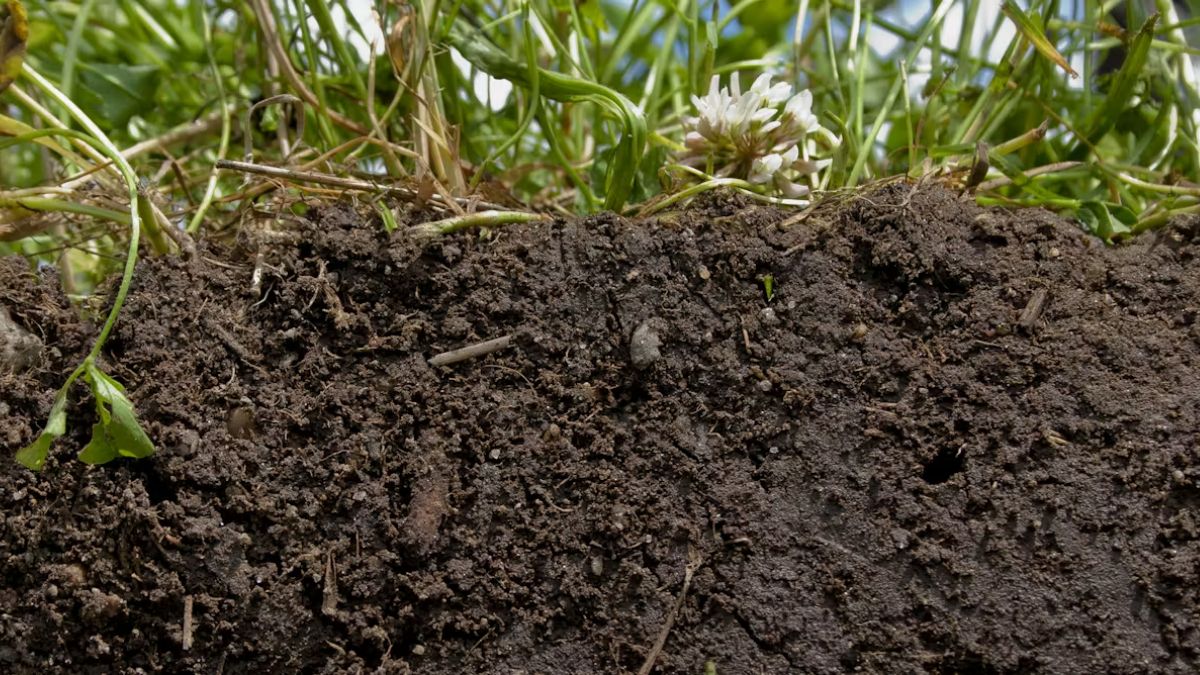
Uttar Pradesh is one of the agriculturally rich and diverse states in India. Uttar Pradesh, on the basis of rainfall, terrain and soil, has been divided into 9 agro-climatic zones. Further, based on regional divisions, the soils in UP are classified as follows: soils of the Bhabar and Terai regions, soils of the Gangetic Plains, and soils of the Southern Plateau.
Uttar Pradesh soil types include alluvial soil (bhangar and khadar), black soil, red soil, salt and alkaline soil (usar). Check the table below:
| # | Soil Type | Name of Agro-Climatic Zones |
| 1 | Alluvial Soil (Bhangar and Khadar) | Tarai and Bhabar, Western Plain zone, Mid Western Plain zone, South Western Semi-Arid Zone, Central Plain zone, North East Plain zone, Eastern Plain zone |
| 2 | Saline and Alkaline soil (usar) | Bundelkhand zone |
| 3 | Red Soil | Vindhyan zone |
| 4 | Black or Regur soil (Mar and Kabar) | Bundelkhand zone |
The districts covered under these agro-climatic zones are as below:
| # | Agro-Climatic Zone | Name of Districs |
| 1 | Tarai and Bhabar | Saharanpur, Muzaffarnagar, Bijnor, Moradabad, Rampur, Bareilly, Shahjahanpur, Pilibhit, Lakhimpur Kheri, Bahraich, Shravasti |
| 2 | Western Plain zone | Saharanpur, Muzaffarnagar, Shamli, Meerut, Bagpat, Ghaziabad, Hapur, Gautambuddha Nagar, Bulandshahar |
| 3 | Mid Western Plain zone | Bijnor, Amroha, Moradabad, Sambhal, Rampur, Bareilly, Budaun, Pilibhit, Shahjahanpur, Sitapur, Lakhimpur Kheri |
| 4 | South Western Semi Arid zone | Agra, Mathura, Firozabad, Mainpuri, Aligarh, Hathras, Etah, Kasganj |
| 5 | Central Plain zone | Farrukhabad, Kannauj, Etawah, Auraiya, Kanpur Nagar, Kanpur Dehat, Fatehpur, Kaushambi, Prayagraj, Hardoi, Unnao, Raebareilly, Lucknow |
| 6 | North East Plain zone | Bahraich, Shravasti, Balrampur, Gonda, Siddharth Nagar, Basti, Sant Kabir Nagar, Maharajganj, Gorakhpur, Kushinagar, Deoria |
| 7 | Eastern Plain zone | Barabanki, Ayodhya, Amethi, Sultanpur, Ambedkar Nagar, Jaunpur, Varanasi, Chandauli, Bhadohi, Ghazipur, Azamgarh, Mau, Ballia, Pratapgarh |
| 8 | Bundelkhand zone | Jhansi, Jalaun, Lalitpur, Hamirpur, Mahoba, Banda, Chitrakoot |
| 9 | Vindhyan zone | Mirzapur, Sonbhadra, Prayagraj (Southern part) |
Key Facts about Soil Types in Uttar Pradesh
Alluvial soil is the largest soil group in Uttar Pradesh, accounting for approximately 90 per cent of the state's total geographical area. Alluvial soil in UP is deposited primarily by the Ganga river and its tributaries.
Salt and alkaline soils are known by different names such as reh, kallar, usar, thur, rakar, karl and chopan. The accumulation of these salts makes the soil infertile and renders it unfit for agriculture.
It has been estimated that about 1.37 million acres of land in UP is saline and alkaline soil, as per ICAR-Central Soil Salinity Research Institute.