Key Points
- Aquaphobia is a psychological condition characterized by intense fear of water.
- Trauma, anxiety, and genetics are risk factors, NIH clinical research suggests.
- CDC distinguishes hydrophobia (rabies symptom) from aquaphobia (anxiety disorder).
In this article, we will explore about the Aquaphobia, which is also refers as the "fear of water", which may be different in individuals. Fear of water may be a result of many negative experiences.
In Aquaphobia, the Word “aqua” is Latin for water, and “phobos” is Greek for fear and it is a type of Phobia.
Let's dive into this article for in detail about Aquaphobia.
What is Aquaphobia?
Aquaphobia is a psychological condition in which an individual fears water very much and becomes deeply terrified by it.
This fear may be experienced even in the absence of danger.
A person who is aquaphobic might be extremely anxious just by mere thoughts of water, by just seeing pictures of the water, or by being close to water bodies like pools, rivers and oceans.
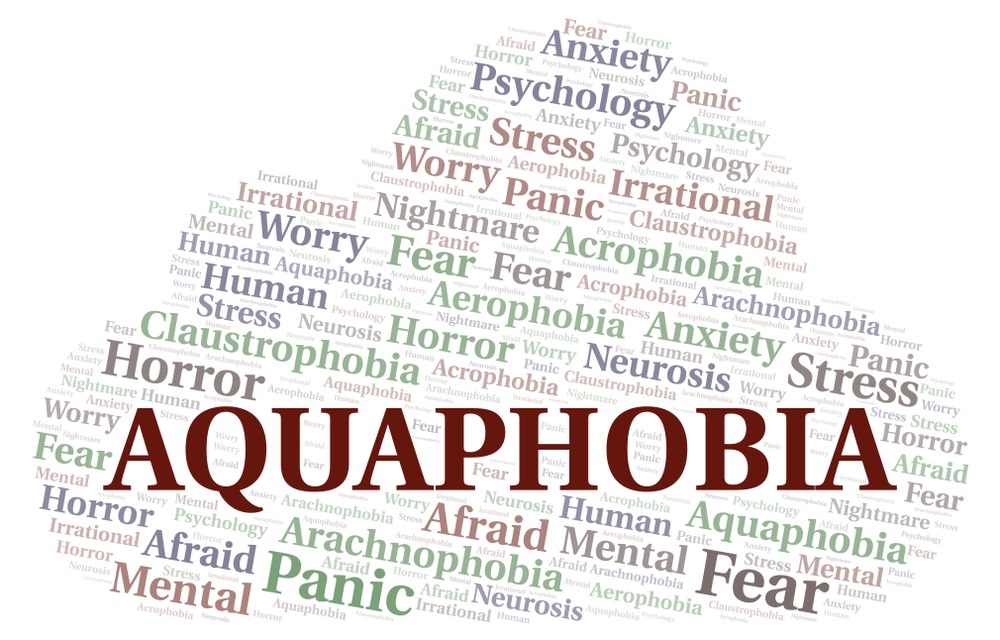
Source: shutterstock
The term aquaphobia is derived from two classical languages:
-
“Aqua” (Latin) meaning water
-
“Phobos” (Greek) meaning fear
This fear in extreme situations may disrupt the routine hygiene, such as bathing, showering, or even washing hands.
What is a Phobia?
A phobia is a form of anxiety disorder that is characterised by intense and unreasonable fear of an object, situation or activity. As opposed to normal fear, phobias are out of proportion to the actual danger and can severely interfere with regular life.
The National Institute of Mental Health (NIMH) defines specific phobias as extreme anxiety signs which often introduce avoidance behaviours, however, when the object of worry is not threatening or has little threat.
Aquaphobia is a specific phobia disorder; the stimulus in this case is water..
What Does a Person with Aquaphobia Fear?
The fear associated with aquaphobia is not limited to deep water. It may include anxiety related to:
-
Taking baths or showers
-
Getting wet by being sprayed or sprayed.
-
Drinking water
-
Massive natural water bodies like rivers, lakes and oceans.
-
Running tap water
The severity varies from person to person, ranging from mild discomfort to panic attacks.
Who is More Likely to Develop Aquaphobia?
Some people can be more prone to aquaphobia, especially when some are already facing other mental illnesses. Risk factors include:
-
Existing anxiety disorders
-
Other specific phobias
-
A past traumatic experience involving water (such as near-drowning)
Clinical research supported by the National Institutes of Health (NIH) highlights trauma as a major contributing factor in the development of specific phobias.
Phobias Commonly Associated with Aquaphobia
Aquaphobia may also be found with or similar to other phobias related to water, such as:
-
Ablutophobia – fear of bathing or washing
-
Cymophobia – fear of waves
-
Thalassophobia – fear of large or deep bodies of water
-
Megalohydrothalassophobia – fear of vast underwater objects or creatures
These terms are clinically recognised in mental health classifications referenced by government-supported diagnostic systems.
Aquaphobia vs. Hydrophobia: What’s the Difference?
Although the two terms sound similar, aquaphobia and hydrophobia are not the same.
-
Aquaphobia is a mental anxiety disorder that entails fear of water.
-
Hydrophobia, on the other hand, is a symptom of rabies, which is a medical symptom of late infection. It brings about painful spasms in the throat muscles in the case of an individual trying to swallow fluids.
The Centres for Disease Control and Prevention (CDC) clearly distinguishes hydrophobia as a neurological symptom of rabies, not a mental health condition.
Aquaphobia is not merely a fear of water, but it is a recognised anxiety, which could severely influence the functioning of daily activities. Its positive side is that it is very treatable using scientifically proven medicine.
The awareness of the condition, the ability to identify symptoms at a young age, and the ability to follow medical advice given by trusted organisations, supported by the government, will help a person overcome their fear and live a healthier and more balanced life.
In case the presence of aquaphobia disrupts your daily activity or health, one of the most important things to do to get better is to see a licensed mental health specialist.




-1767891137509.jpg)
-1767882938552.png)
Comments
All Comments (0)
Join the conversation