Key Points
- Cold waves in India, mainly from Nov-March, caused over 26,000 deaths (1972-2019).
- IMD defines cold waves by temp drops: 4.5-6.4°C below normal or ≤ 4°C in plains.
- IMD uses Green, Yellow, Orange, & Red alerts to warn public about cold wave severity.
Did you know that a sudden drop in temperature can be as dangerous as a heatwave? In India, a cold wave is a period of unusually low temperatures that can be deadly to humans.
These icy winds come from Central Asia and the Mediterranean region. They enter India through the northwest, moving over Pakistan and the Himalayas as "Western Disturbances".
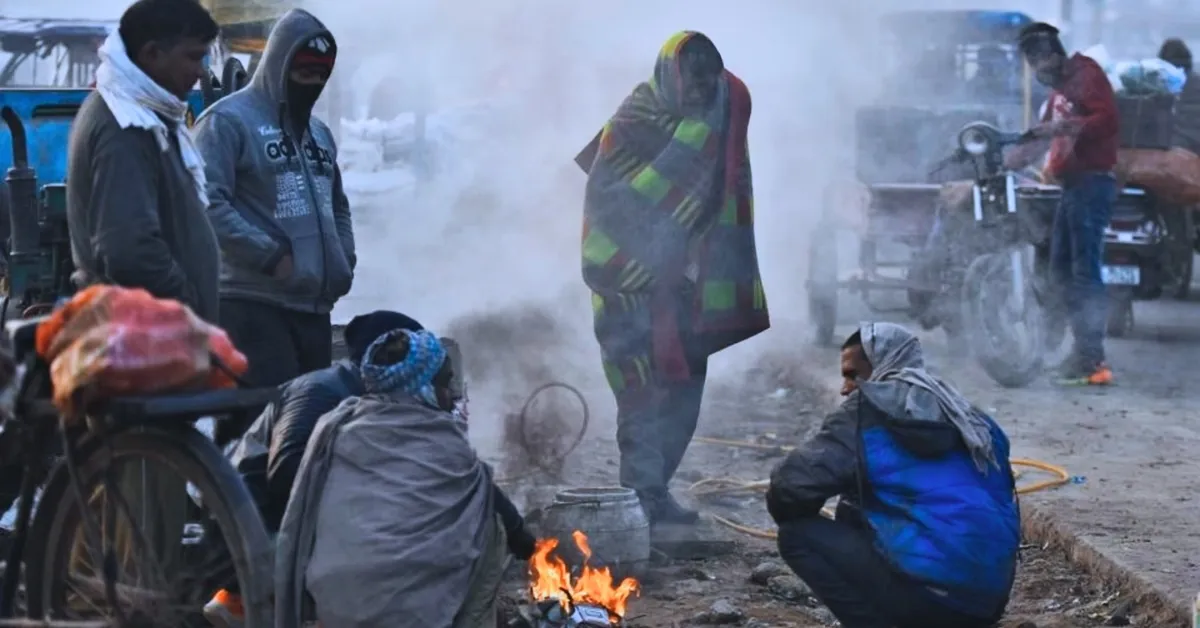
As the freezing winds blow across the plains, they cause severe shivering, hypothermia, and even death for those who are vulnerable.
#UPDATE | North India is experiencing a severe cold wave. IMD has issued an orange alert for Delhi, Uttar Pradesh, Haryana, Punjab, and Rajasthan.
Cold and fog warnings are in place across the northern plains, with a Severe Cold Day alert for East Rajasthan and ground frost… pic.twitter.com/MYW33bRQ7V— PB-SHABD (@PBSHABD) January 8, 2026
From 1972 to 2019, cold waves took more than 26,000 lives in India. Also, cold waves are harsher than heat waves and have taken the lives of many people.
To protect people, the India Meteorological Department (IMD) has a system to warn the public. Did you know there are four different levels of alerts?
In this article, we will discuss the various types of cold wave alerts. We will cover the criteria for each type and how you can stay safe during the peak of winter.
What are Cold Waves?
A cold wave is a sudden and significant drop in air temperature that can be dangerous for humans, animals, and crops.
In India, these waves mainly happen between November and March. They bring freezing winds and thick fog to the northern and central regions of the country.
According to the India Meteorological Department (IMD), a cold wave isn't just about feeling cold. It is defined by specific temperature drops:
How is a Cold Wave Defined?
The IMD uses two main ways to decide if it is a cold wave
- Based on Normal Temperature: If the minimum temperature is 4.5°C to 6.4°C lower than what is "normal" for that date.
- Based on Actual Temperature: In the plains, if the minimum temperature falls to 4°C or less, a cold wave is declared regardless of the "normal" temperature.
Why do Cold Waves Happen in India?

Cold waves are caused by several natural factors working together:
- Coming from the Mediterranean, also known as 'Western Disturbances', these waves carry chilly air and moisture to northwest India.
- When it snows in the mountains, the winds that blow down to the plains bring that freezing chill.
- On winter nights, clouds act like a blanket. Without them, the Earth's heat escapes quickly into space, making the ground freezing cold by morning.
- The La Niña global weather pattern often makes winters in India more difficult. It brings stronger, colder winds down from the north.
What are the Different Cold Waves?
The IMD classifies these events based on Temperature Departure, which indicates how much colder it is than usual, and Actual Temperature.
| Category | Definition (In Plains) | Definition (In Hills) | Impact Level |
| Cold Wave | Temp is 4.5°C to 6.4°C below normal OR actual temp ⋜ 4°C. | Temp is 4.5°C to 6.4°C below normal. | Moderate: Increased risk of flu and localised crop damage. |
| Severe Cold Wave | Temp is > 6.4°C below normal or actual temp ⋜ 2 °C. | Temp is > 6.4°C below normal. | High: Risk of hypothermia and heavy frost damage to crops. |
| Cold Day | Max temp is 4.5°C to 6.4°C below normal (when min is ⋜ 10°C). | Max temp is 4.5°C to 6.4°C below normal. | Low-Moderate: Chilly days with little sunlight; uncomfortable for outdoor work. |
| Severe Cold Day | Max temp is > 6.4°C below normal (when min is ⋜ 10 °C). | Max temp is > 6.4°C below normal. | Moderate: Very little daytime warmth; dangerous for the elderly and homeless. |
Why are "Cold Days" different from "Cold Waves"?
- The Cold Wave looks at the Minimum Temperature, which is usually measured at night or in the early morning. It examines how cold the air becomes while you sleep.
- The Cold Day looks at the Maximum Temperature recorded during the day. This often occurs when thick fog prevents the sun from shining, making the afternoon just as cold as the morning.
How Many Cold Wave Alerts Are There?
The following table explains the four colour-coded levels used by the IMD to signal cold wave conditions across India.
| Alert Level | Meaning | Suggested Action |
| Green | No Warning | No specific action required; enjoy the weather. |
| Yellow | Be Aware | Stay updated with local weather reports. |
| Orange | Be Prepared | Take precautions against the cold and keep warm. |
| Red | Take Action | Extremely severe conditions; prioritise life safety. |
1. Green Alert (No Warning)
When you see a Green Alert, you're in the clear. The weather's steady, no cold wave is on the way, and temperatures feel about right for this time of year. There's nothing to worry about, no risks for your health or your crops. Just carry on with your usual routine. No need for extra winter gear or changing your travel plans.
2. Yellow Alert (Be Aware)
A Yellow Alert means you should pay attention. The weather's starting to turn, and a cold wave is probably coming soon. You might run into some small disruptions in your day-to-day, so it’s smart to check the weather more often and stay updated.

Source: X.com
3. Orange Alert (Be Prepared)
The forecast calls for "extremely bad" weather when an Orange Alert is released. This level points to a great cold-related disease risk, like influenza or frostbite. Anticipate buses and trains could possibly have power outages or delays. Gather your warm clothing, check your heating supplies, and be ready for disturbances.
4. Red Alert (Take Action)
Red Alert means the cold is severe and deadly. It means the cold is severe enough to result in major disruptions in transportation and energy, as well as major health problems. Protection of fragile people, cattle, and sensitive crops from frost demands a quick response.
Which is the Most Dangerous Cold Wave Alert?
)
The India Meteorological Department (IMD) issues a Red Alert as its most serious warning. This alert means "Severe Cold Wave" conditions and serves as a signal for authorities and the public to take action.
It is issued when temperatures fall to 2°C or lower in the plains, or when the difference from the normal temperature exceeds 6.4°C for an extended period.
At this point, the danger to life increases significantly, particularly for the elderly, infants, and individuals without proper shelter.
What are the Impacts of Extreme Cold Waves?

Source: newsonair.gov.in
Cold waves are more than just an inconvenience; they are a serious health hazard. Stay out in the cold too long, and you risk hypothermia—a dangerous drop in body temperature and frostbite.
Cold air also makes it harder to breathe, especially for people with asthma. When temperatures drop below freezing, frost forms and ruins crops like wheat, mustard, and pulses by freezing the water inside their cells.
And then there's the fog. Thick fog during cold waves throws flights and trains off schedule and makes driving way more dangerous.




Comments
All Comments (0)
Join the conversation