Show Key Points
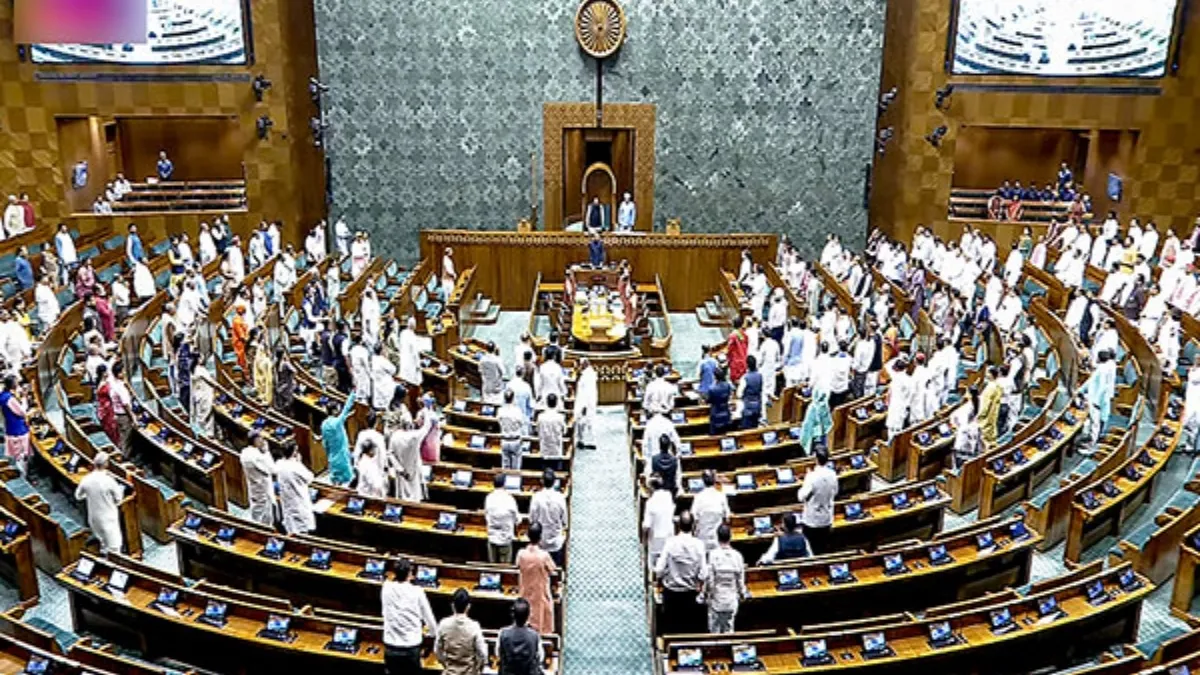
A Secret Sitting of parliament is considered a closed-door meeting where the public and media are excluded to discuss sensitive national issues. It is mentioned under the Rules of Procedure and Conduct of Business, however the Constitution of India empowers Parliament to frame its own rules under Article 118, specific protocols like Rule 248 in the Lok Sabha and Rule 266 in the Rajya Sabha allow for these secret sessions.
The Secret Sitting of Parliament was never used. It was once initiated by Members of Parliament during the India-China War in 1962 however Prime Minister Jawaharlal Nehru declined the request, opting instead for a public debate to maintain democratic transparency even in the face of war.
What is a Secret Sitting?
A Secret Sitting is a closed-door parliamentary session where the House meets to discuss matters of high importance. It usually involves national security or sensitive diplomatic issues—away from the eyes of the public, the press, and even the official gallery visitors.
The authority to approve Secret Setting of the House power rests with the Speaker of the Lok Sabha or the Chairman of the Rajya Sabha. Any unauthorized disclosure of such proceedings constitutes a gross breach of privilege, leading to severe disciplinary action against the members.
Secret Sitting of Parliament: Meaning and Essence
The core meaning of a secret sitting of parliament is total confidentiality during a session, galleries are cleared and complete transparency followed,
The primary objective of the sitting is to allow Members of Parliament (MPs) to debate critical issues with absolute candor, ensuring that sensitive information does not reach unauthorized ears or foreign adversaries.
Constitutional and Legal Provisions:
-
Article 118 of the Constitution empowers each House of Parliament to make rules for regulation, procedure and conduct.
-
The Lok Sabha Speaker has the power to order a Secret setting of the house under Chapter 25, Rule 248 of the Rules of Procedure and Conduct of Business in Lok Sabha.
-
Similarly, the Rajya Sabha Chairman has the power to permit a Secret setting under the Rule 266 of the Rules of Procedure and Conduct of Business in the Council of States.
Key Features of a Secret Sitting:
-
No visitors, media, or outsiders are permitted in the Chamber, the Lobby, or the Galleries.
-
The Speaker or Chairman determines the manner in which the proceedings are recorded.
-
Members are prohibited from taking notes or keeping any written record of the discussion.
-
The proceedings are only published or disclosed if the Speaker decides to lift the veil of secrecy at a later date through a formal motion.
Who Can Initiate a Secret Sitting?
The Leader of the House (usually the Prime Minister or a designated Minister) makes a request to the Speaker/Chairman.
The Speaker of the Lok Sabha or the Chairman of the Rajya Sabha holds the ultimate authority to approve and schedule the sitting.
The Secret Sitting of parliament remains dormant but it is a vital part of India's parliamentary democracy to ensure the safety and integrity of the nation, sometimes requiring the shield of confidentiality although it hasn't been used in over 75 years.



Comments
All Comments (0)
Join the conversation