Russia-Ukraine War: Kyiv Launches 1000 Drones, Largest-Ever Attack on Moscow; Why is the War Continuing for Over Four Years?
Moscow Mayor Sergei Sobyanin regarded the attack as the largest-ever drone attack on the Russian capital. The strikes debilitated an oil refinery and a residential building, while authorities reported deaths and injuries in the Moscow region.
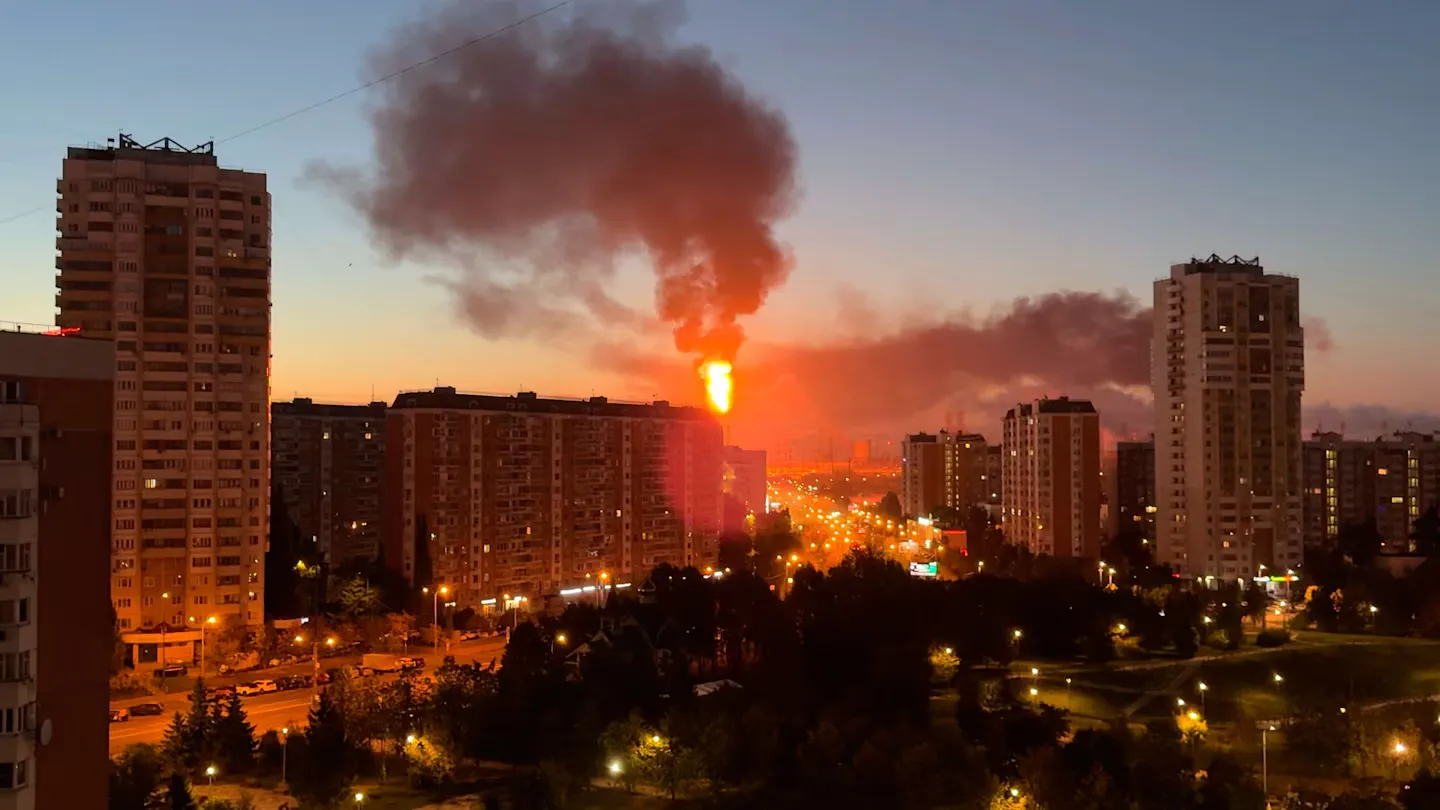
Ukraine launched one of its biggest long-range attacks on Russia on September 20, with more than 1,000 drones reportedly fired across Russian territory and hundreds directed towards Moscow. Moscow Mayor Sergei Sobyanin regarded the attack as the largest-ever drone attack on the Russian capital. The strikes debilitated an oil refinery and a residential building, while authorities reported deaths and injuries in the Moscow region.
What happened in the massive attack?
The attack happened when Russia was concluding its three-day parliamentary elections. Russian authorities said air defences knocked down several Ukrainian drones across the country.
Russia’s Defence Ministry reported that 1,100 Ukrainian drones had been shot down, including drones over Crimea and the Black Sea. Moscow authorities separately said hundreds of drones were heading towards the capital.
In the Moscow region, an oil refinery was damaged, and a residential building was struck. Andrei Vorobyov, governor of the Moscow region, said two people were killed and 20 injured.
Why was the Moscow oil refinery targeted?
Ukraine has targeted Russia’s energy infrastructure during the war, specially oil refineries and fuel facilities.
Ukrainian President Volodymyr Zelenskyy asserted the new operation targeted oil and logistics infrastructure, arguing that revenues from Russia’s energy sector help sustain the war. The Moscow Oil Refinery, situated in the south-eastern part, was among the facilities impacted.
The refinery is a crucial fuel supplier for Moscow, making energy infrastructure an integral part of Ukraine’s long-range strikes.
What weapons did Ukraine use?
According to Zelenskyy, the operation involved 10 types of Ukrainian long-range weapons, including FP-1, RZ-100, MICH-2000, Palianytsia, Vendetta, Liutyi, Bars, Flamingo, Sichen and Pelican.
Among the most prominent was the FP-5 Flamingo, a Ukrainian ground-launched cruise missile, which had a range of up to 3,000 kilometres and a warhead weighing more than one tonne. Russia stated that its forces defended eight Flamingo missiles during the attack.
Ukraine also used Palianytsia and Bars, which are defined as jet-powered “missile-drones”. Their combination with conventional drones underscores Ukraine’s developing long-range strike capabilities.
What is Pelican Weapon?
Pelican remains less clearly recognised. Zelenskyy listed it among the weapons used but did not specify whether it was a missile or drone.
Some reports have connected it to Ukraine’s developing ballistic-missile programme, while other analyses have called it a long-range one-way attack drone.
Why is the War Continuing?
The Russia-Ukraine war continues because the two countries remain at odds on the main issues needed for a full resolution. Territory is the biggest obstacle: Russian officials continue to identify territorial questions as a crucial issue, while Ukraine has not accepted Russia’s territorial demands.
Another major disagreement concerns security guarantees for Ukraine. Kyiv wants arrangements that would shield it against another Russian attack after any ceasefire or peace agreement. Russia, meanwhile, has opposed Ukraine’s future alignment with NATO and has pressed on demands concerning Ukraine’s military and geopolitical status. These differences have made it difficult to turn ceasefire discussions into a permanent settlement.
However, peace talks efforts continued with the US-led diplomatic bid in September 2026 after a months-long pause, with US representatives Steve Witkoff and Jared Kushner holding separate meetings with Russian President Vladimir Putin and Ukrainian President Volodymyr Zelenskyy. However, the meetings did not produce a breakthrough.

At Jagran Josh, she specialises in writing explainers and analytical stories on international news and current affairs. Over the years, she has developed strong expertise in leveraging digital and multimedia tools, along with SEO best practices, to enhance the speed, reach, and impact of her stories.





![[OUT] SSC CGL City Slip 2026 Live Updates: Download Tier 1 Exam City Slip, Direct Link Here](https://img.jagranjosh.com/images/2026/September/2192026/SSC-CGL-City-Slip.jpg)