
Key Points
- Himalayas block cold winds from Central Asia, preventing extreme winter conditions.
- The range spans 2,400 km from Jammu & Kashmir to Arunachal Pradesh.
- They trap monsoon winds, causing rainfall vital for agriculture and water security.
India’s climate is strongly influenced by its physical features, especially mountains. Despite being located in the northern hemisphere, large parts of India experience relatively moderate winters. This is mainly due to a massive mountain system in the north that shields the country from extreme cold. Understanding this mountain range is essential to understanding India’s climate.
Mountain Range That Blocks Cold Winds in India
The Himalayas are the mountain range that blocks cold winds in India. This vast mountain system stretches across the northern boundary of the Indian subcontinent and acts as a protective wall against icy winds coming from Central Asia and Siberia. Without the Himalayas, India’s climate would be far colder and less suitable for large-scale agriculture and human habitation.
Why Do the Himalayas Block Cold Winds in India?
The Himalayas consist of some of the highest mountain peaks in the world, many rising above 6,000 to 8,000 metres. These towering mountains obstruct the movement of cold, dry winds blowing southward from Central Asia. As a result, the freezing air masses are unable to penetrate into the Indian plains. This natural barrier helps maintain comparatively warmer winter temperatures across northern and central India.
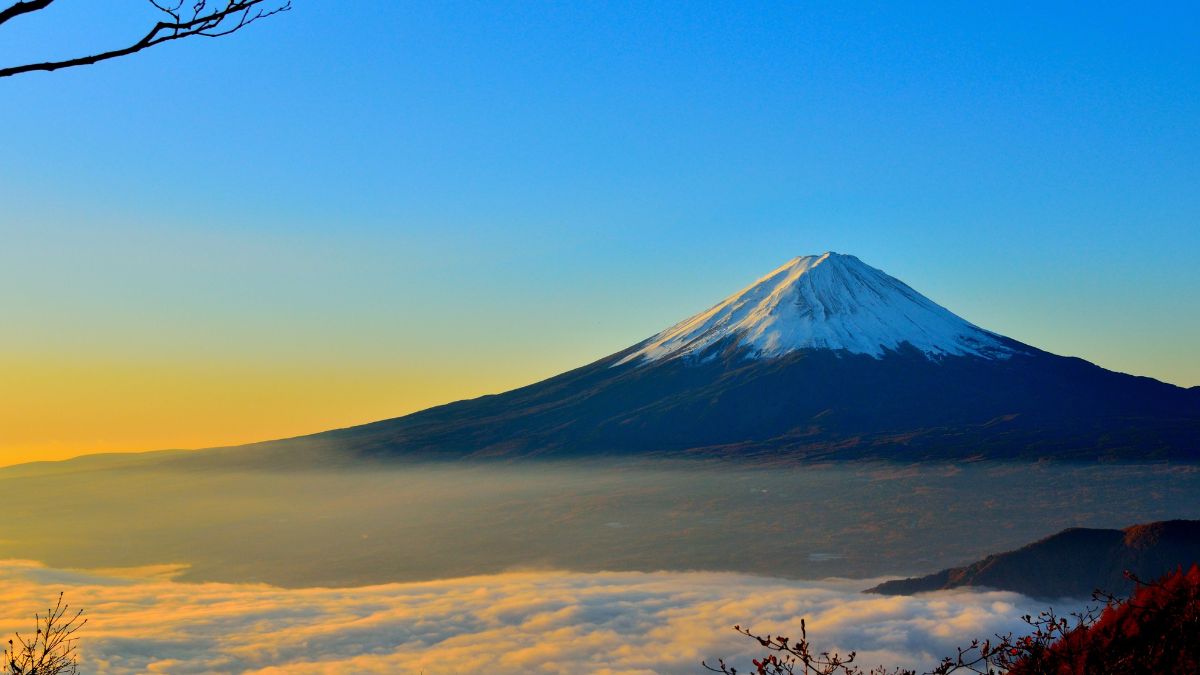
Location and Extent of the Himalayan Range
The Himalayan mountain range extends for nearly 2,400 kilometres from Jammu and Kashmir in the west to Arunachal Pradesh in the east. It spans across several countries including India, Nepal, Bhutan, and China. Within India, the Himalayas cover Jammu & Kashmir, Ladakh, Himachal Pradesh, Uttarakhand, Sikkim, and Arunachal Pradesh, forming a continuous northern boundary.
Impact of the Himalayas on India’s Climate
The Himalayas play a decisive role in shaping India’s climate. By blocking cold winds, they prevent extreme winter conditions in the northern plains. At the same time, they influence rainfall patterns by trapping moisture-laden monsoon winds. This dual function makes the Himalayas one of the most powerful climatic controllers in South Asia.
Effect on Agriculture and Human Settlement
Because the Himalayas block severe cold, vast regions like the Indo-Gangetic Plain remain fertile and climatically suitable for agriculture. Crops such as wheat, rice, barley, sugarcane and pulses grow successfully due to moderate temperatures. This has allowed dense human settlement and the development of some of the world’s oldest civilizations along river valleys fed by Himalayan glaciers.
Role of the Himalayas in the Indian Monsoon
The Himalayas prevent southwest monsoon winds from moving northward into Central Asia. When these moisture-laden winds strike the mountains, they rise, cool and condense, resulting in widespread rainfall across India. This mechanism is vital for replenishing rivers, groundwater, and reservoirs, making the Himalayas essential for India’s water security.
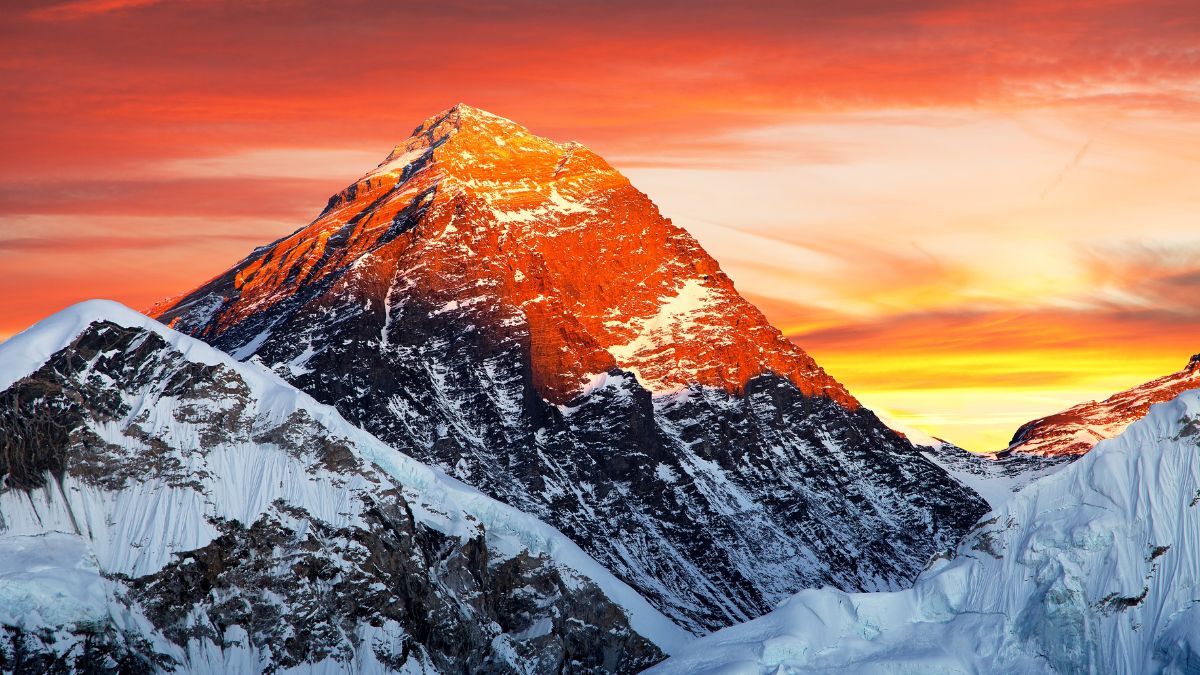
Interesting Facts About the Himalayas and Climate
Natural Climate Shield
The Himalayas act as a giant wall that protects India from icy winds originating in Siberia and Central Asia. This shielding effect is the primary reason why India does not experience extreme sub-zero temperatures during winter.
Temperature Regulation
Because of the Himalayas, northern India remains much warmer than regions lying at the same latitude elsewhere in the world. This temperature regulation supports year-round human activity and agriculture.
Rainfall Generation
The Himalayas force monsoon winds to rise, leading to heavy rainfall in the plains and snowfall in high-altitude regions. This process sustains India’s rivers and agricultural cycles.
Source of Major Rivers
Many major rivers such as the Ganga, Yamuna, Indus, Brahmaputra and their tributaries originate from Himalayan glaciers. These rivers are lifelines for millions of people.
Young and Rising Mountains
The Himalayas are geologically young fold mountains and are still rising due to tectonic activity. This ongoing uplift continues to influence climate patterns and river systems.
Read more: Which Mountain Is Called the Third Pole?
The Himalayas are the mountain range that blocks cold winds in India. By acting as a massive climatic barrier, they protect the subcontinent from freezing winds, regulate temperatures, control monsoons, support agriculture and sustain river systems. Keep reading for more such article.





Comments
All Comments (0)
Join the conversation