Tata Group Chairmen Shift: From Jamsetji Tata to Natarajan Chandrasekaran; Here's The Full List
The Tata Group has been shaped by visionary leaders from Jamsetji Tata to Natarajan Chandrasekaran. Here’s a complete list of Tata Sons chairmen and their role in building a global business legacy.
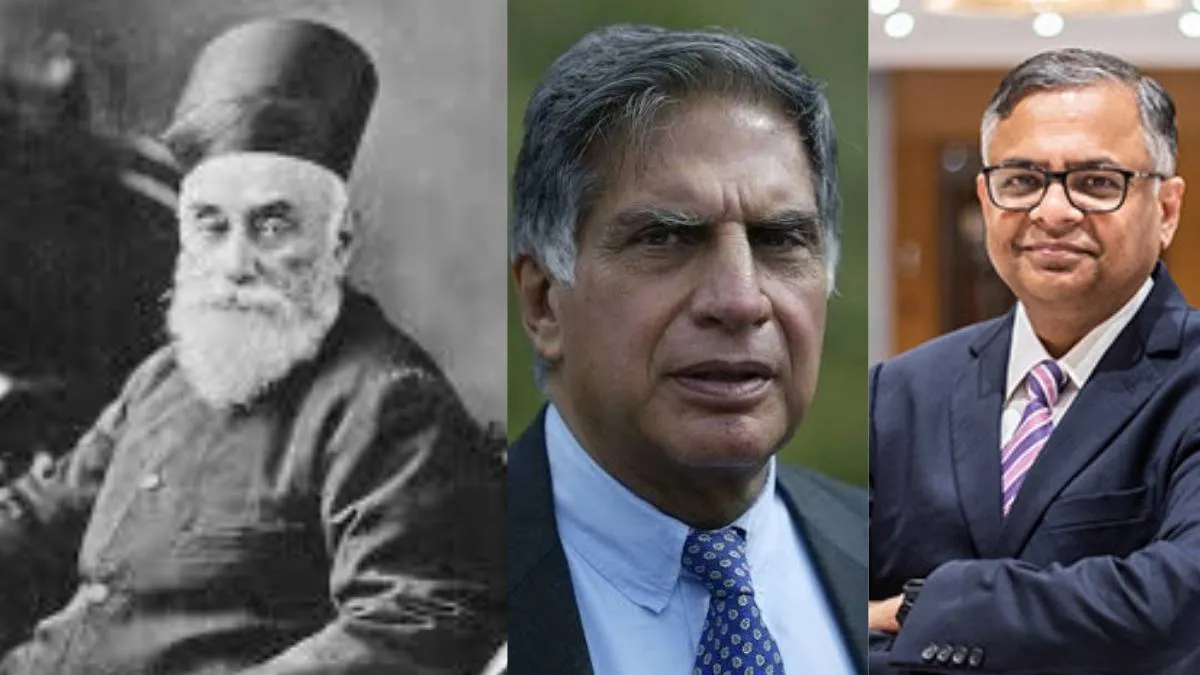
The Tata Group is one of India’s oldest and most well known business houses. It was founded by Jamsetji Tata in 1868 and it established its roots in industries such as textiles, steel and power. After his demise in 1904, the leadership was taken over by his son Dorabji Tata who continued the growth of the company.
Since then, many outstanding chairmen have led the Tata Group, shaping the company into a prominent global brand. Some of the prominent names include J. R. D. Tata, under whom the company underwent a major transformation and Ratan Tata, under whom the company extended its global footprint.
Today, in 2026, Natarajan Chandrasekaran, who has been with the company since 2017, has decided to step down as the chairman. Each of these leaders played their part in making the Tata Group one of the most iconic companies in India.
The Tata Group has had a series of influential chairmen since its inception in 1868. Here is a list of the chairpersons leading up to 2024:
List of Tata Group Chairmen
| Name | Tenure |
| Jamsetji Tata | 1868–1904 |
| Sir Dorabji Tata | 1904–1932 |
| Nowroji Saklatwala | 1932–1938 |
| J. R. D. Tata | 1938–1991 |
| Ratan Tata | 1991–2012, 2016–2017 |
| Cyrus Mistry | 2012–2016 |
| Natarajan Chandrasekaran | 2017- Till February 2027 |
About each chairmen of Tata Sons
-
Jamsetji Tata (1868–1904): Founded the Tata Group, laying the groundwork for one of India's largest conglomerates.
-
Sir Dorabji Tata (1904–1932): Consolidated the group very effectively, particularly in steel and power sectors
-
Nowroji Saklatwala (1932–1938): Consolidated all businesses of the Tata group in trying times.
- J. R. D. Tata (1938–1991): The visionarie leader who diversified the group into many sectors like aviation and hospitality besides having played a very important role in laying the foundation for Tata's footprint across the world.Ratan Tata (1991–2012, 2016-2017): Major acquisitions like Jaguar Land Rover and Corus Steel, marked further expansion of the group's international footprint, and had a brief interlude as interim chairman following the ouster of Cyrus Mistry.
- Cyrus Mistry (2012–2016): The first external chairman, his tenure was marked with great reorganization efforts but controversially ended with his removal.
- Natarajan Chandrasekaran (2017-2027): Took over in 2017, and is the architect of Tata Group’s digital and strategic expansion. He announced in August 2026 that he will not seek reappointment and will retire, but will remain as chairman until his term ends on February 20, 2027.
This succession chain depicts the Tata Group's flexibility and growth beyond over a century, first coping with the difficulties of their times and then staying committed to sound business ethics and social responsibility.
The legacy of leadership speaks for itself in the Tata Group, be it from Jamsetji Tata to Natarajan Chandrasekaran - vision, adaptability, and the ability to survive the test of times. With each one of the chairmen behind the group, the group has navigated its self into new technologies and best practices that will position it for growth in the future.

Aishwarya Samant is a journalist with over 4 years of experience navigating the fast-paced corporate media landscape. She specializes in decoding business news, world economy, personal finance, and stock market trends, often adding a subtle touch of political perspective to keep things interesting.
Having worked with reputed organizations like ZEE, TV9, News24, and NewsX, she is no stranger to the newsroom hustle and the demands of real-time storytelling. Her writing style is fast-paced, engaging, and crafted to connect seamlessly with diverse audiences across platforms. She approaches every story from the reader’s point of view, breaking down complex topics into clear, relatable narratives backed by solid facts and credible sources. While she’s confident in expressing strong viewpoints, she ensures balance with insights. Sharp, fact-driven content that informs, engages, and keeps readers coming back for more.


-(1)-1786532371487_t.webp)