10 Major Harvest Festivals of India: Check Full State-Wise List and Traditions
India celebrates dozens of regional agrarian traditions every year. Discover how many harvest festivals are there in India with our complete state-wise guide covering Makar Sankranti, Pongal, Baisakhi, Onam, and Bihu.
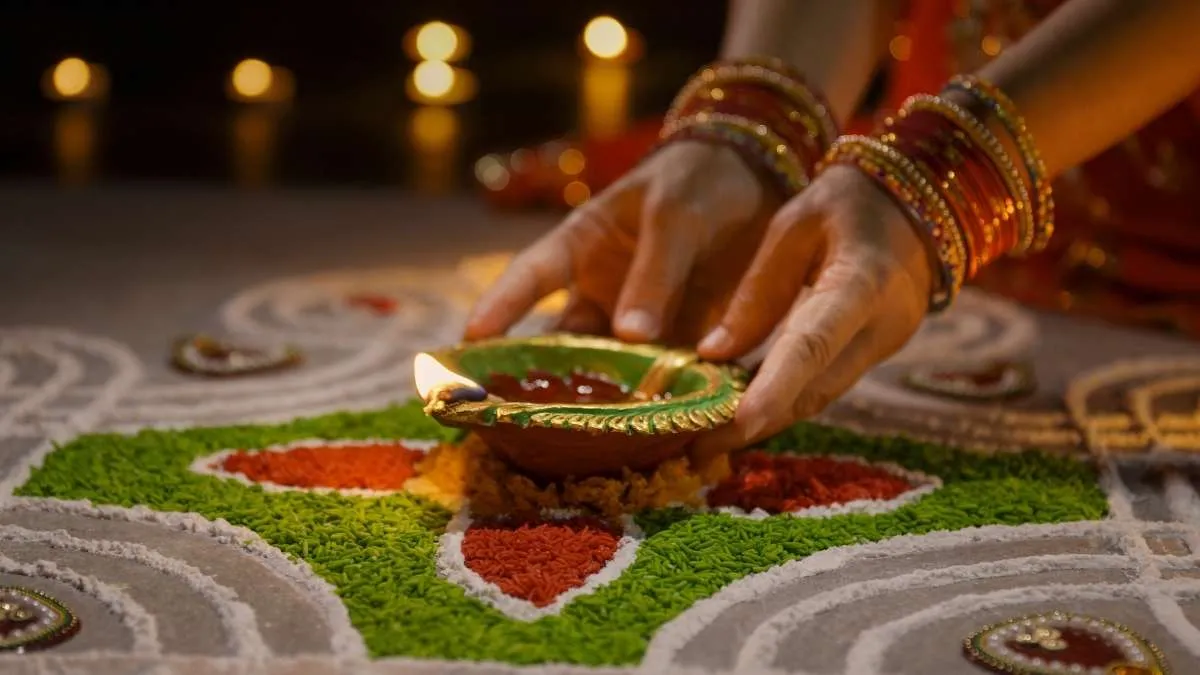
India is one of the largest economies of the world. And its growth primarily comes from agricultre sector with over 45% of its workforce employed in the farming fields as per the Ministry of Agriculture reports.
Farming is responsible for economic development in villages, not only in India but in any country, and the crop cycle determines the cultural calendar of that region.
Farming societies in India celebrate harvest festivals every year to thank nature for its good production and pray for it.
This practice of thanking nature takes place from northern regions which primarily grow wheat to southern parts where rice is a major crop.
This article today will walk you through how many harvest festivals are celebrated in India to improve your understanding of Indian Geography and cultural diversity.
How Many Harvest Festivals are There in India?
India celebrates more than 20 regional harvest festivals tied to localised crop cycles, climatic shifts, and regional New Years. Every region follows somewhat different rituals when we compare North to South.
The following table highlights ten major harvesting festivals of India which anchor the agrarian calendar of India across the Rabi and Kharif crop seasons.
| S. No. | Agricultural Festival | Primary State(s) | Main Season or Month | Key Traditions |
| 1 | Makar Sankranti | Gujarat, UP, Bihar, Maharashtra | January | Solar transition, kite flying, sesame sweets |
| 2 | Pongal | Tamil Nadu | January | 4 day rice harvest thanksgiving, Kolam art |
| 3 | Lohri | Punjab, Haryana | January | Winter end, sugarcane harvest, bonfires |
| 4 | Bohag Bihu | Assam | April | Assamese New Year, traditional Bihu dance |
| 5 | Baisakhi | Punjab, Haryana | April | Rabi crop harvest, Bhangra, Nagar Kirtan |
| 6 | Vishu | Kerala, Karnataka | April | Vishukkani ritual, Malayalee New Year feast |
| 7 | Gudi Padwa/Ugadi | Maharashtra, AP, Karnataka | March or April | Spring harvest, neem-jaggery offerings |
| 8 | Onam | Kerala | August or September | Chingam month harvest, Pookkalam, Boat races |
| 9 | Nuakhai | Odisha | August or September | Nabanna offering of newly harvested rice |
| 10 | Wangala | Meghalaya, Assam | November | Garo tribe post-harvest 100-drum festival |
Difference between Northern and Southern Indian Harvest Festivals Traditions
Ceremonies in North India such as Baisakhi and Lohri denote the end of winters and harvesting of major Rabi crops such as wheat and mustard.
Farmers gather around large bonfires and engage in dancing and playing dhol drums which signify the bounty of the season.
But the harvest festivals of South India center on paddy harvesting and solar worship. Take Tamil Nadu for example. The state celebrate four day Pongal festival which features boiling fresh rice in clay pots until it overflows.
It is a ritual symbolising abundance and economic prosperity. Similarly Kerala marks Onam celebration with intricate floral floor carpets (Pookkalam) and grand communal feasts (Sadya).
Why Indian Harvest Festivals Hold Deep Cultural Value
Along with their festive appeal these agricultural festivals strengthen the bonds of community and keep alive age old farming methods. They connect traditional ecological knowledge with the sustainability of rural livelihoods over generations.

Harshita Singh is an education and general knowledge journalist with over 5 years of experience in educational writing. Specializing in US affairs and GK, Harshita has a track record of breaking down intricate geopolitical and historical subjects into clear, digestible insights for learners. Her strong background in text analysis, coupled with a Bachelor of Arts (Hons) in English from the University of Delhi, helps her produce authoritative, thoroughly researched content that empowers readers to engage confidently with global current affairs. For inquiries or academic insights, you can reach out to her directly at harshita.singh@jagrannewmedia.com.