How Gujarat Vidyapith Students Are Learning To Make Natural Fertilisers And Pest Control Solutions
Gujarat Vidyapith in Ahmedabad is giving students 20 hours of natural farming training every month. The programme includes preparing natural fertilisers, learning traditional pest-control methods and growing vegetables without relying on chemical farming inputs.

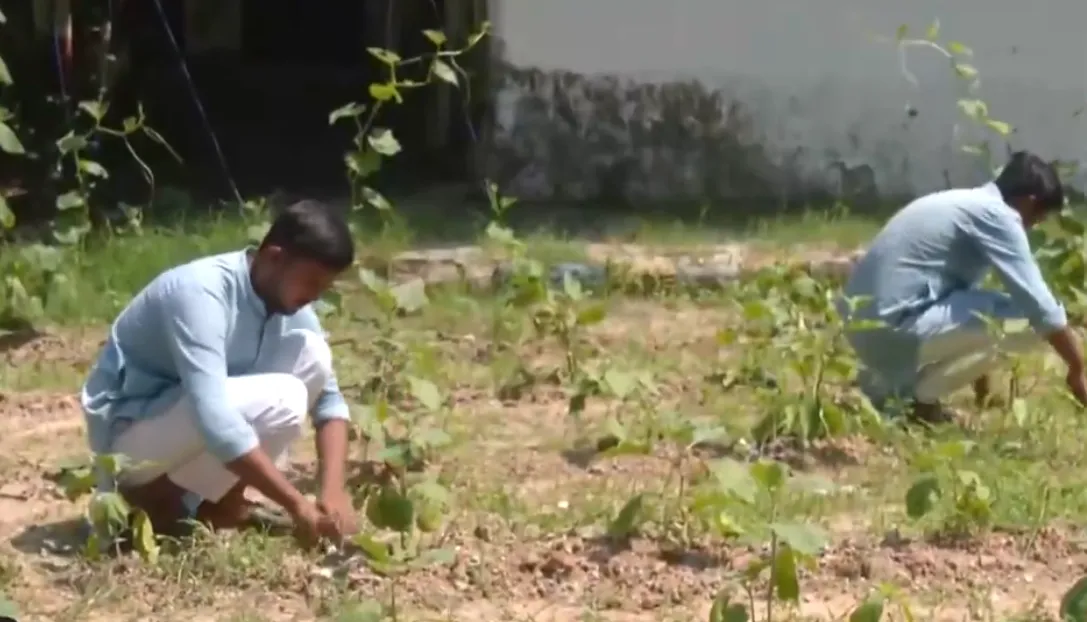
Gujarat Vidyapith in Ahmedabad is training students in natural farming to help them understand how crops can be grown using natural methods. Students receive practical lessons on preparing natural fertilisers, managing pests and growing vegetables on the campus.
The institute provides 20 hours of training every month, covering both classroom learning and practical work. The initiative aims to familiarise students with farming methods that reduce dependence on chemical fertilisers and support soil health.
Students Learn To Prepare Natural Fertilisers
As part of the training, students learn to prepare natural farming inputs such as Beejamrit, Jeevamrit and Ghan Jeevamrit. These are used in natural farming to support seed treatment and provide nourishment to crops.
Students also learn how to prepare these inputs using cow dung and other natural materials. They get the opportunity to apply what they learn by growing vegetables on the university campus.
The programme also introduces students to natural methods of managing crop pests. According to assistant professor Shailesh Chaudhary, students prepare the farming inputs themselves. If pests or diseases affect crops, traditional formulations such as Agniastra and Neemastra are used for pest control.
Natural Farming Included In BRS Curriculum
Gujarat Vidyapith Vice-Chancellor Harshad Patel said natural farming has been included in the Bachelor of Rural Studies (BRS) curriculum.
The university has arranged campus-based cultivation so students can gain practical experience alongside their theoretical lessons. The programme follows the principle of promoting health, prosperity and conservation of resources.
Through these activities, students learn about the possible benefits of reducing chemical inputs and adopting farming practices that focus on soil health and environmental conservation.
What Students Say About Natural Farming
Students have also highlighted the importance of applying their learning beyond the classroom.
Binesh Kothiwar, a student at Gujarat Vidyapith, said the training helped him understand how natural farming could benefit crop yields, soil quality, food and health. He added that students wanted to promote natural farming across Gujarat.
Another student, Janvi Jadav, said the programme helped her understand the importance of natural farming and how it can be practised.
The initiative combines academic learning with hands-on experience, giving students an opportunity to understand the methods involved in natural cultivation. It also aims to familiarise them with alternatives to conventional chemical-based farming as they prepare for future work in rural development and agriculture.

Sahil Behl is an education journalist at Jagran with over a year of experience in journalism. Prior to joining Jagran, he worked as a Sub-Editor in NDTV’s Education department, where he was responsible for writing and editing education-related content as well as managing the department’s social media presence. At Jagran, he covers a wide range of education topics, including board examinations, school updates, admissions, and job notifications, while leveraging his editorial expertise and strong understanding of digital content strategy. Sahil holds a Bachelor’s degree in Business Administration and has also completed an eight-month certification program in Data Science. Passionate about emerging technologies, particularly artificial intelligence, he closely tracks their growing role in journalism and explores how they are transforming shaping the future of the media industry.


