Why Do Phones Get Emergency Alerts During Natural Disasters? Explained
Ever wondered why your phone suddenly shows emergency alerts during storms, floods or earthquakes? Know how disaster warning systems and mobile alerts work.

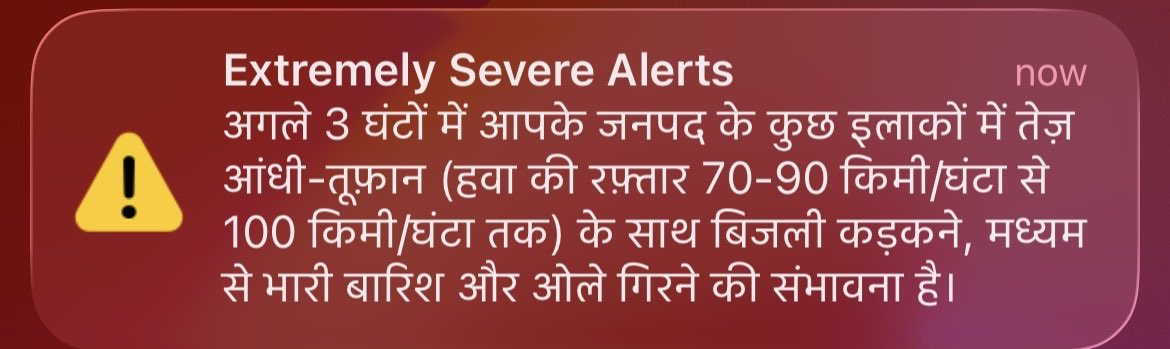
Ever got a loud alert on your phone during heavy rain, thunderstorms, floods, earthquakes or other emergencies? They are not the typical text messages or app alerts but are part of government-run emergency warning systems designed to quickly tell people about dangerous situations. In countries such as India, these alerts are sent through technologies such as the Cell Broadcast Alert System that enables authorities to send alerts to thousands or millions of mobile phones simultaneously in a particular area. The main goal is to provide information on time and to help people take safety measures before a disaster occurs.
Why Do Phones Receive Emergency Alerts During Natural Disasters?
Cell phones are one of the quickest ways to get a message out to a large number of people instantly. Communication systems can be affected during disasters such as cyclones, floods, earthquakes, landslides or extreme weather events. This makes quick warnings extremely important. The alerts are to help people know what the dangers might be, how to evacuate and what precautions to take. These alerts are designed to shorten reaction time and increase public safety during critical situations.
What Is a Cell Broadcast Alert System?
Cell Broadcast Alert System is a technology that allows authorities to send emergency messages to mobile phones in the vicinity of a telecom tower. Unlike regular SMS messages, which are sent one by one to mobile numbers, a cell broadcast sends the same alert to multiple devices at a specific location at once. This allows governments and disaster management agencies to rapidly alert people in a given area without needing to share personal information such as phone numbers.
How Do Emergency Alerts Reach Your Phone?
When authorities spot a potential threat like severe weather or flooding or another emergency, they send out an alert that includes critical safety information. The message is sent over the emergency communication network to telecom operators and the warning is sent to phones in the affected region by mobile towers. Smartphones that are compatible will get the alert right away with a loud sound or vibration so that users see the message even if they aren’t using their phones.
Do Emergency Alerts Need Internet or Mobile Data?
Mobile data or an internet connection are not generally used for emergency alerts. This is enabled through telecom towers and mobile networks, using cell broadcast technology. This is particularly true in disasters where power outages, network congestion or damage to communication infrastructure can render internet services slow or unavailable. Users get important alerts right on their devices, without needing to open an app or go online.
Why Are Emergency Alerts So Loud?
Emergency alerts are loud and vibrate so you hear them right away. People may not check for regular notifications in disasters, but a strong alert tone might mean more likelihood of the warning being seen. It is not intended to be annoying to users, but rather to help ensure important safety information is disseminated quickly when there is a potential threat to life or property.
What Type of Emergencies Can Trigger Phone Alerts?
You can be sent emergency alerts for a variety of situations including severe thunderstorms, floods, cyclones, earthquakes, tsunamis, extreme weather, bushfires and other public safety emergencies. Warnings tell us about possible dangers and allow us to prepare, evacuate to safe areas or follow directions given by authorities.
Why Do Governments Test Emergency Alert Systems?
Governments test emergency alerts to determine if the warning system is working correctly on different networks and devices. Testing helps authorities identify any technical problems, fine-tune coverage and ensure alerts can reach people in the event of real emergencies. It also helps citizens to understand the system, so that they know that a future alert may demand immediate attention.
How Is Cell Broadcast Different From Normal SMS?
The simplest kind of SMS is sent from one sender to one receiver and can be slow when millions of messages need to be delivered. Cell broadcast technology, meanwhile, is different in that it sends one message to many phones at once, in a defined geographic area. This allows for faster, more reliable and better handling of large-scale emergency warnings where every second matters.
Are Emergency Alerts Available on All Phones?
Many newer smartphones, including many Android and iOS phones, support emergency alert systems. But whether you get an alert depends on your phone being compatible, and having network, location and device settings that work. Older devices might not support certain emergency warning features, however most newer smartphones can receive these alerts.
Interesting Facts About Emergency Alerts
Emergency Alerts Can Save Lives
Early warning systems give people valuable time to prepare for disasters, to move to safety, to protect their belongings or to follow emergency instructions. A few minutes' notice can make a big difference for events such as storms, floods and earthquakes.
Emergency Alerts Work Without Apps
One of the benefits of emergency alerts is that people often don't need to download a separate app to get them. Such alerts are sent directly over mobile networks and are therefore available to a wider population.
Alerts Can Be Location-Based
Emergency warning systems can target specific areas affected by a disaster instead of broadcasting alerts to an entire country. This helps provide real information to people who are truly at risk.
Mobile Phones Have Become Safety Tools
Smartphones are no longer just communication devices, they have become essential emergency devices. Features like alerts, location sharing, GPS and emergency calling could help those in dangerous situations.

Jasreet Kaur is a journalist with over 3 years of experience in digital media and news content creation. She specializes in covering Trending News, including major National and International developments, with a focus on delivering accurate, engaging, and reader-friendly stories. Prior to this, she worked with Zee News as a Content Writer, where she gained extensive experience in news reporting and content strategy. Driven by curiosity, credibility, and a passion for impactful journalism, Jasreet aims to contribute to informed public discourse while supporting positive growth in organizations, society, and the world.


