Which Is The Only Planet That Can Float On Water?
Do you know there is a giant planet that can float on water? Even though it is the second-largest planet in our solar system, its gas-based composition gives it a very low density. Let’s explore the mystery of this ringed wonder.
Show Key Points
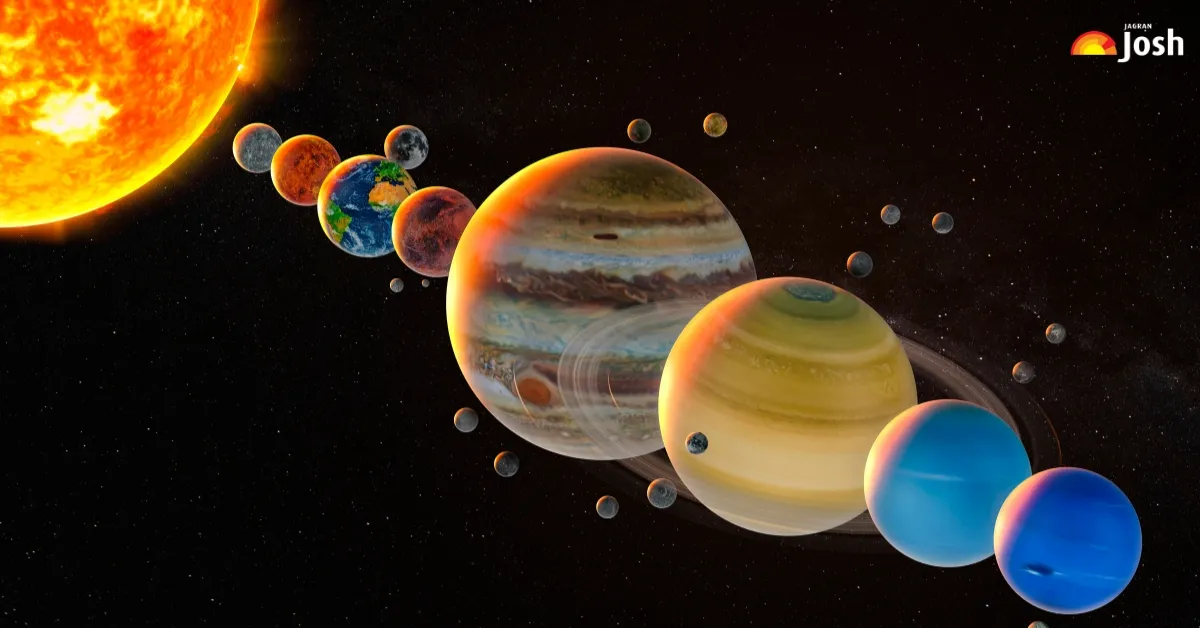
Our solar system is a large and active space. It contains eight distinct planets that orbit the Sun. These planets fall into two main categories. The four inner planets, including Earth, consist of solid rock and metal.
The four outer planets are much larger and are mostly made of gas and ice. Since they are so different, many of these planets have fun nicknames. For example, Mars is often called the "Red Planet". Neptune is known as the "Blue Giant".
But did you know there is one planet that is so light it could actually float on water? Even though it is huge, it is mostly made of hydrogen and helium gas.
This makes it less dense than a giant bowl of water. In this article, we will explore this amazing world, how it formed, and why it is so special.
Which Planet Can Float On Water?
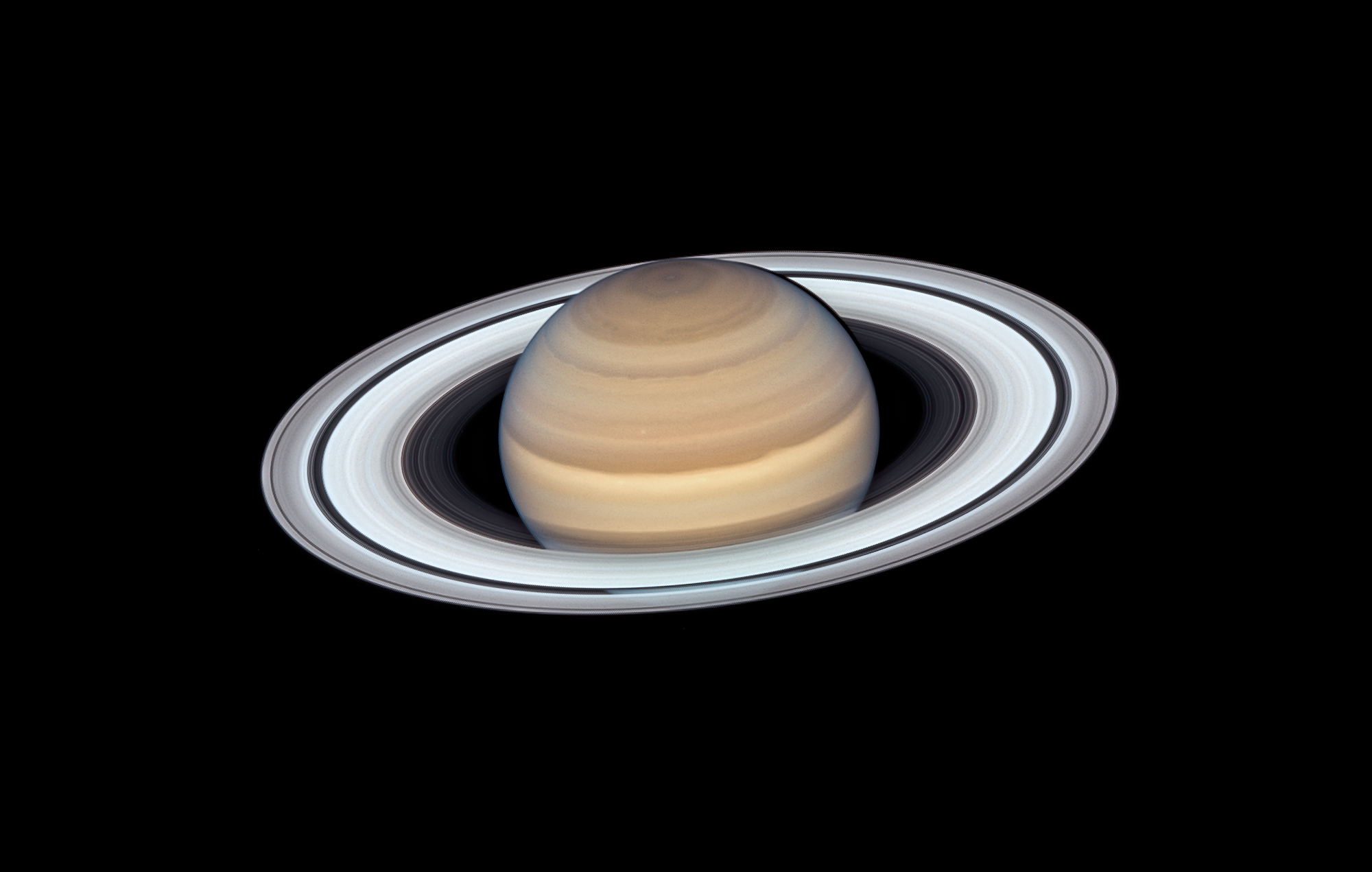
The planet that can float on water is Saturn. It is the sixth planet from the Sun and the second-largest in our solar system. Despite its size, Saturn has the lowest density of all the planets.
Its average density is only about 0.687 grams per cubic centimetre, which is less than the density of water at 1.0 g/cm³.
This means that if you could find a bathtub big enough to hold it, Saturn would float on the surface like a giant cork.
Saturn is a gas giant, which means it lacks a solid surface like Earth. It is made mostly of hydrogen and helium.
Its environment is extremely harsh, with strong winds reaching 1,100 miles per hour and freezing temperatures at its cloud tops of about -180°C.
As of 2026, Saturn is officially the "Moon King" of our solar system, with a remarkable 274 confirmed moons. This includes the large, orange-hazed moon Titan.
10+ Lesser-Known Facts About Saturn
- High pressure in the atmosphere can turn methane into soot, which hardens into graphite and then diamonds as it falls toward the core.
- A permanent, six-sided storm larger than two Earths exists at Saturn’s north pole.
- Saturn is slowly "eating" its rings; they are falling into the planet as "ring rain" and could be gone in 100 million years.
- A day on Saturn is very short, lasting only about 10 hours and 14 minutes.
- Because it spins so fast, the planet bulges at the middle and is noticeably flattened at the poles.
- Saturn's moon Titan is the only other place in the solar system known to have liquid lakes and rivers (though they are made of methane, not water).
- Every 15 years, the rings appear "edge-on" from Earth and seem to vanish completely.
- The planet is named after the Roman god of agriculture, and the day Saturday is named in its honour.
- Saturn generates more heat internally than it receives from the Sun.
- The moon Mimas has a giant crater. This crater makes it look just like the "Death Star" from Star Wars.
- The Cassini spacecraft explored Saturn for 13 years before intentionally crashing into the planet in 2017 to protect its moons.
IN CASE YOU'RE INTERESTED| Which Is the Largest Planet in the Solar System?
Conclusion: Why can Saturn float on Water?
Source: Space
In conclusion, Saturn can float on water because of its special physical composition. In physics, an object floats if its density is lower than that of the liquid around it.
Earth is made of heavy rock and metal, while Saturn is mostly hydrogen and helium, which are the two lightest elements. Since these gases occupy a large volume, Saturn's overall density is lower than that of liquid water.
As a result, even though it is huge, Saturn is light enough to remain buoyant. It continues to be one of the most interesting wonders of our solar system.
WHAT'S NEXT| Which Planet Is Called the Swift Planet?

Kriti Barua is a skilled content writer with 4+ years of experience in creating clear, engaging, and informative content. She began her writing journey as a Creative Writer Intern at Wordloom Ventures. She holds a BA degree from Delhi University and has completed a one-year diploma in TV Production and Journalism, which adds depth to her research and reporting style.
Kriti has worked across brand writing, marketing content, and digital media, building strong expertise in articles that connect with readers and perform well online. At Jagran New Media, she writes for the GK section, covering national news, international stories, and query-based articles that answer what people actively search for. Her work focuses on easy language, reliable information, strong keywords, and reader-friendly storytelling, making her content both helpful and search-friendly.


