Which is the Oldest Pyramid in the World?
The Djoser Pyramid, built for Pharaoh Djoser in 2630 BC at Saqqara, is the world's oldest pyramid and a landmark in architecture. Designed by Imhotep, it marked the shift to monumental stone construction for tombs and symbolizes early human innovation.
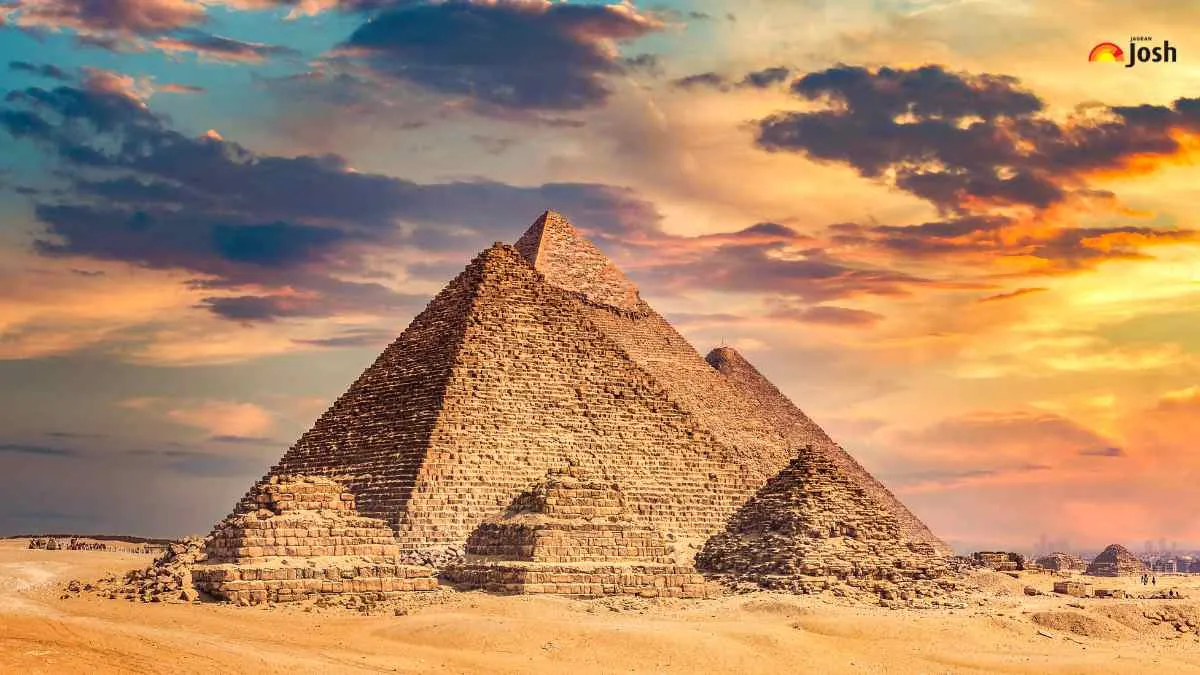
The pyramids are among the most wonderful structures from antiquity and are a reflection of the human ingenuity and creativity, as well as planning capabilities, of some of our earliest societies. The pyramids of the world were built by many ancient cultures for a multitude of purposes as a place of religious worship, a site for the burial of important figures, and importantly, as an expression of their power through their ability to build massive structures.
Even though the pyramids were built before modern construction techniques and material, they have still managed to endure for thousands of years as a result of their construction processes. The various designs and methods used to construct them continue to captivate researchers in the fields of history and archaeology and the impacts these buildings had on all aspects of life of the ancient civilizations that built them, including their lifestyles, their belief systems and their understanding of architectural design.
The study of the pyramids allows for the study of both the ancient civilizations, and how they lived; what they believed, and the sophistication of the architectural knowledge they used to build these great feats of engineering.
Check Out: Which is the Hottest Desert in the World?
Which is the Oldest Pyramid in the World?

The Djoser Pyramid represents a landmark moment in architecture as the Djoser pyramid is also the oldest pyramid today, it is considered to be one of the most important monuments in all of Egyptian history. Located at Saqqara and built by Pharaoh Djoser in 2630 BC, this monumental pyramid served as a tomb for Pharaoh Djoser and marked the beginning of monumental stone buildings in Egypt. Prior to its construction, all burial monuments in ancient Egypt were built from mud bricks.
With its stepped, rather than flat sides, the Djoser Pyramid was an architectural inspiration for building flattened, smooth-sided pyramids. The construction of the Djoser Pyramid demonstrates the Egyptians' incredible capabilities for engineering and their strong faith in life after death. Therefore, the Djoser Pyramid remains a symbol of early human creativity and innovation.
Interesting Facts About Djoser Pyramid
- The pyramid of Djoser is the first large stone pyramid constructed. It was intended as Djoser's burial location, replacing the preceding mudbrick Mastaba style tombs.
- The use of stone to construct monumental structures marked a turning point in the development of Ancient Egyptian architecture and served as a foundation upon which subsequent Pharaohs would build their own pyramids.
- Imhotep, core architect, physician and adviser to Pharaoh Djoser, designed the pyramid. He is listed among the first known engineers in history. The design and development of this stepped structure as Djoser's tomb were pivotal; they not only served to spark future pyramid development but also inspired all those that constructed pyramids in Ancient Egypt and elsewhere.
- The pyramid of Pharaoh Djoser serves as a monument to his life and as the final resting place for the pharaoh. In ancient Egyptian belief, there is an afterlife.
- Therefore, they believed that after death, if they embalmed their bodies and built extravagant tombs, it would enable them to achieve eternal life. Consequently, a large number of sacred objects were buried in the pyramid with Djoser so he would receive help in the afterlife.

Ayukta Zisha is certified in Digital Marketing from IIT Delhi, known for creating engaging, reader-friendly explainers and International News. Ayukta also crafts interactive puzzles and personality tests that attract high reader engagement. With a sharp research approach and a creative style, she consistently delivers informative and entertaining content for Jagran Josh's diverse audience.


