Key Points
- Siachen is India's largest glacier, over 76 km long in the Himalayas.
- Due to climate change, the glacier has receded 800 meters in 20 years.
- First Indian expedition reached it in 1978, led by Col. Narendra 'Bull' Kumar.
Glaciers are huge, slow-moving rivers of ice. They take hundreds of years to form as layers of snow get pressed into thick ice.
Some glaciers have ice that is almost a million years old. The largest glacier in the world right now is the Lambert-Fisher Glacier in Antarctica.
More recently, scientists have reported some concerning news. Himalayan glaciers are melting faster than they used to because temperatures are rising. This melting creates new lakes and can sometimes cause floods.
Do you know which glacier is the largest in India? In this article, we will explore its history, size, and some interesting facts about this "Giant of the North".
ALSO READ| Which Is the Largest Glacier in the World?
Which is the largest glacier in India?
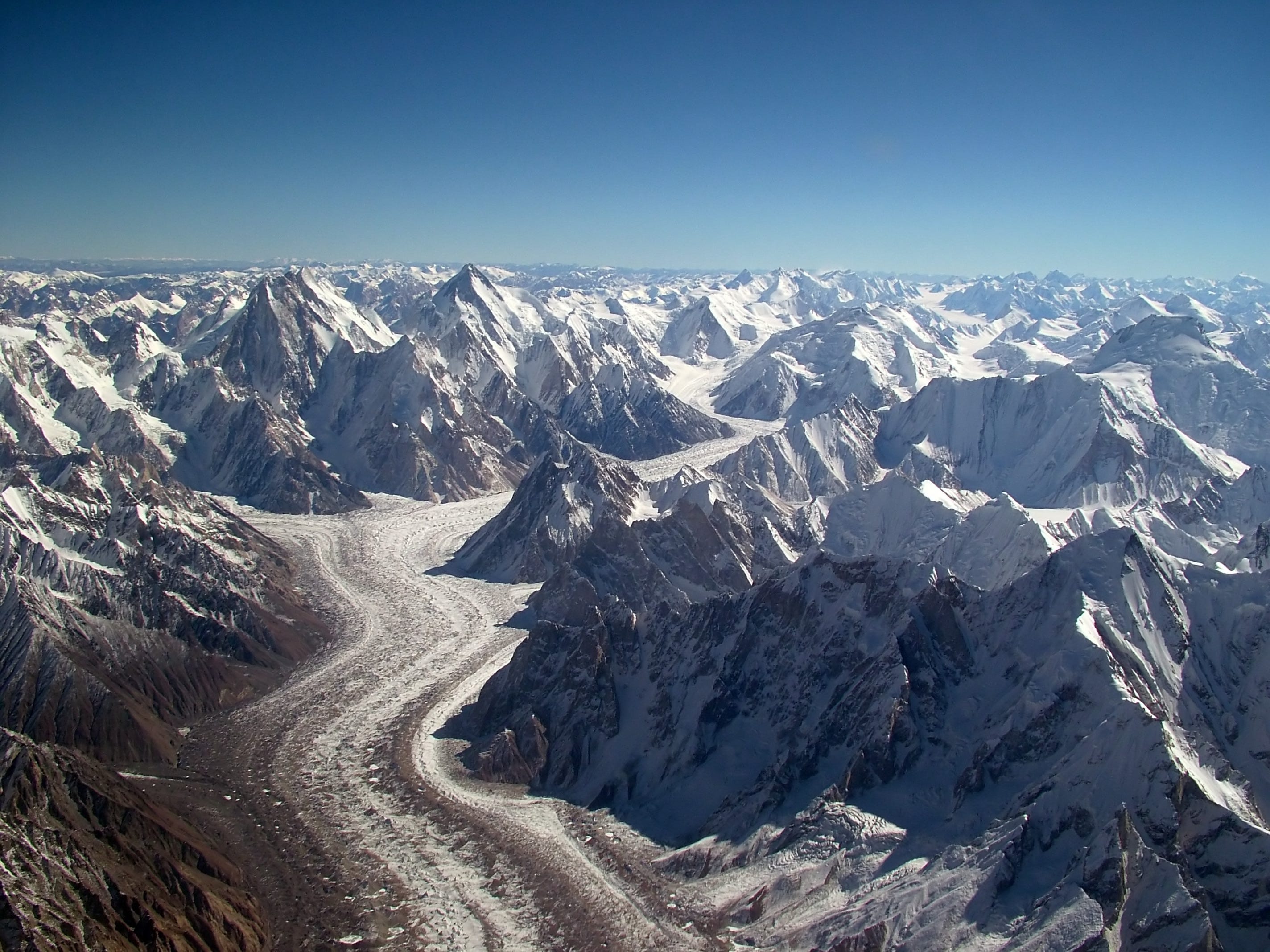
Source: Medium
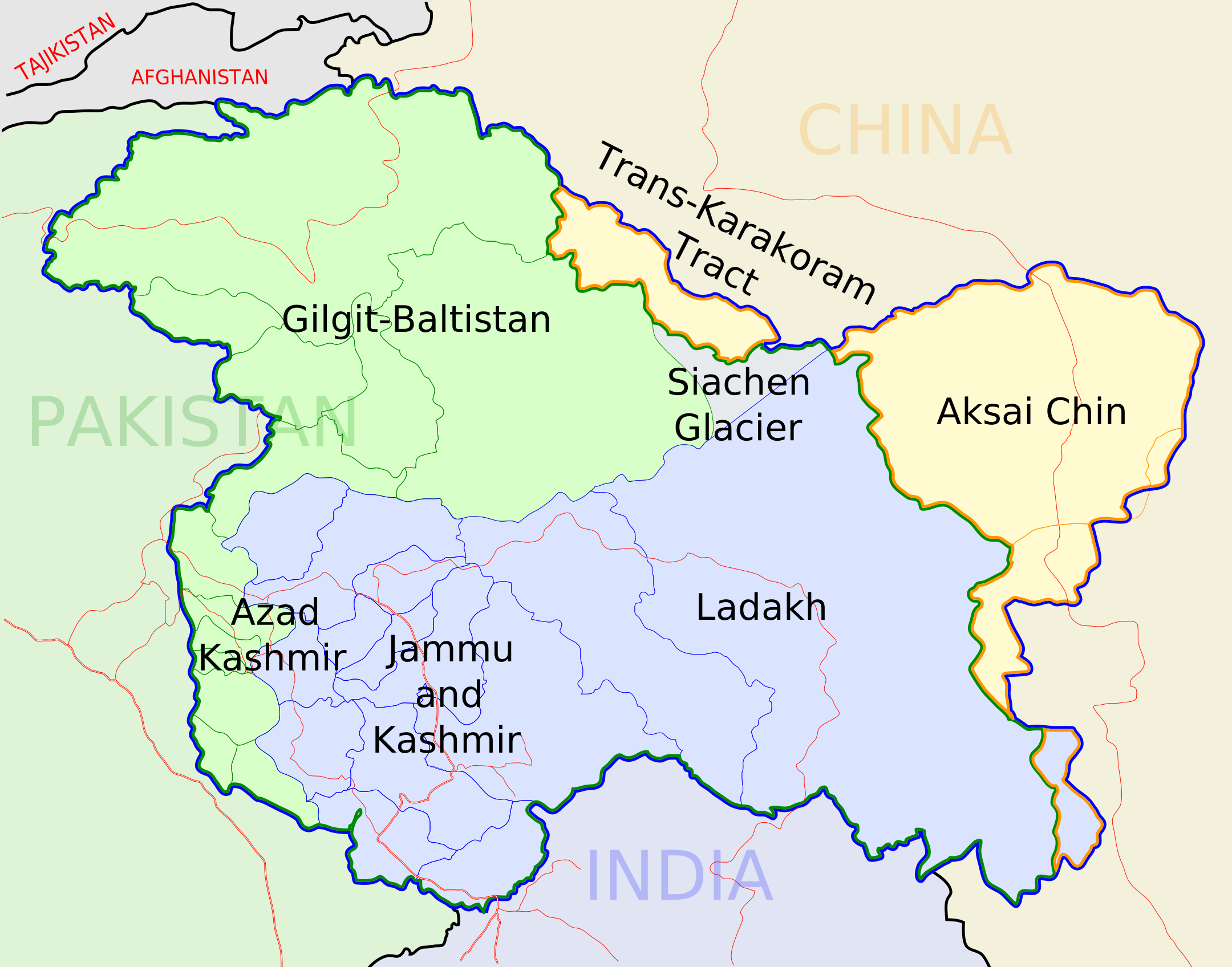
The Siachen Glacier is a vast glacier in the eastern Karakoram Range of the Himalayas. It is more than 76 kilometres long, making it the largest glacier in India and the second-longest outside the polar regions.
Siachen is known for its large surface area and the huge amount of ice in its high mountain valley. Besides its size, it is an important source of freshwater, feeding the Nubra River, which later joins the Indus.
People often call Siachen the "Third Pole" or the "Land of Wild Roses." It sits at an average height of 5,400 meters. Even with its freezing temperatures, Siachen is both a place of great strategic value and a natural wonder.
10+ Surprising Facts About the Giant of the North
- It is famously known as the highest active battlefield on the planet, where soldiers serve at altitudes above 20,000 feet.
- In the local Balti language, "Sia" means "Rose" and "Chen" means "Abundance." It literally translates to "Place of Many Roses."
- Due to climate change, the glacier has receded by nearly 800 meters in the last twenty years.
- In winter, temperatures can plummet to a bone-chilling -50°C, making survival a daily challenge.
- The glacier is bounded by the massive Saltoro Ridge to the west and the main Karakoram Range to the east.
- It is the main source of the Nubra River, a lifeline for people living in the Ladakh region.
- The Indian Army operates the world's highest helipad here, known as Point Sonam.
- While the glacier was known for a long time, the first major Indian expedition reached it in 1978, led by Colonel Narendra 'Bull' Kumar.
- Despite the ice, rare wildlife like the Snow Leopard and Tibetan Gazelle can occasionally be spotted in the surrounding valleys.
- It moves at several centimetres per day, which is why trekking there is extremely dangerous because of hidden crevasses.
- It is so large that it is clearly visible from space, appearing as a long, white scar across the dark Karakoram peaks.
IN CASE YOU MISSED| Which Glacier Is Called the Crown of the Himalayas?
Why is the Siachen Glacier called a "Cryogenic Time Bomb"?
Although the Siachen Glacier is a significant natural wonder, scientists have expressed serious concerns regarding its future.
The Fast Melting Problem
- The Siachen Glacier is experiencing rapid melting. In certain regions, it has receded by approximately 800 to 1,000 meters over the past few decades.
- Global temperatures are increasing, and the high-altitude Karakoram range is experiencing even more rapid warming.
- The presence of thousands of people, heavy machinery, and frequent helicopter flights generates anthropogenic heat, accelerating the glacier's melting.
Why this matters for the future
If the glacier continues to melt at its current accelerated rate, several significant hazards may result.
- Flash Floods: Rapid melting creates large, unstable lakes atop the ice. If these lakes burst, they cause "Glacial Lake Outburst Floods" (GLOFs) that can destroy villages downstream.
- Significant glacier shrinkage would reduce river flow during dry summer months, potentially leading to water scarcity.
- Melting ice destabilises slopes, increasing the frequency and severity of avalanches.
How Does Siachen Glacier Support the Livelihood of People?
The Siachen Glacier is not just a battlefield. It also serves as a huge "water tank" for the whole region.
The Life Cycle of Glacial Water
- The glacier works like a natural reservoir. It stores water as ice and lets it out slowly over time.
- It all begins when melting ice from Siachen forms the Nubra River.
- Next, the Nubra River flows down and joins the Shyok River.
- Finally, the Shyok River empties into the Indus River. The Indus is vital for farming and drinking water in both India and Pakistan.
Why is it nicknamed the "Third Pole"
- The Himalayan-Karakoram region holds more fresh water than anywhere else on Earth except the North and South Poles.
- Because it is so big, the glacier helps control the temperature and weather in the mountains nearby.
- The glacier and its ecosystem provide water and shelter for rare animals such as the Snow Leopard and the Himalayan Ibex.
Did you know?
If glaciers like Siachen did not provide a steady flow of water, the Indus Valley, one of the world's oldest centres of civilisation, would struggle to survive.
WHAT'S NEXT| Difference between Glacier and Iceberg




Comments
All Comments (0)
Join the conversation