Key Points
- RBI's Repo Rate remains unchanged at 5.25% to boost borrowing.
- The first MPC meeting of 2026 projects FY 2025-2026 inflation at 2.1%.
- Reverse Repo Rate is at 3.35%, used to manage market liquidity.
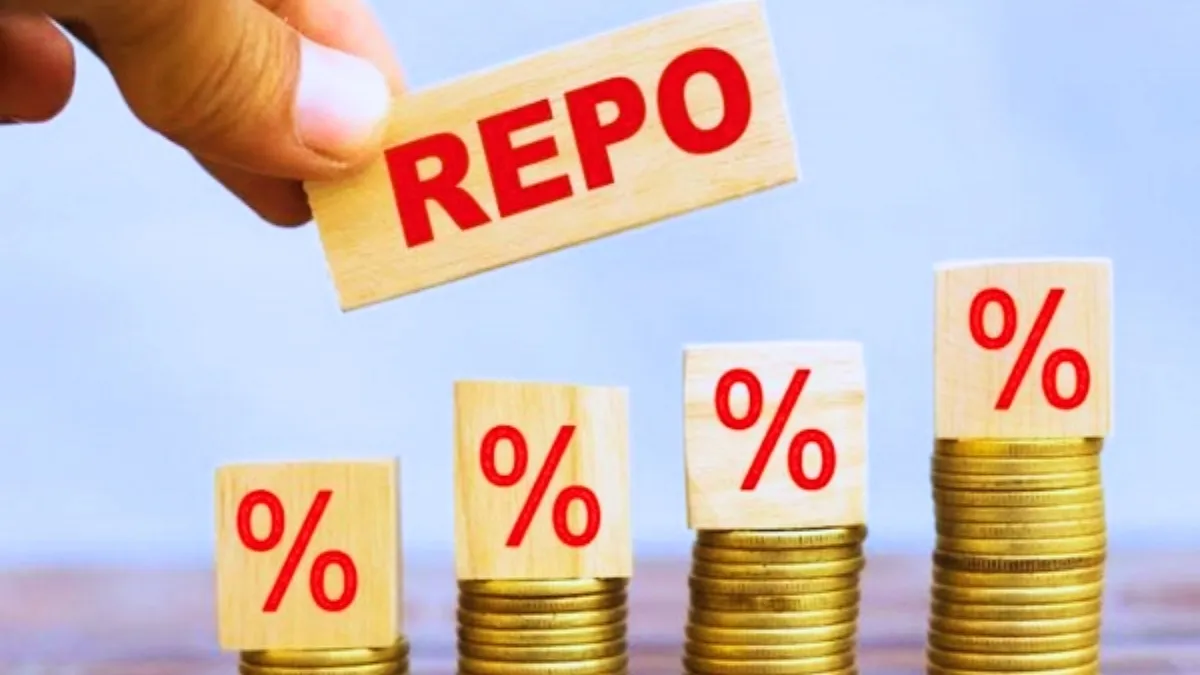
Reserve Bank of India (RBI) announced the Central Bank Repo Rate remains unchanged at 5.25% to boost borrowing and real estate. Its first Monetary Policy Committee(MPC) meeting of 2026, also mentioned the current inflation for FY 2025-2026 is at a rate of 2.1%.
RBI keeps Repo rate unchanged at 5.25% #RBI #RBIMPC #RBIPolicy #RepoRate #MonetaryPolicy @FinMinIndia @RBI pic.twitter.com/hnNSOEFE8e
— All India Radio News (@airnewsalerts) February 6, 2026
What is Repo Rate?
Repo is the interest rate at which the Reserve Bank India lends short-term funds to commercial banks against government securities. It serves as a primary tool for the RBI to regulate liquidity, control inflation and influence all economic activities.
RBI adjusts the Repo Rate to encourage banks to borrow more by lowering the interest rate or discourage borrowing by increasing the interest rate thus influencing the money supply in the economy.
RBI Current Policy Rate
| Policy Rate | Rate (%) |
| Repo Rate | 5.25% |
| Reverse Repo Rate | 3.35% |
| Standing Deposit Facility (SDF) | 5.00% |
| Bank Rate | 5.50% |
Also Read: Budget 2026: Check New Tax Slabs, Income Tax Rates and What is New Tax Act
What is Reverse Rate?
The Reverse Repo Rate is the interest rate at which the RBI (Central Bank) borrows money from commercial banks(surplus funds) when liquidity is high in the Market. It is the rate banks receive when they park their surplus funds with the central bank thus influencing the money supply by reducing the liquidity in the economy. So Currently, the Reverse Repo Rate stands at 3.35%. It is used to absorb excess liquidity from the banking system when RBI increases the reverse repo rate, banks are incentivized to deposit more money with the RBI rather than lending it to the public, which reduces the overall money supply.
What is Basis points Meaning?
In the Economy, Basis Points(bps) are a standard unit of measure for interest rates, other small changes in interest rates and percentages such as
-
1 Basis Point = 0.01% (1/100th of a percent).
-
100 Basis Points = 1%.
For example, if the RBI says they are cutting the Repo Rate by 25 basis points, it means the rate is decreasing by 0.25%. Using basis points eliminates ambiguity when discussing small changes in interest rates. BPS mostly used to express the changes in the interest rate on loans, savings bonds and other financial instruments ensuring clarity in the economy.
What are the Impacts of RBI Repo Rate Cut on the Economy?
When the RBI decides to cut the repo rate (as seen in the cumulative 125 bps reduction throughout 2024-2025), it triggers a chain reaction across various sectors:
-
Cheaper Loans: Commercial banks typically lower their lending rates, making Home Loans, Car Loans, and Personal Loans more affordable.
-
Reduced EMIs: Existing borrowers with floating-rate loans often see a reduction in their monthly installments (EMIs).
-
Boost to Real Estate& Infrastructure: Lower interest rates encourage homebuyers to take loans, significantly increasing demand in the housing market.
-
Corporate Growth: Lower borrowing costs allow businesses to expand, invest in new projects, and create more jobs, thereby stimulating GDP growth.
-
Impact on Savings: On the flip side, a repo rate cut often leads to a decrease in interest rates for Fixed Deposits (FDs) and savings accounts, meaning lower returns for savers.
Also Read: Budget 2026 Highlights: Summary, Key Points and Download PDF
Enter your Blink text here...



-1770295062729.png)
-1770294407051.png)
Comments
All Comments (0)
Join the conversation