Key Points
- Kangaroos can't walk backwards due to their tail and leg structure.
- Emus are built for forward speed, making backward movement difficult.
- 2026 census: Forward-only traits are a focus for biomechanics research.
Nature rarely makes mistakes, but it certainly has a sense of irony. While most creatures use retreats as a survival tactic, a select few are biologically programmed to never take a step back. Such is the irony of animals that cannot walk backwards.
Have you ever wondered why you never see a kangaroo backing into a parking space? Or why the emu always seems to be charging ahead?
This isn't just a quirky biological glitch. Evolutionary biology says that the way these animals are built serves a purpose, even if it makes it hard for them to move around.
For people who like to learn weird animal facts and trivia, learning about these forward-only animals is a great way to understand how evolution values speed and power over flexibility. Let's look at the animals that can't walk backward, from the huge Australian outback to the pages of biology books.
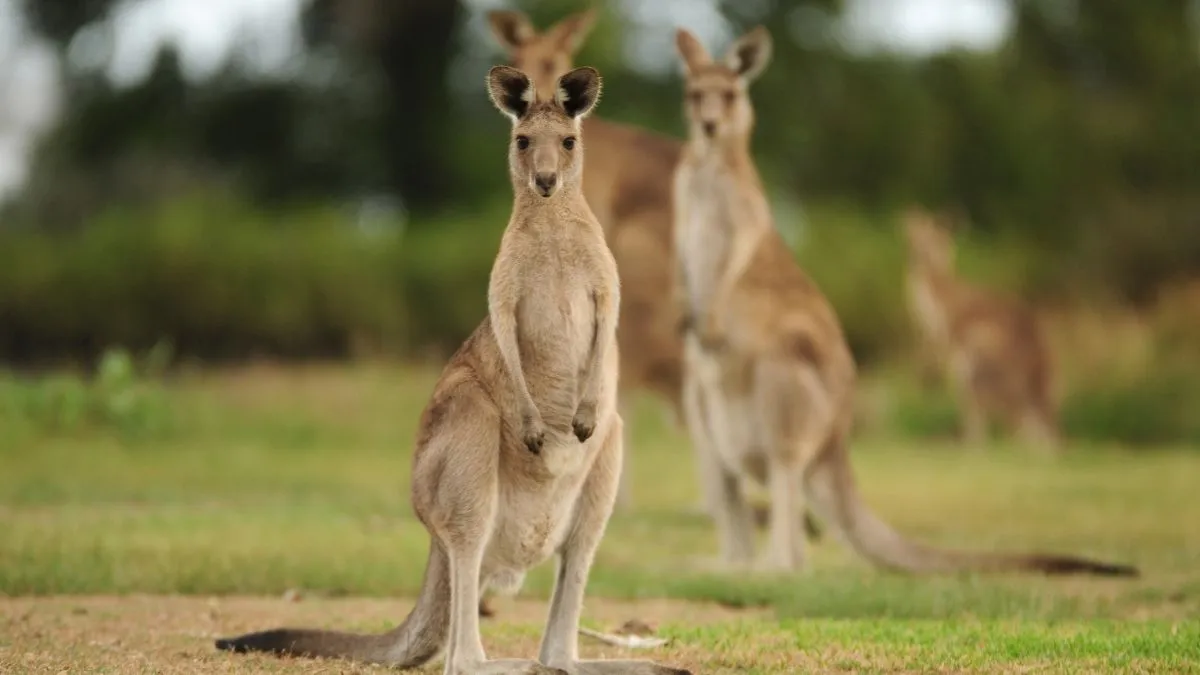
Can Kangaroos Walk Backwards?
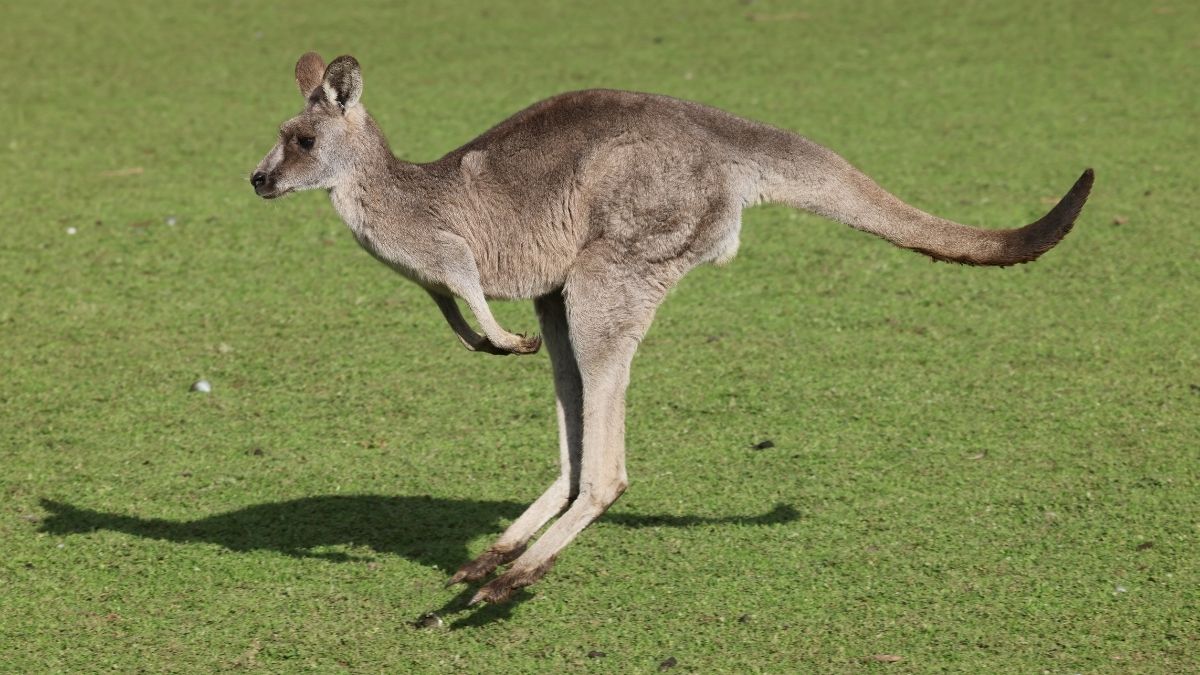
The short answer is no. Saltation is a fancy word for hopping, and it describes how kangaroos move. Research shows that their big, strong tails act like a third leg or a tripod when they move slowly.
However, their thick, long feet and the way their legs are anchored make it impossible to move each limb independently in a reverse motion. The tail provides balance for forward leaps, but becomes a physical brake if they try to go back.
Furthermore, their oversized Achilles tendons are designed like powerful springs to store energy for forward jumps, but they lack the flexibility for backward shuffling. If a kangaroo needs to go back, it simply turns its entire body around.
Check Out - What is a Group of Kangaroos Called?
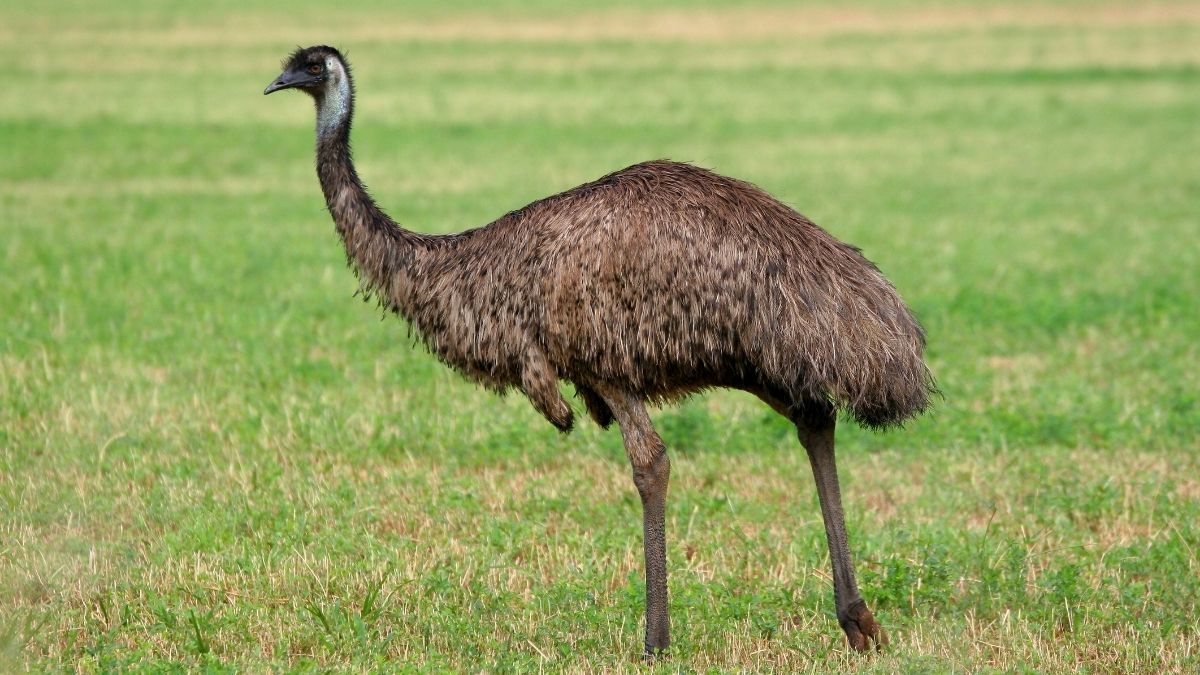
Can an Emu Walk Backwards?
Much like the kangaroo, the emu is biologically committed to the path ahead. Official wildlife data from the IUCN (International Union for Conservation of Nature) and Australian wildlife authorities suggest that while emus are world-class sprinters reaching up to 50 km/h, their knee joints and foot structure are not built for reverse propulsion.
"The emu and kangaroo are so built that they hardly fit into the heraldic atmosphere… but they were modified to appear more realistic, representing a nation moving forward." - Department of the Prime Minister and Cabinet.
The emu’s calf muscles, which are unique among birds, are designed for massive forward thrust. While some observers have noted emus taking an awkward, shuffling step back when startled, they cannot walk backwards in any functional or sustained way.
Also Read - List of 7 Birds that Lay Eggs in Other Nests (And Why?)
List of Other Animals that Struggle to Move Back
While most animals can walk backwards to some degree, several species face significant mechanical challenges. Below is a list of animals that find it nearly impossible or highly difficult to move in reverse based on scientific and government reports.
| Animal | Reason for Limited Backward Movement |
| Red Kangaroo | Heavy, rigid tail and synchronized hind-leg motion (Saltation). |
| Emu | Knee joint structure and specialized forward-thrust calf muscles. |
| Tree Kangaroo | Can reverse down trees, but struggles with backward walking on flat ground. |
| Alligators | Can move back in water, but their heavy tails make land-reversing nearly impossible. |
Also Read - What is the Scientific Name of Goat?
Biological limitations are often just specialized adaptations. The inability to walk backwards has allowed the kangaroo and emu to become the most efficient long-distance travelers in the harsh Australian outback.As of the 2026 wildlife census, these forward-only traits continue to be a primary focus for researchers studying biomechanics and robotic engineering.




-1769603352971.jpg)
Comments
All Comments (0)
Join the conversation